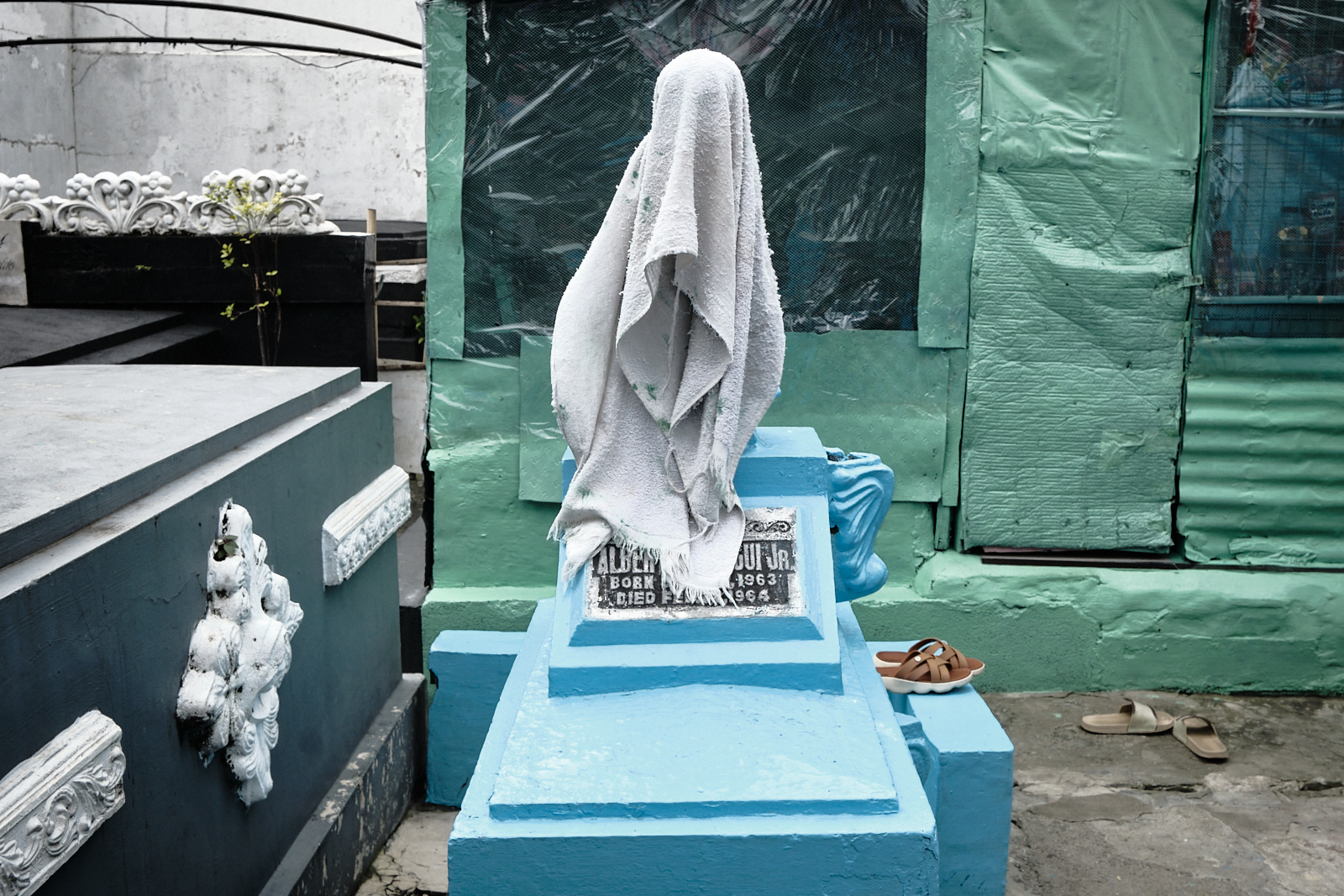
In the mid-1980s the EDSA revolution came to an end. The long years of military rule and corrupt dictatorship were over. After the revolution, many farmers left rural regions that had once been tightly regulated and migrated to large cities such as Manila in search of better opportunities. Without the resources to buy or build housing, many had little choice but to settle in informal slums throughout the rapidly expanding city. As migration increased, some people began occupying public spaces, including cemeteries.
In recent years, foreign investment and growth in the manufacturing sector have pushed the Philippine economy forward. Manila’s population has expanded rapidly and the metropolitan area now hosts more than 20 million residents. Yet, as in many fast-growing developing economies, the benefits of this growth remain unevenly distributed, leaving large segments of the population behind.
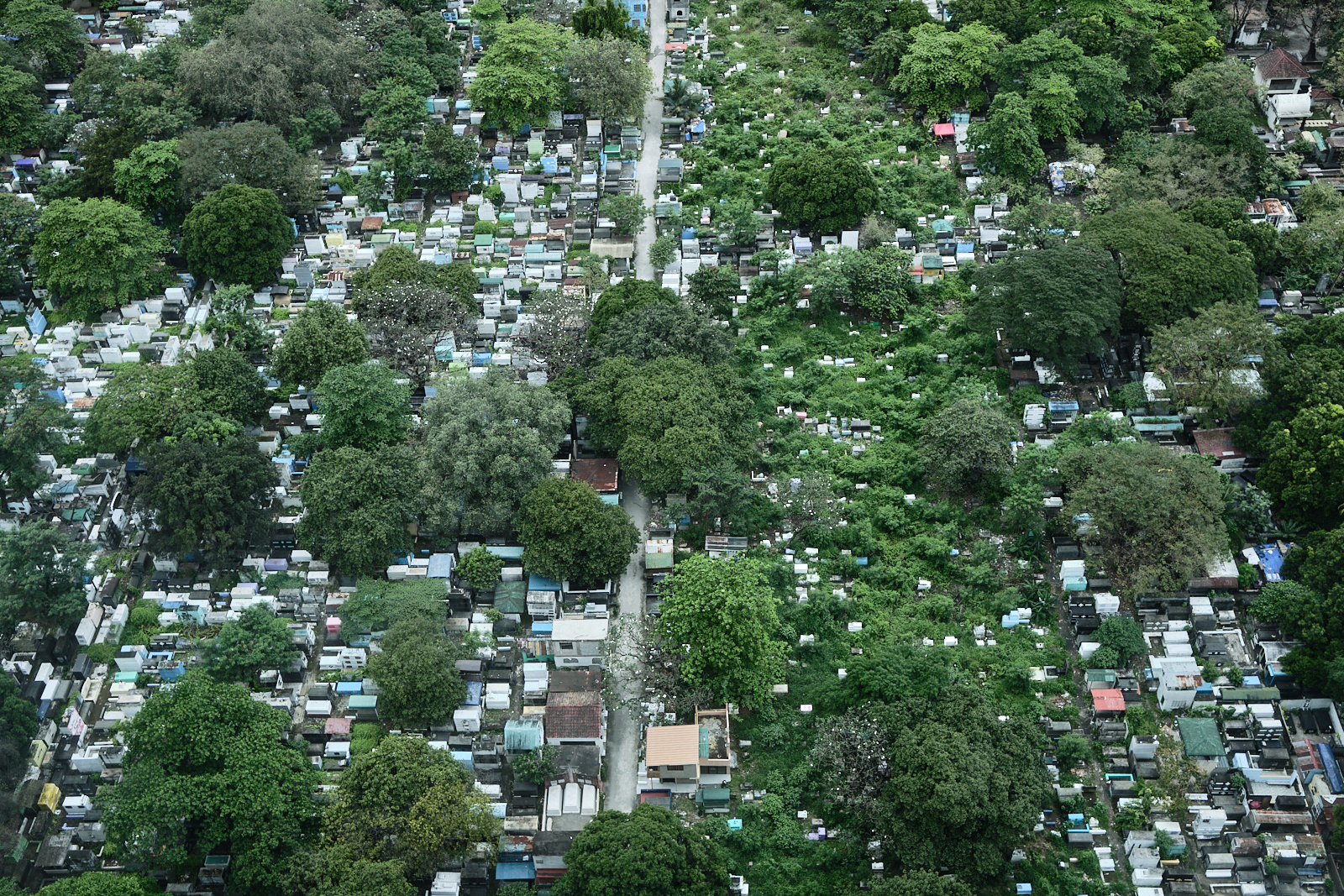
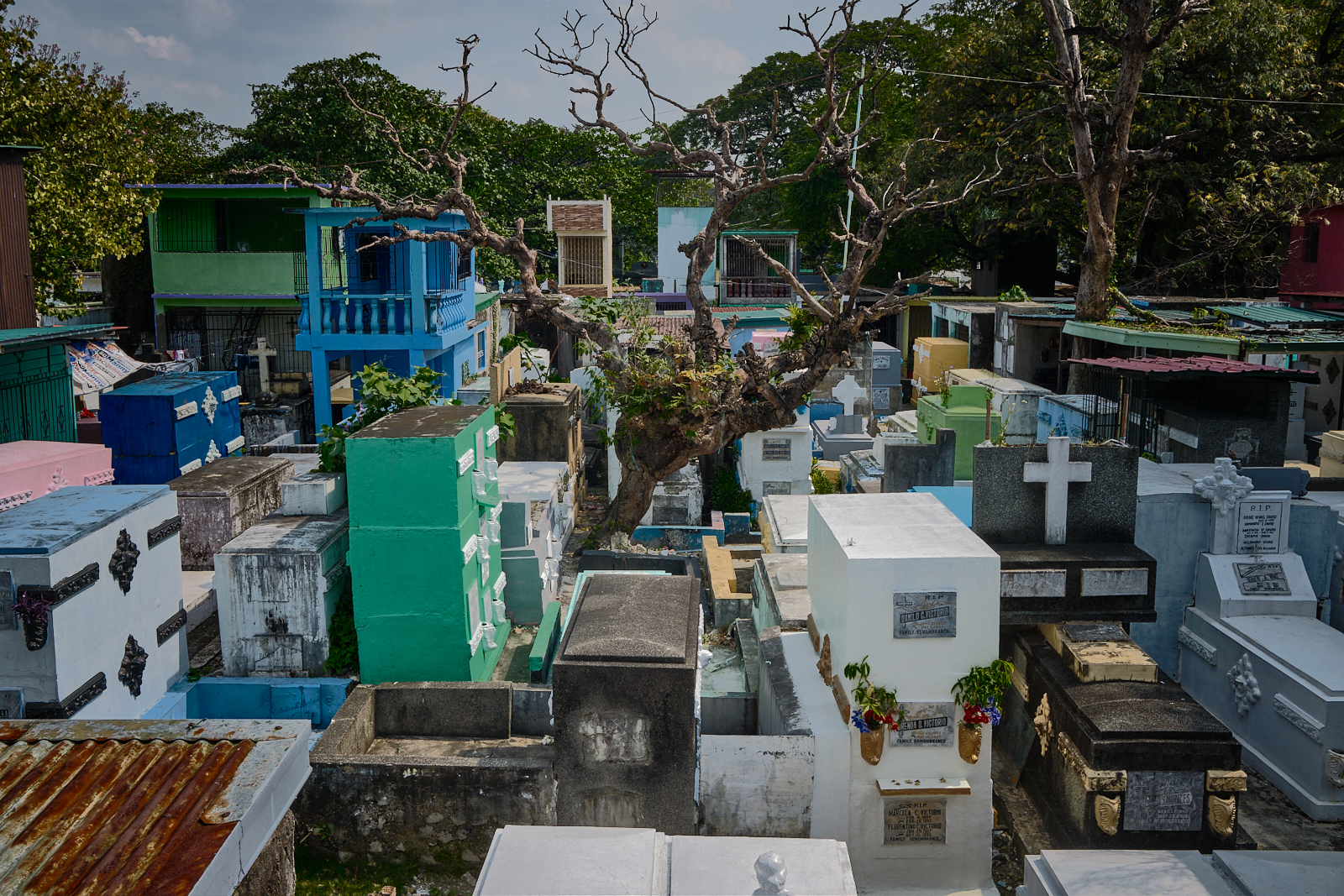
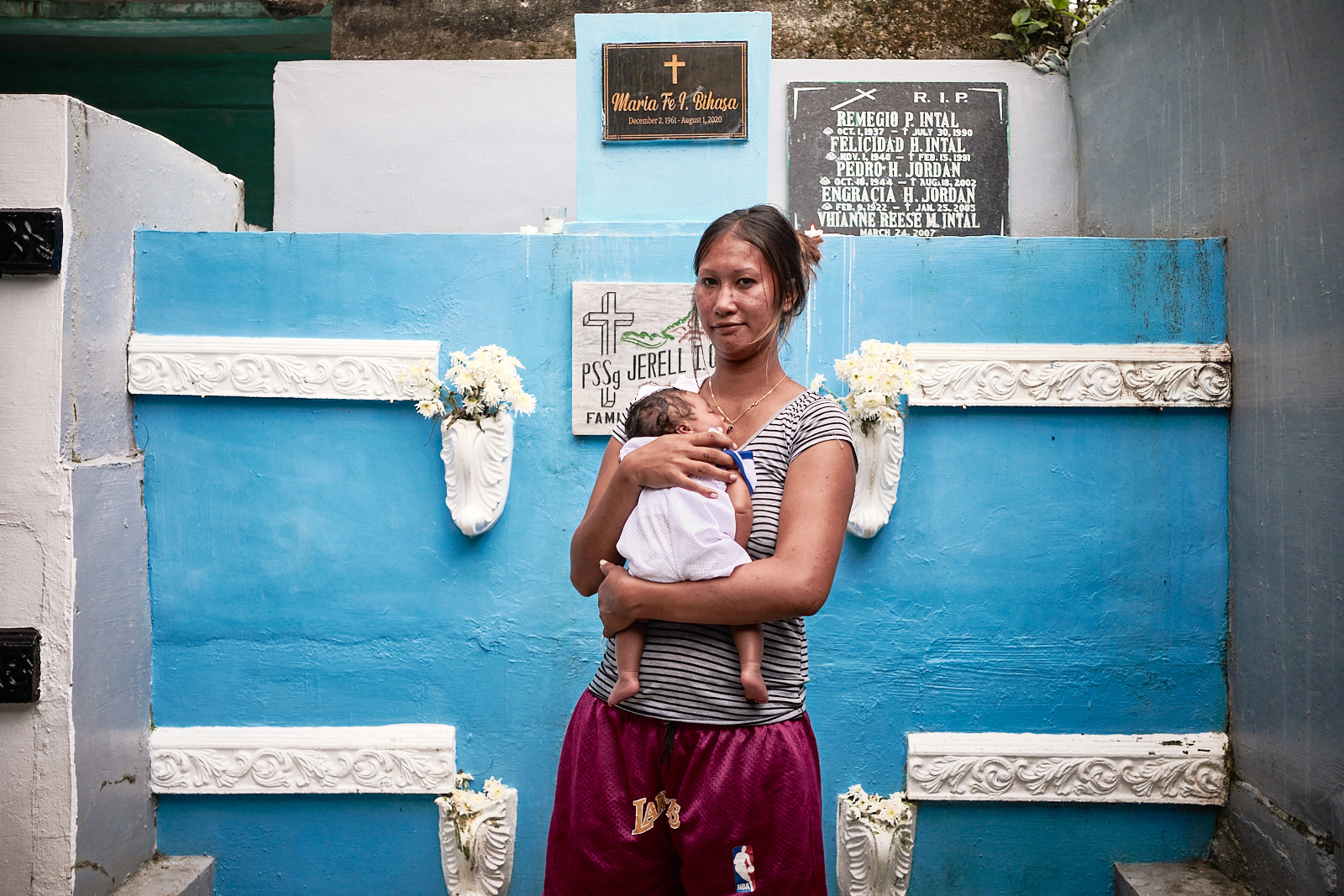
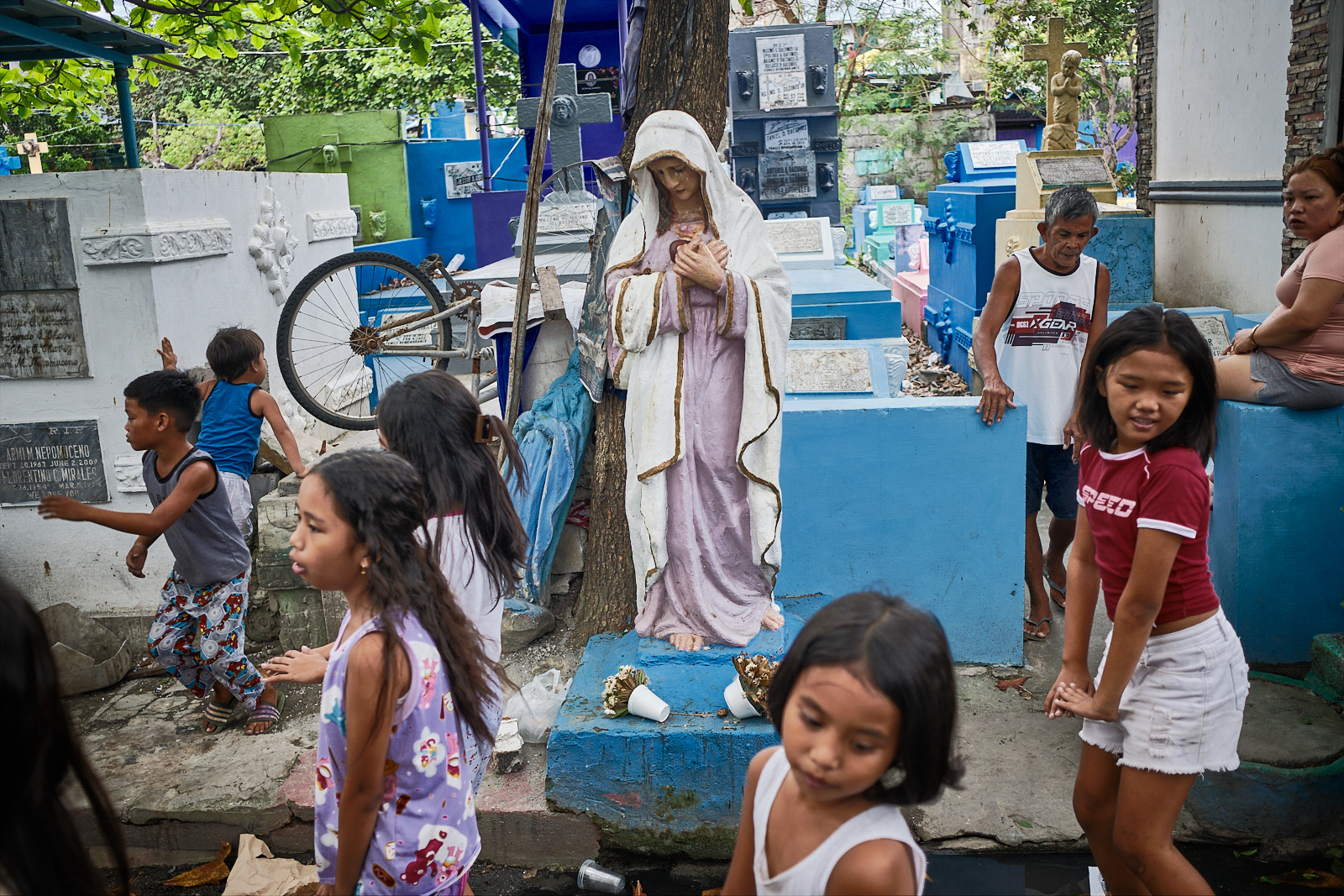
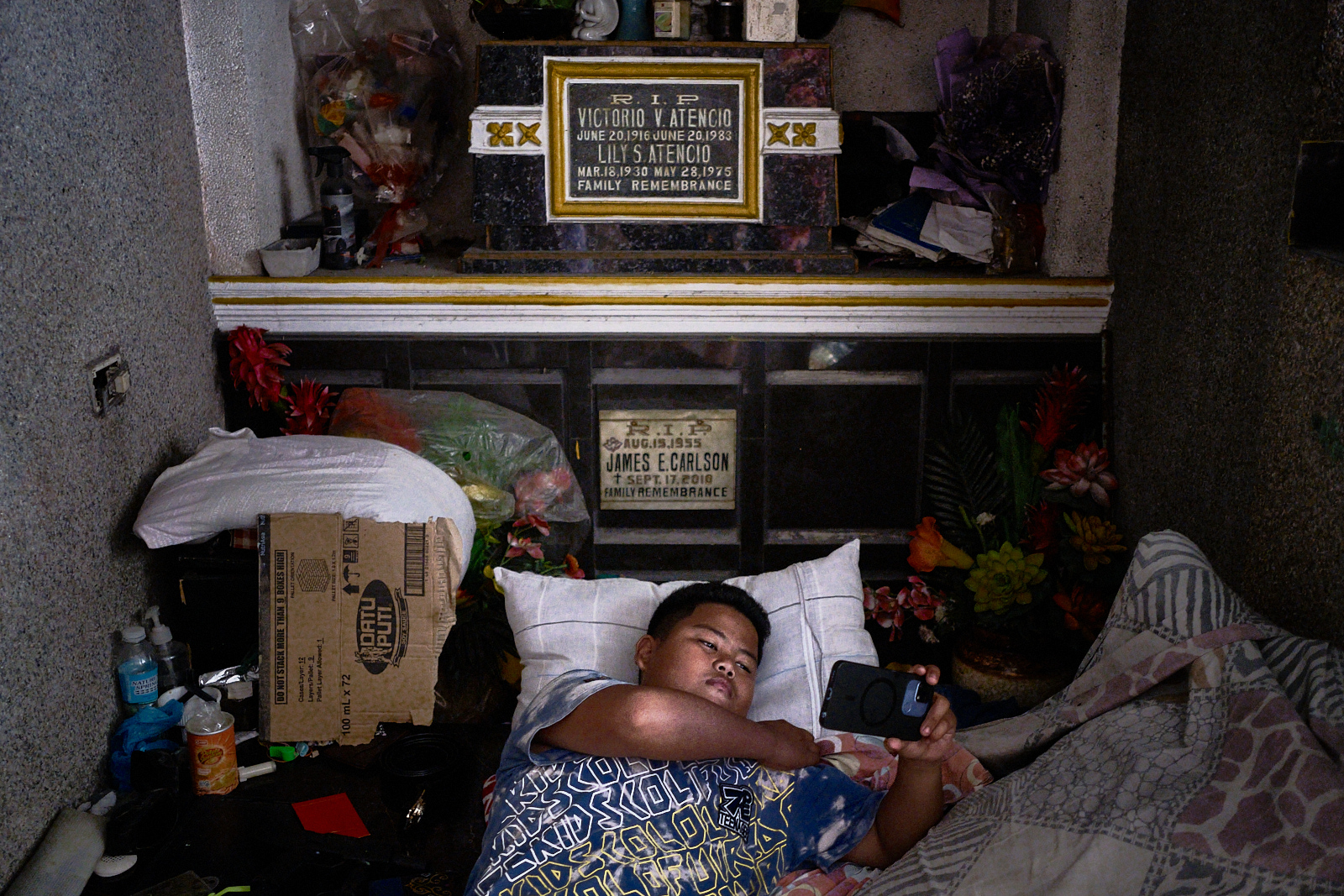
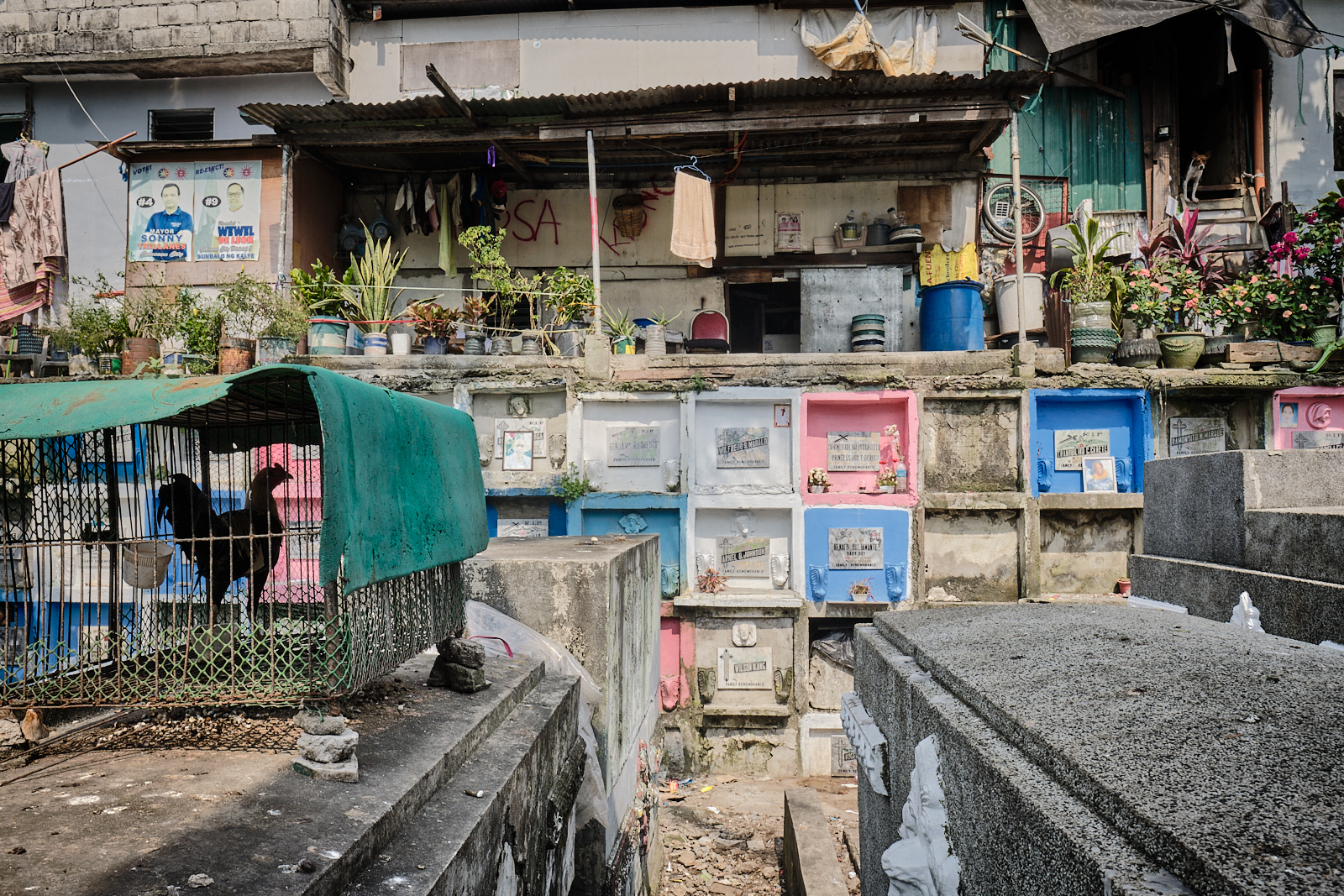
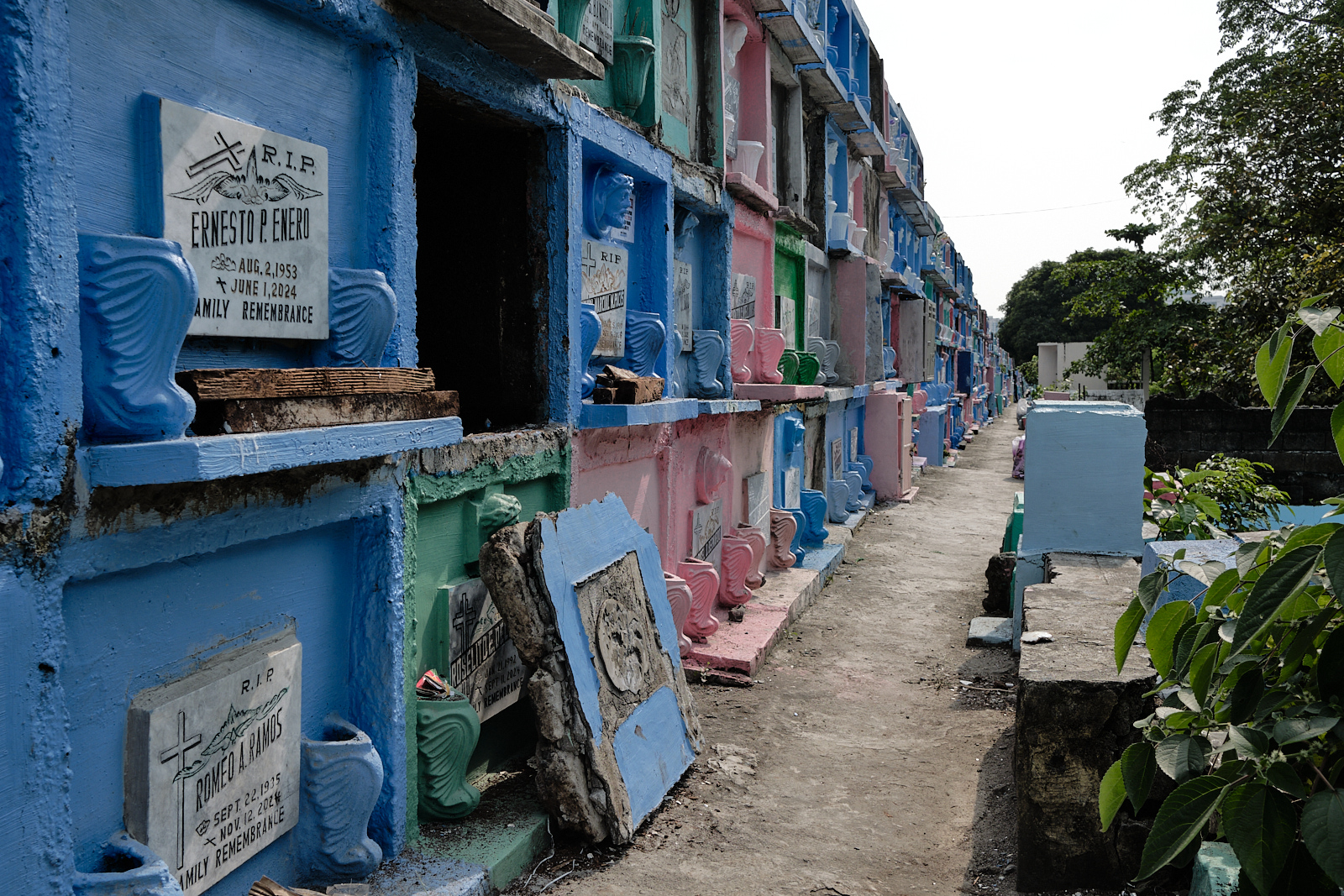
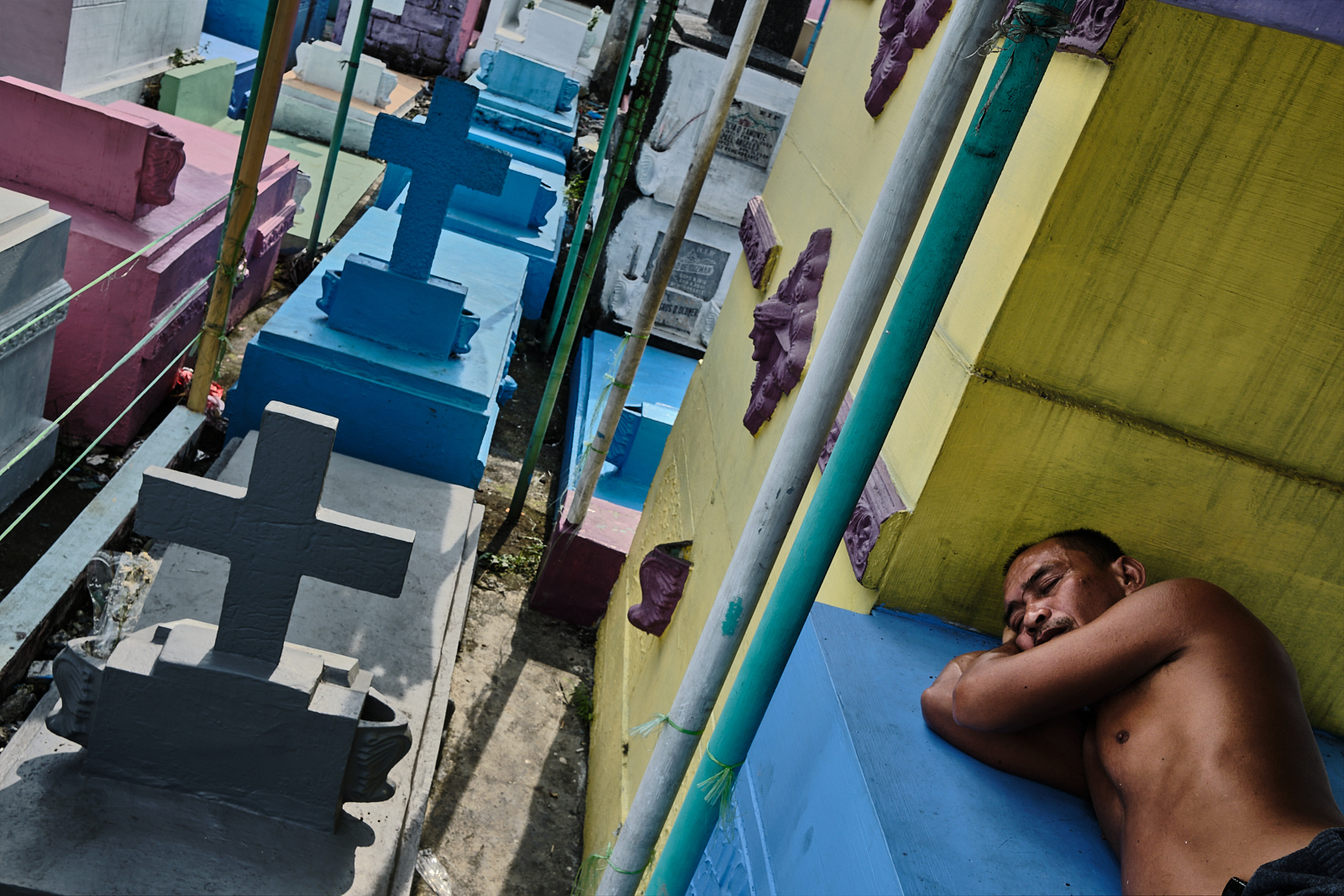
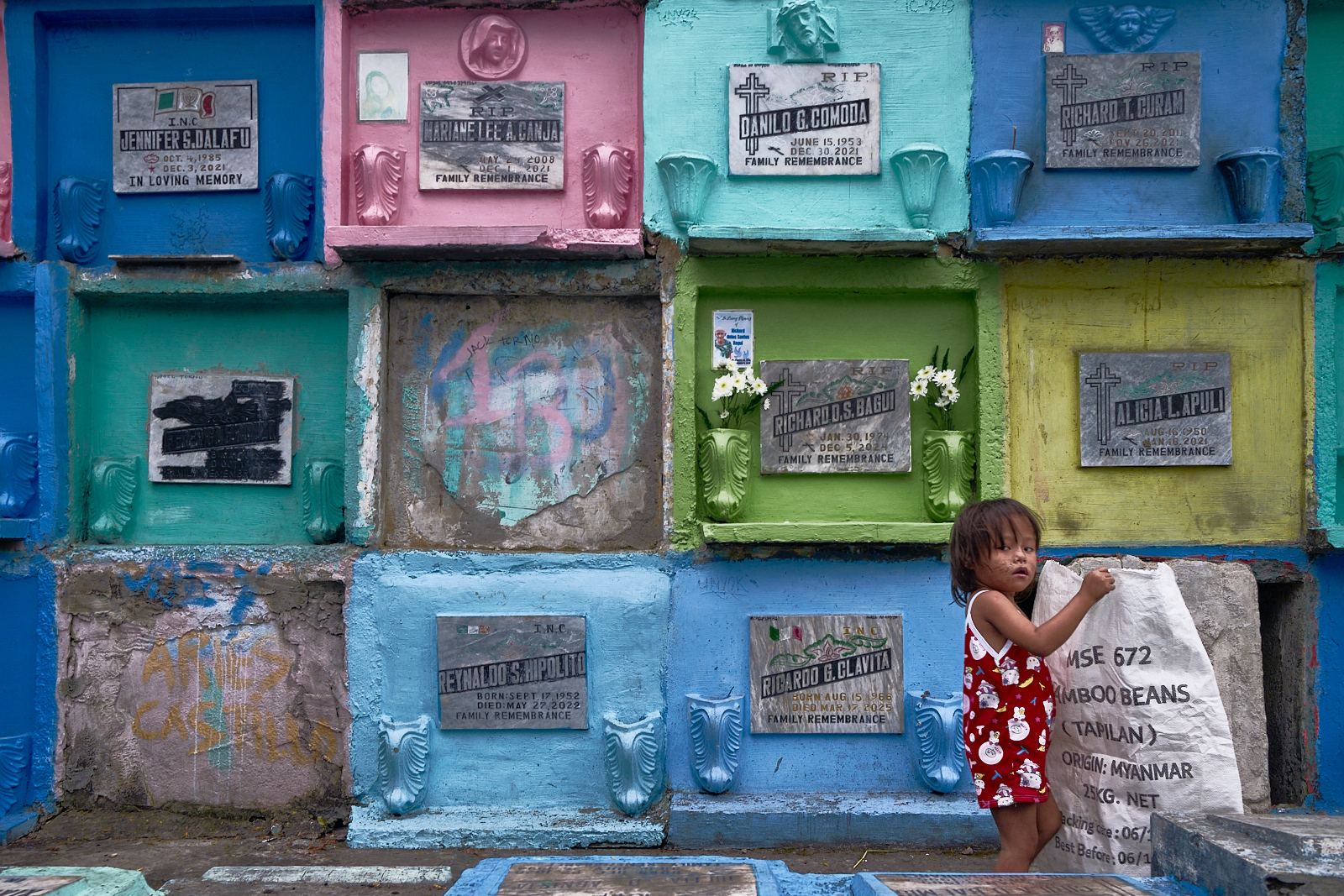
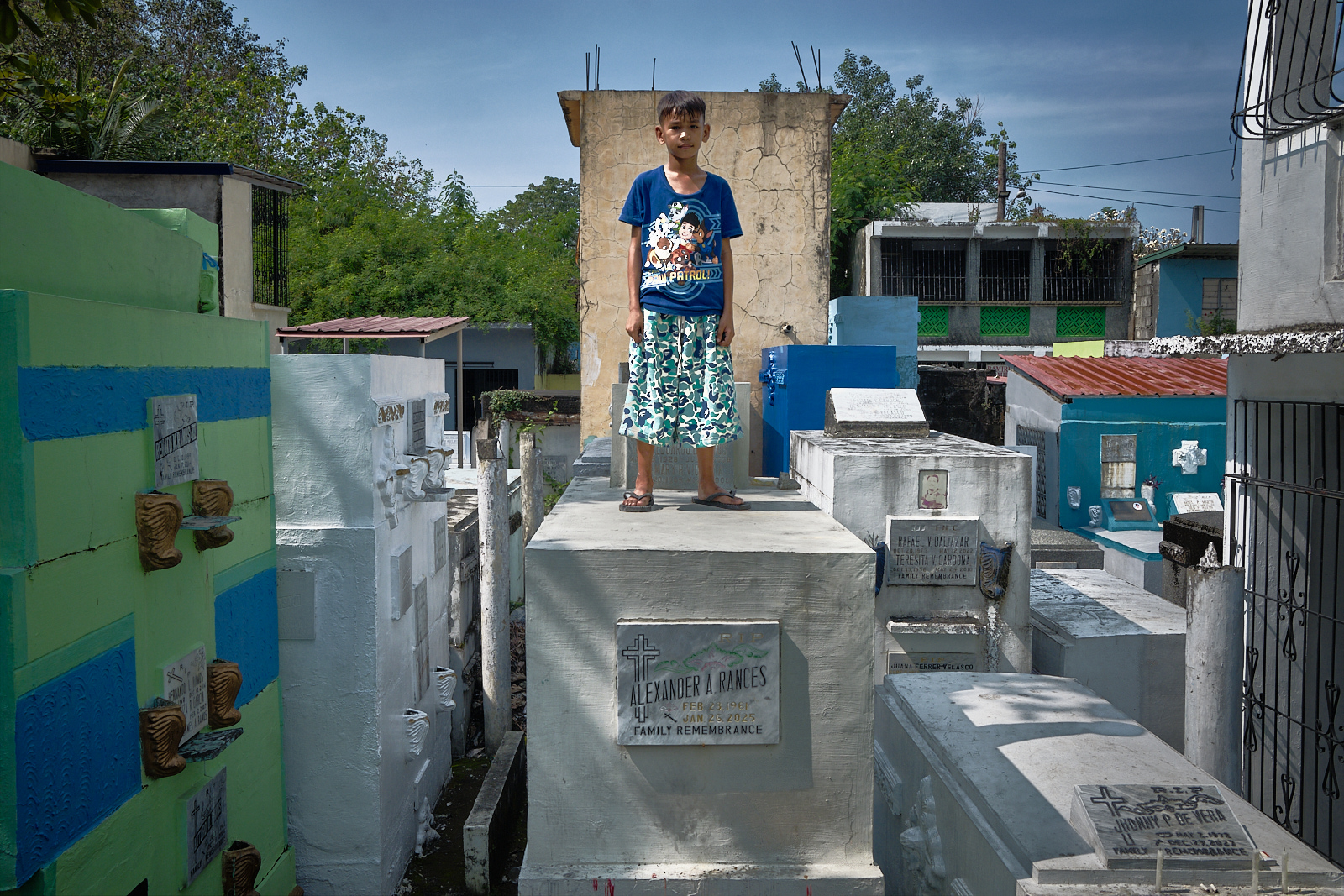
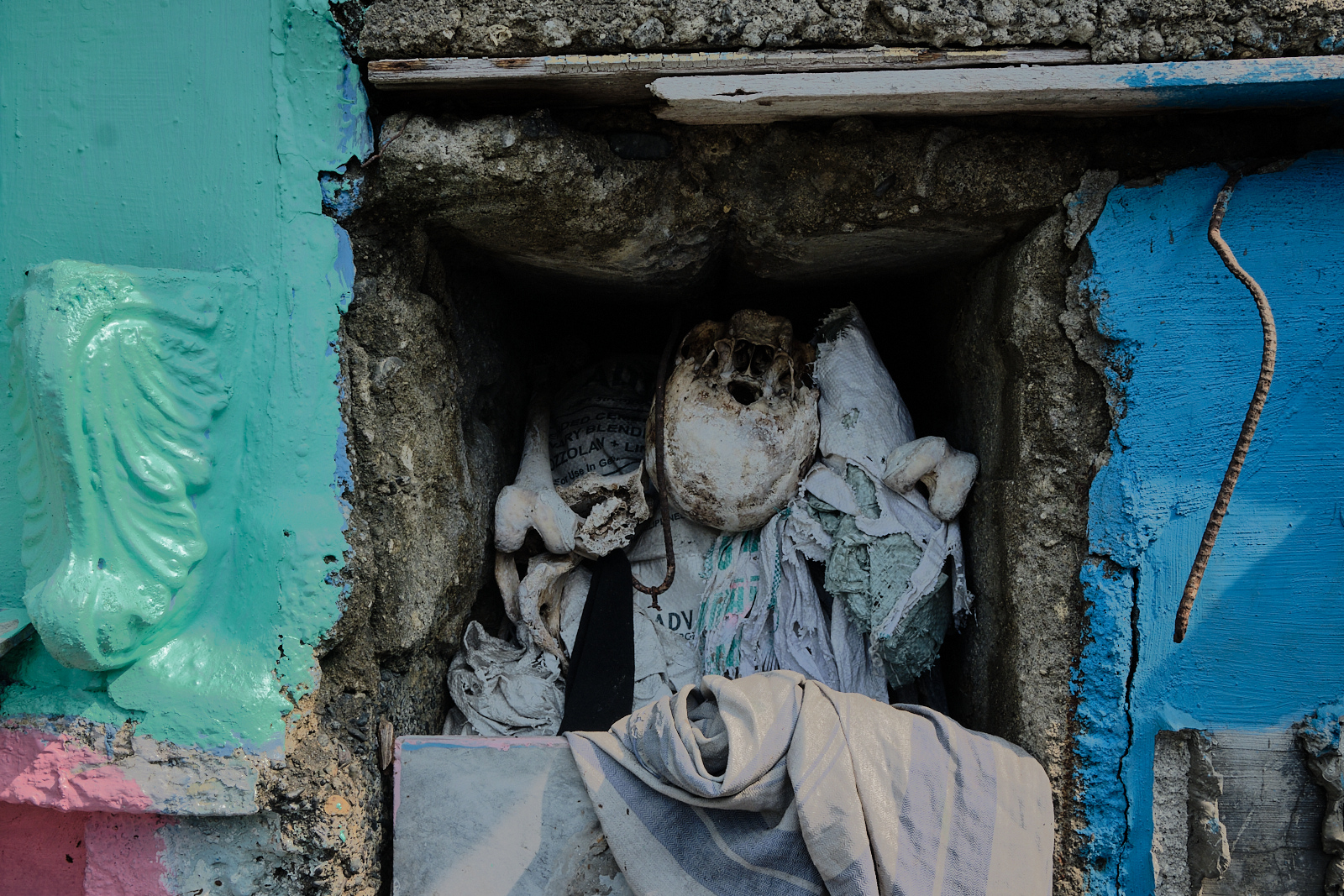
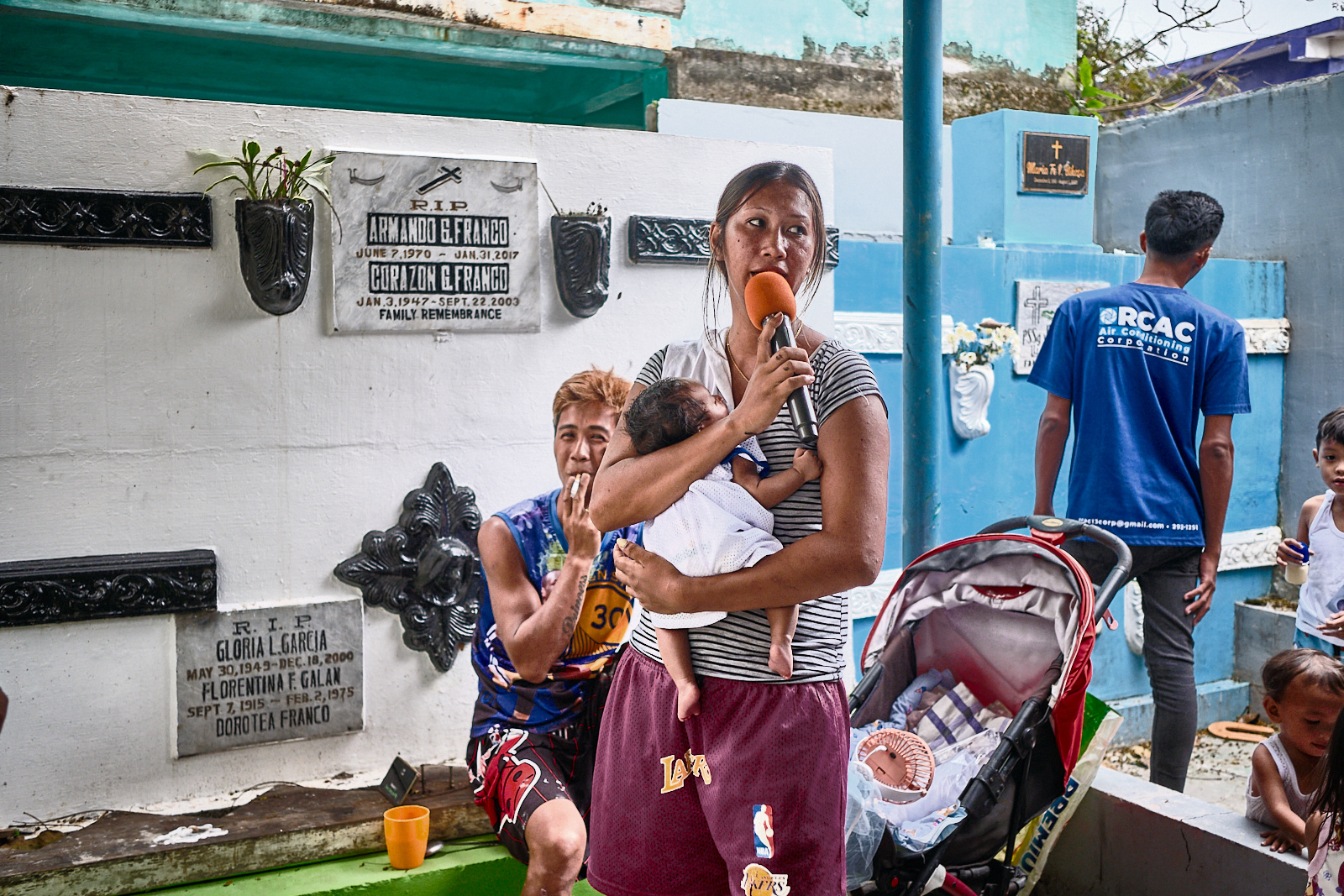
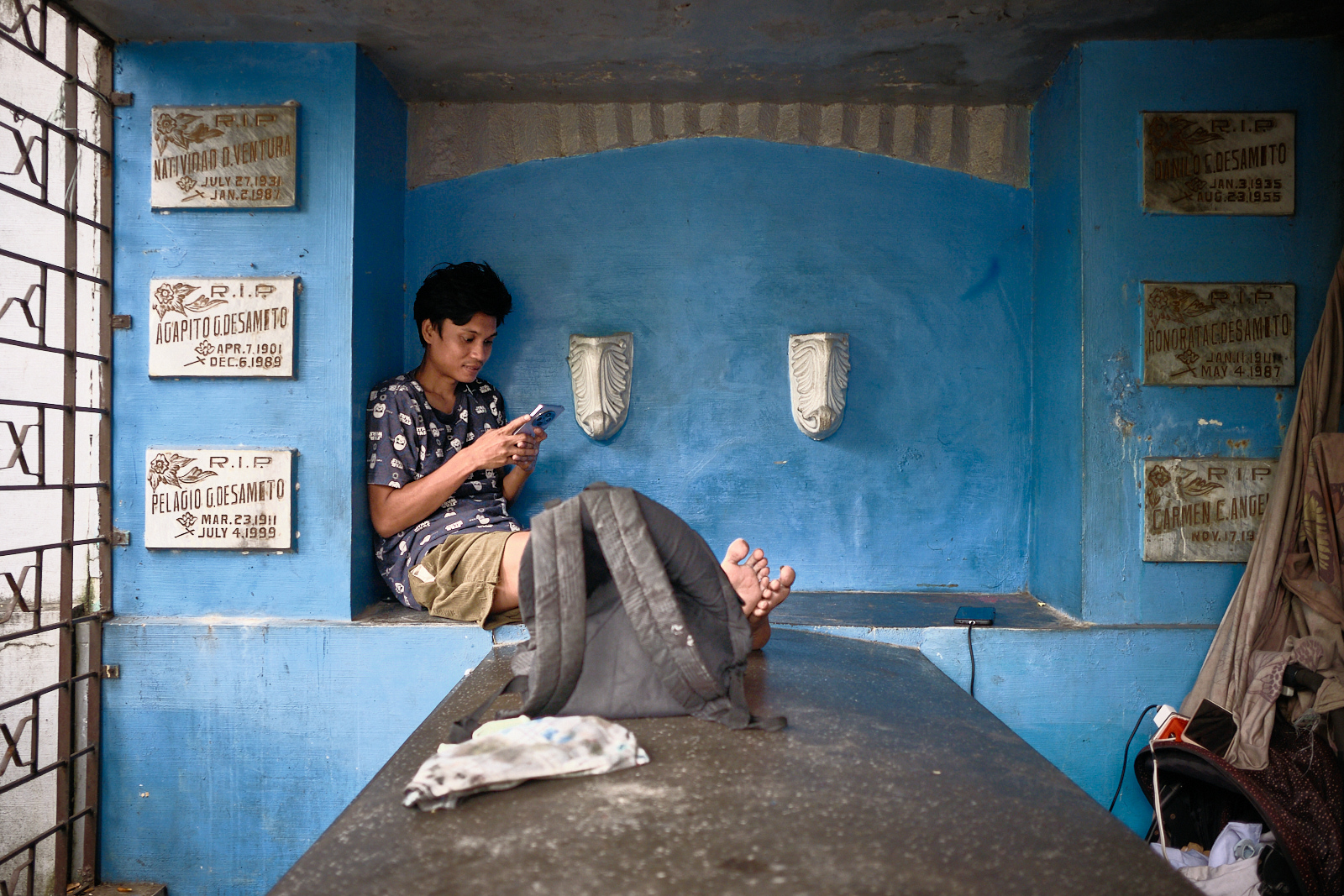
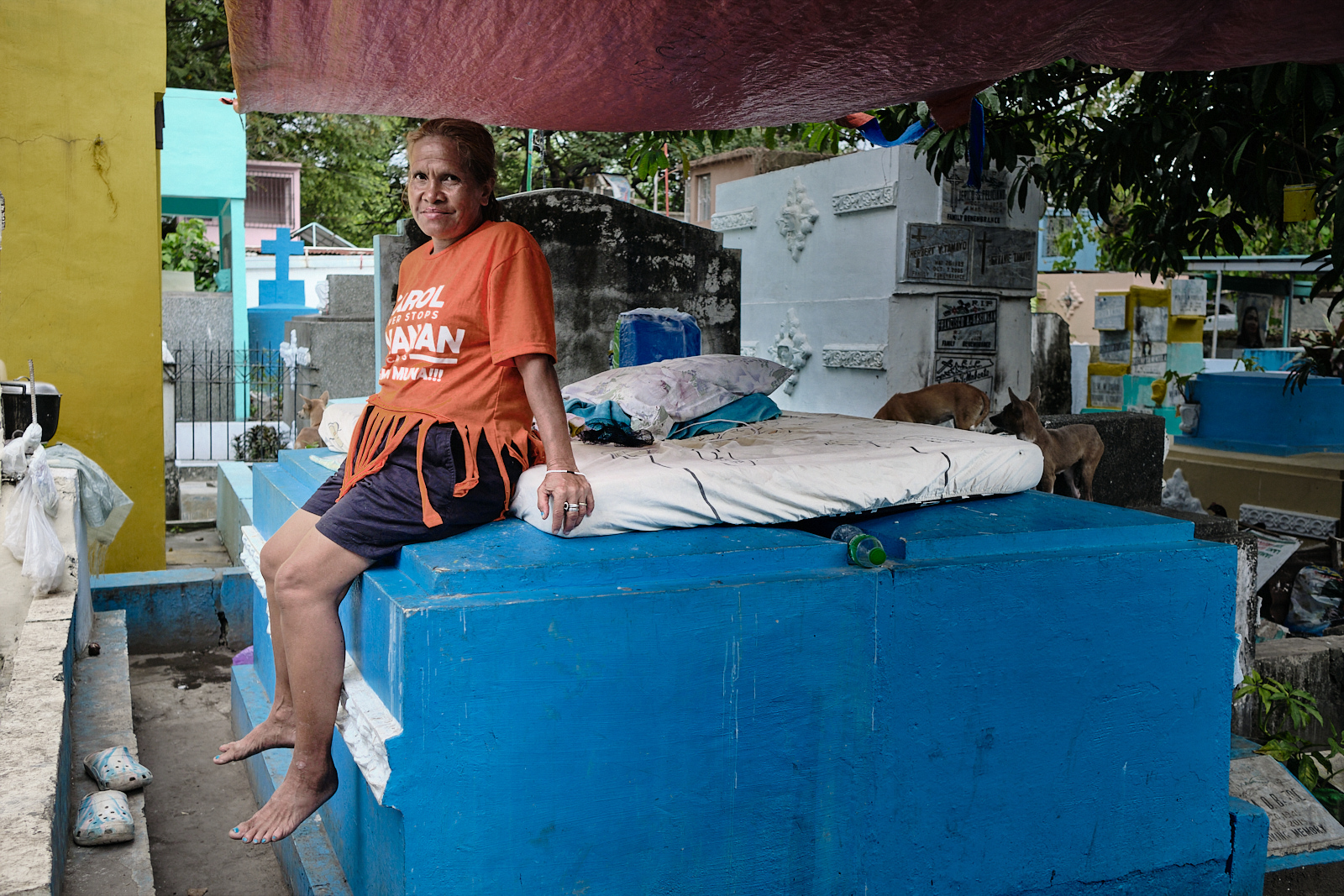
Informal settlements have continued to expand across the capital, and some of the most extreme examples have emerged inside the city’s cemeteries. In Manila North Cemetery, one of the largest burial grounds in the capital, entire communities have gradually formed among the tombs and mausoleums.
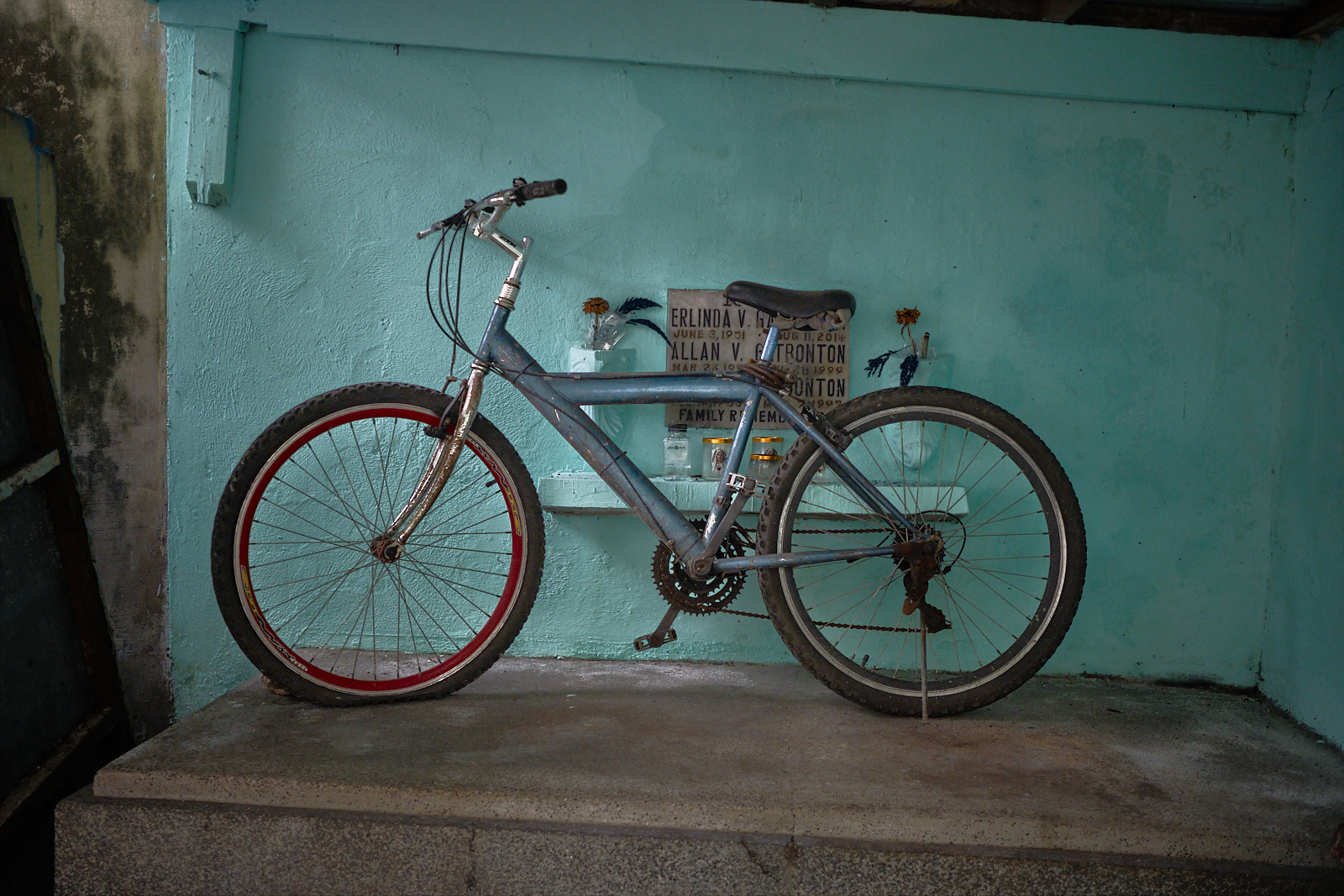
These settlements developed over decades as migrants from poorer provinces arrived in the city after losing livelihoods due to poverty, economic hardship, or natural disasters. Temporary shelters slowly turned into more permanent dwellings, and informal neighborhoods took shape inside the cemetery.
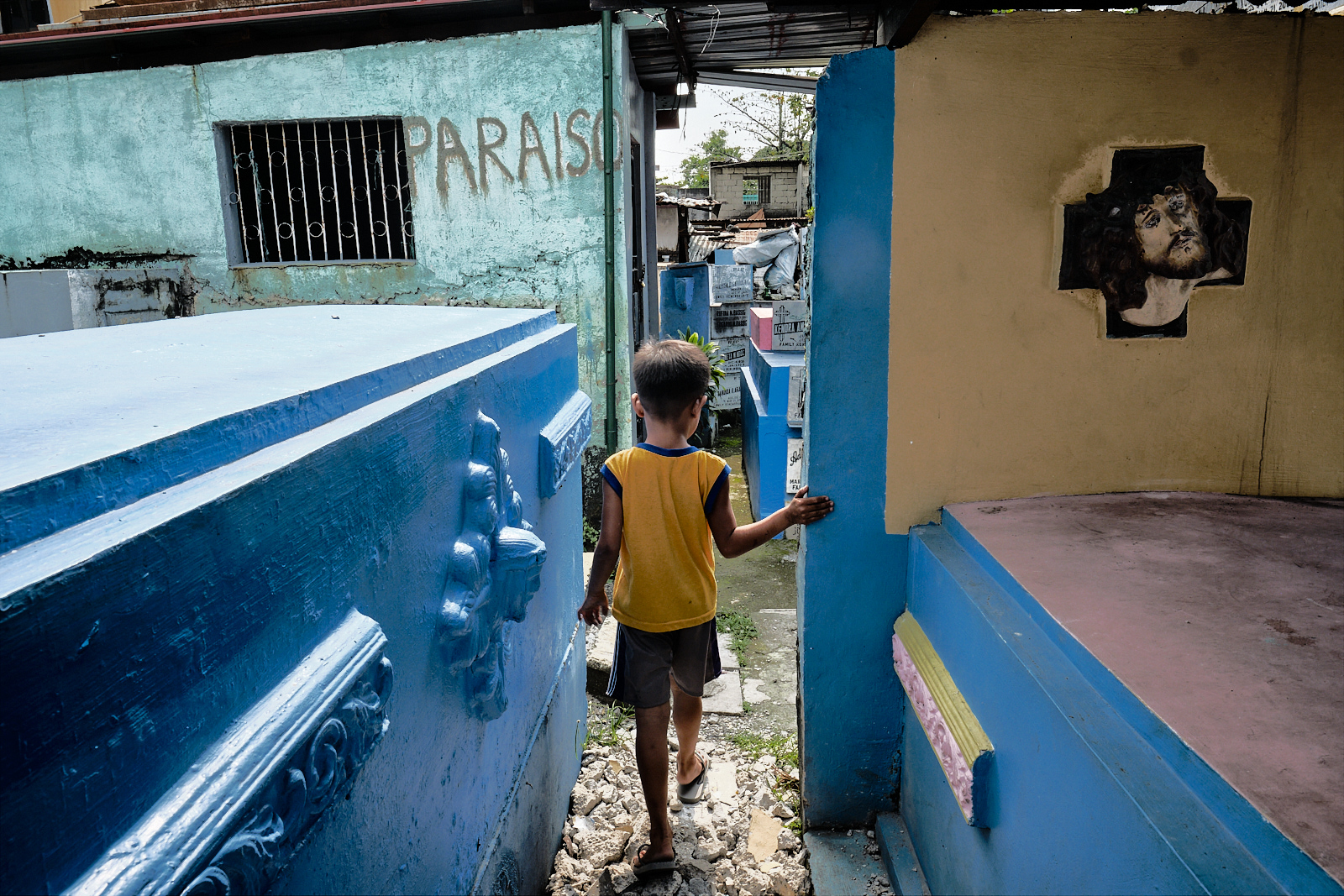
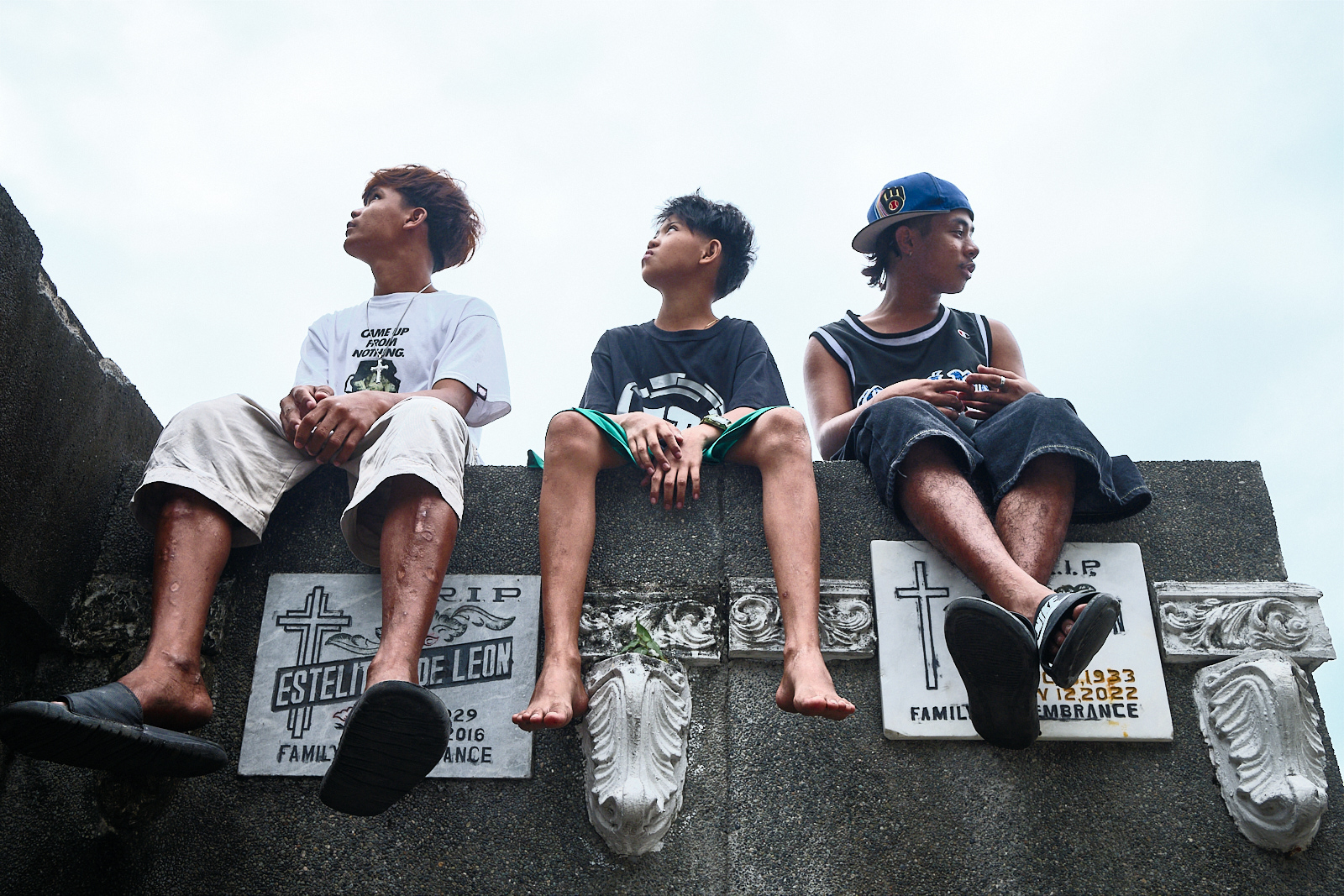
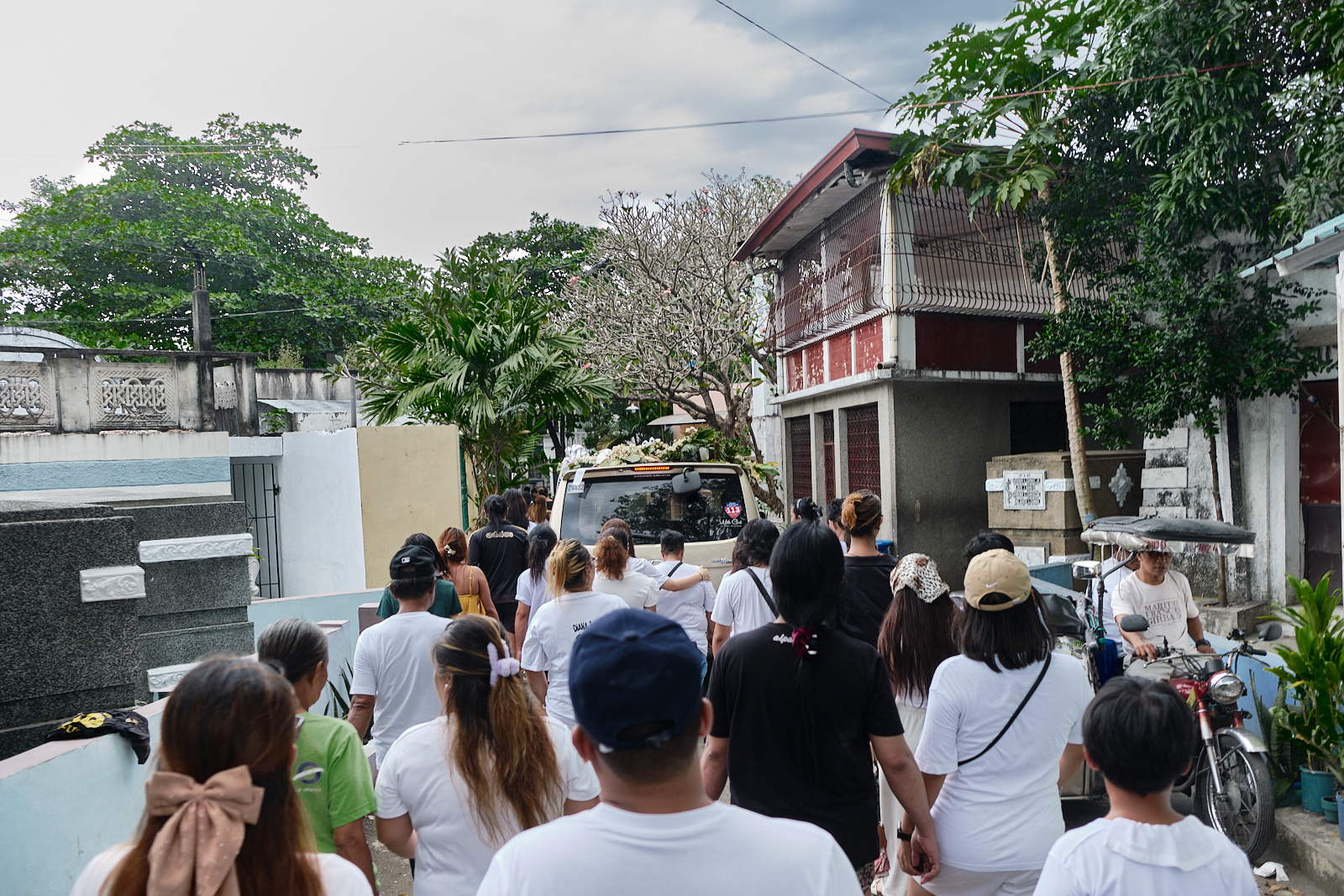
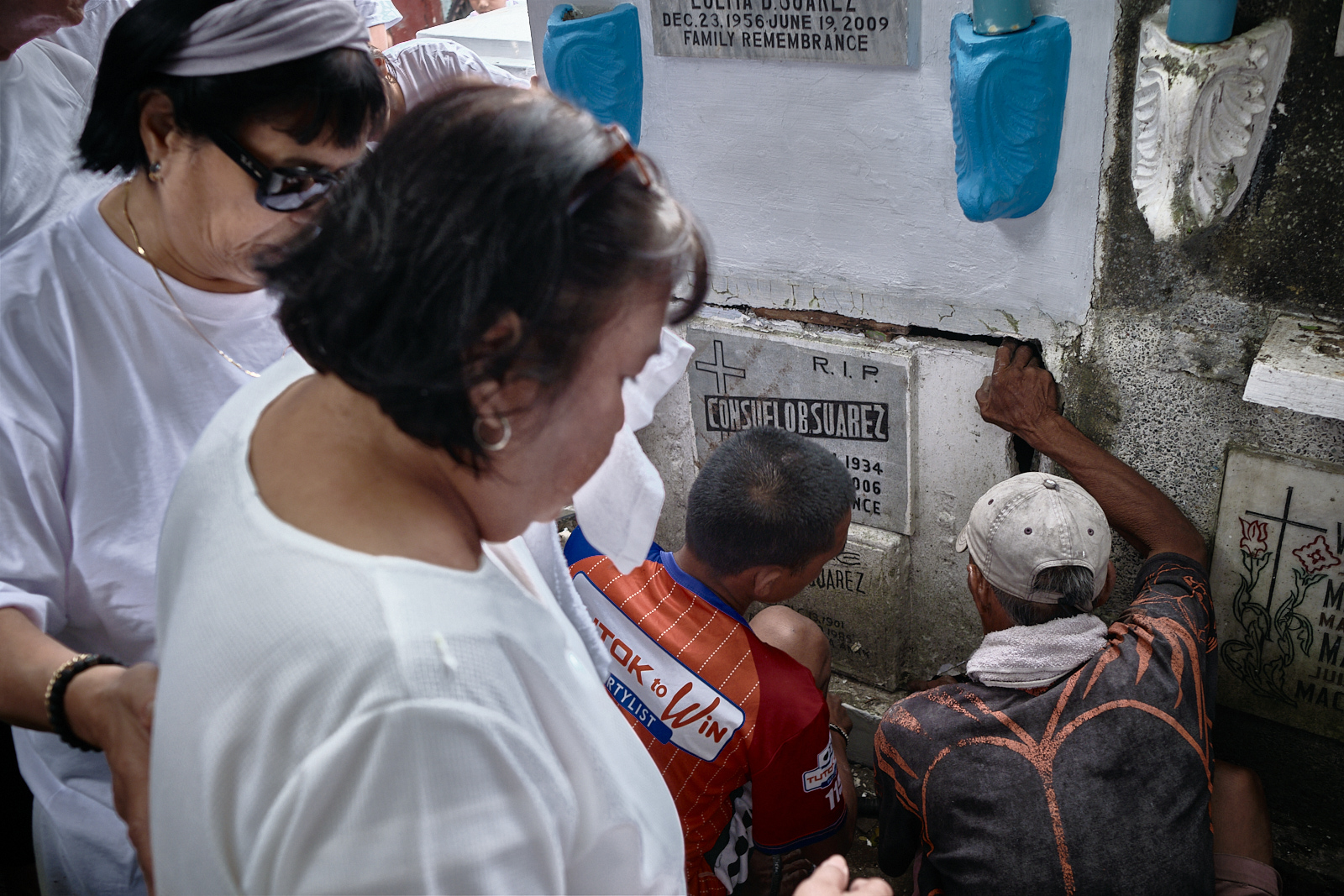
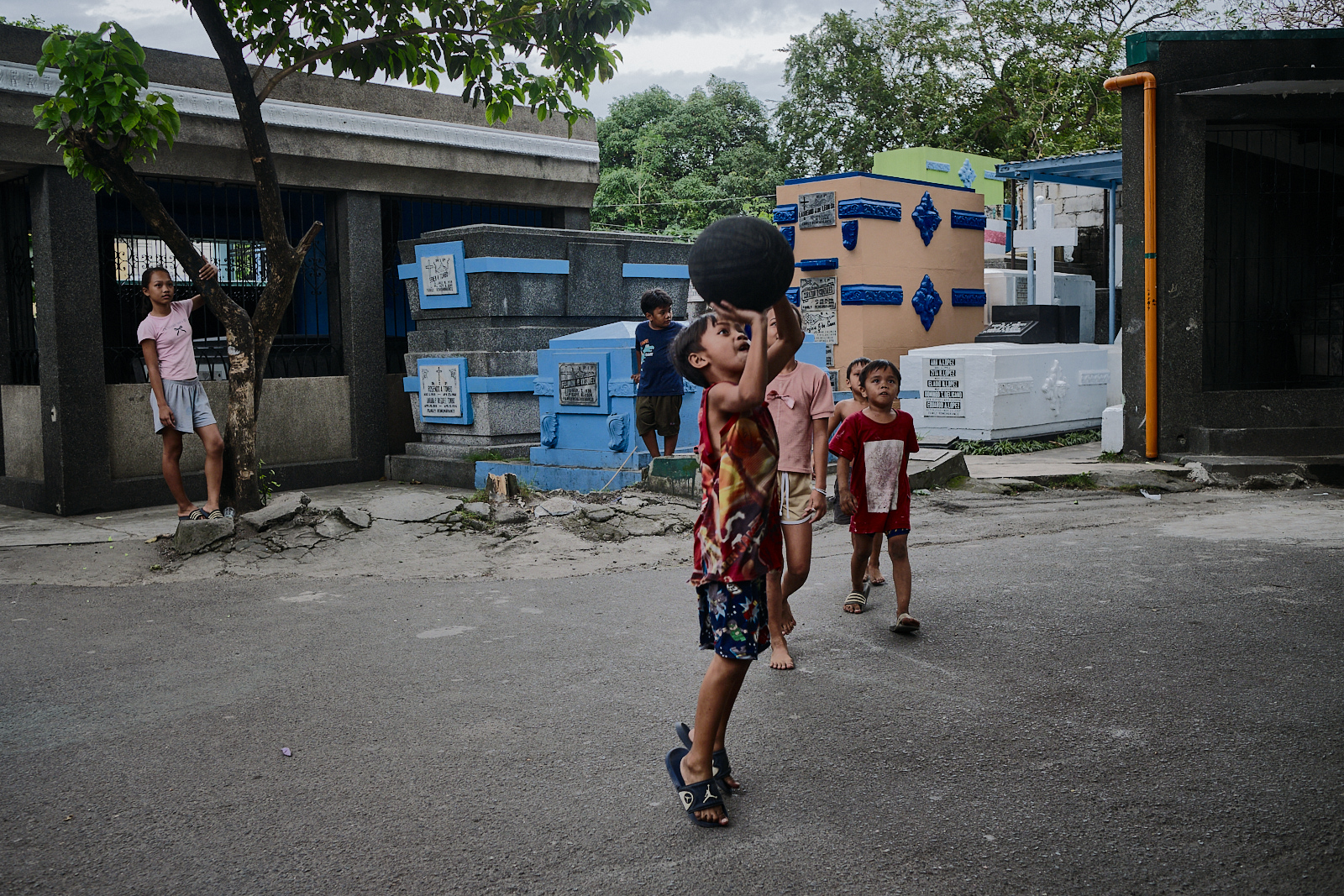
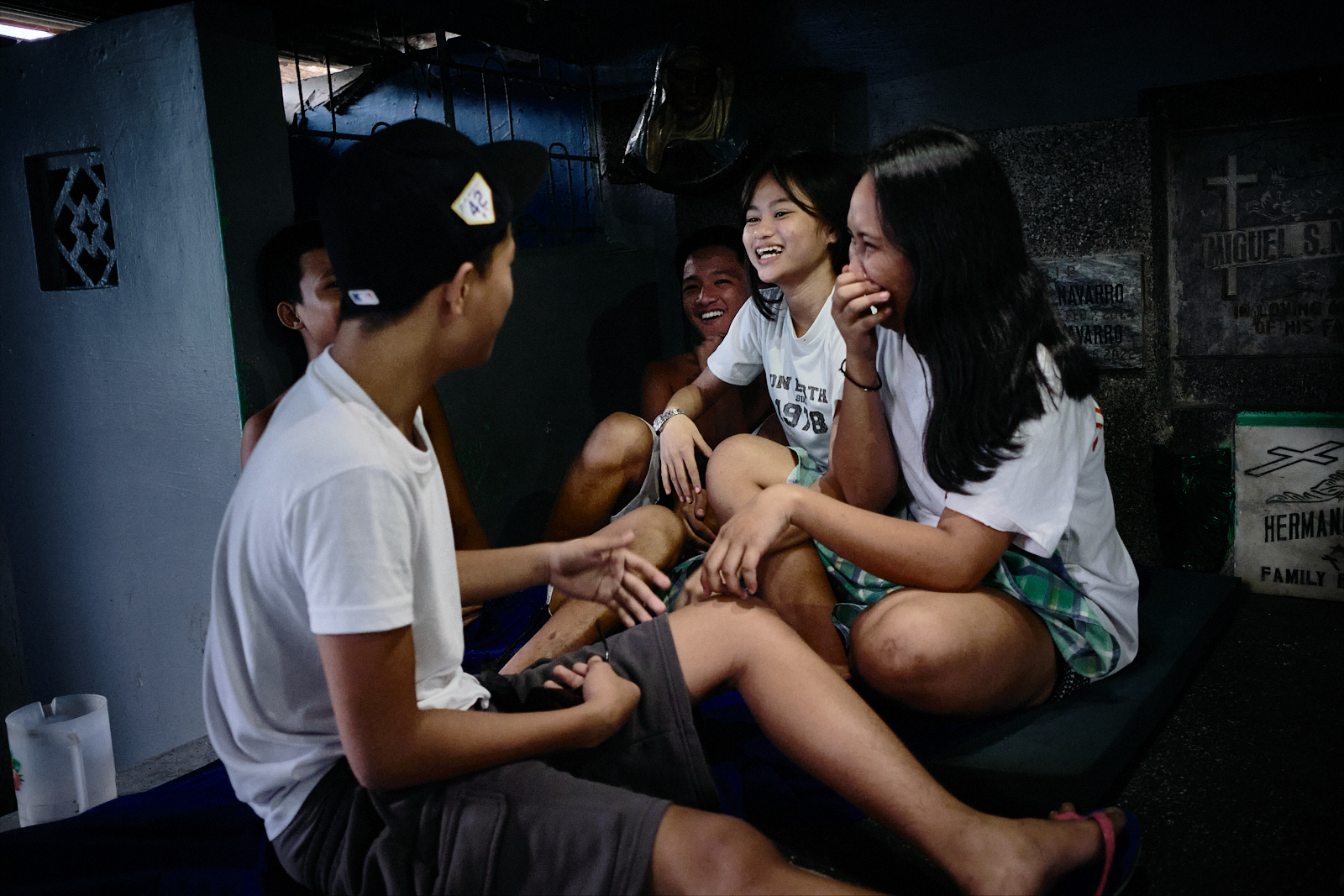
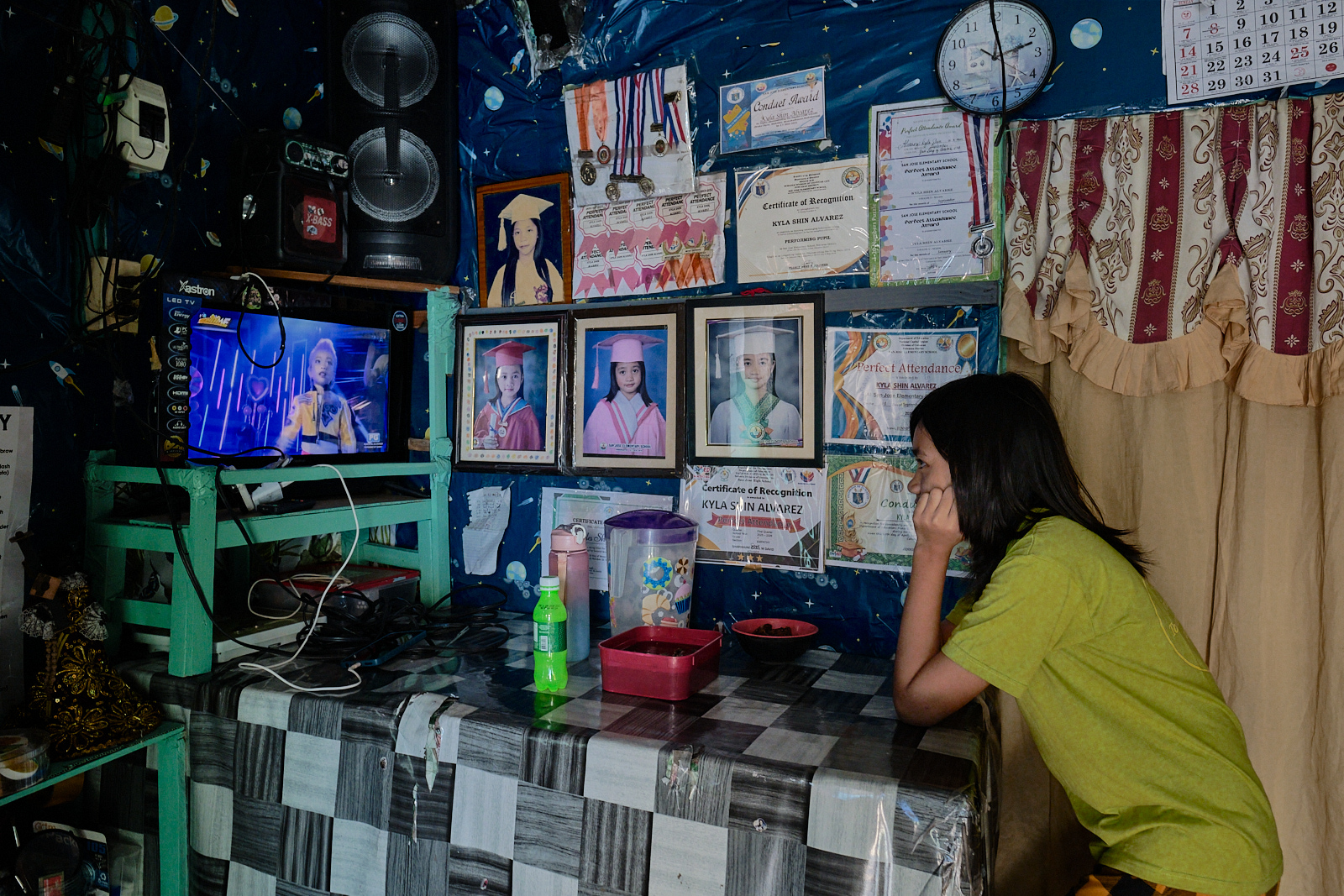
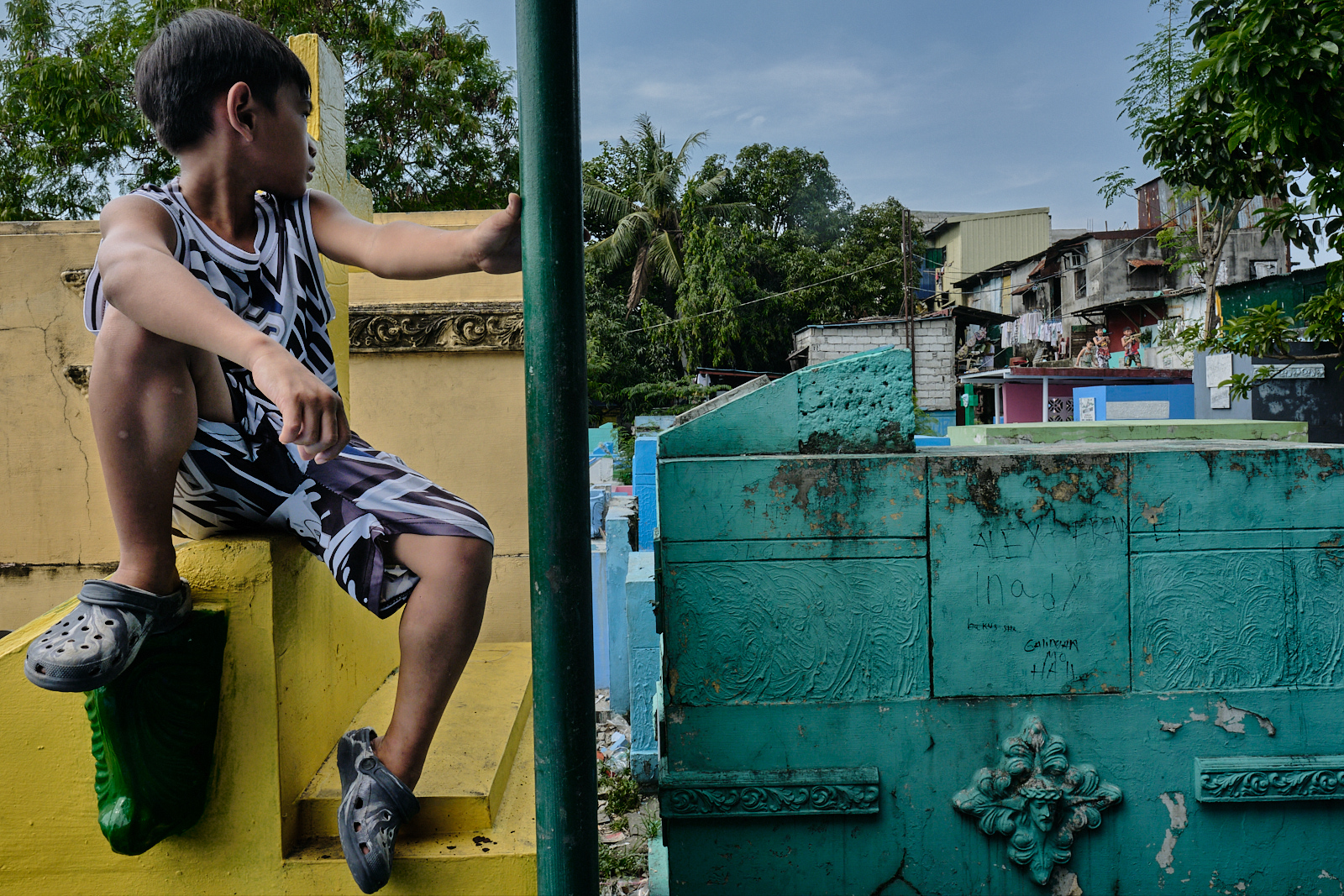
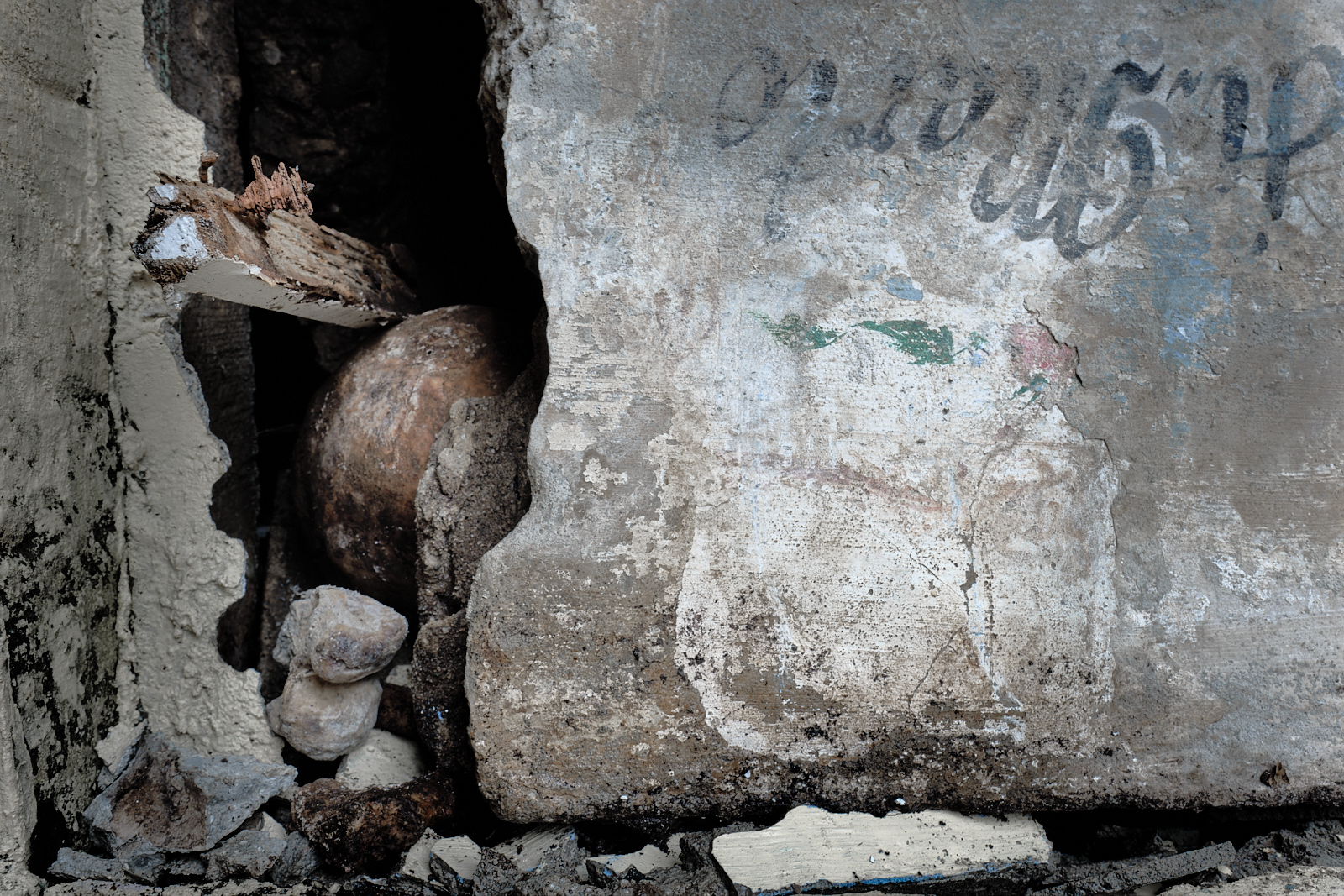
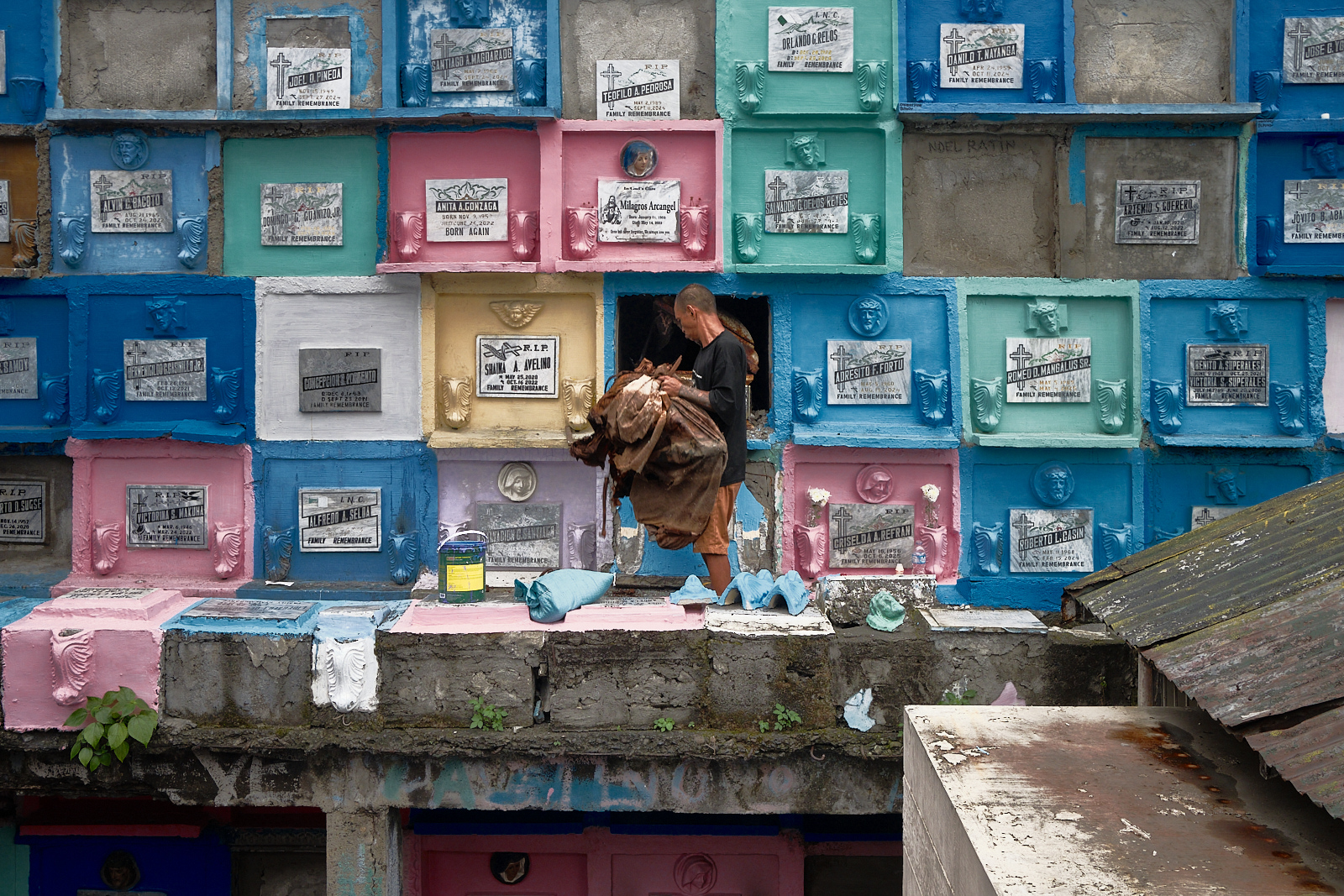
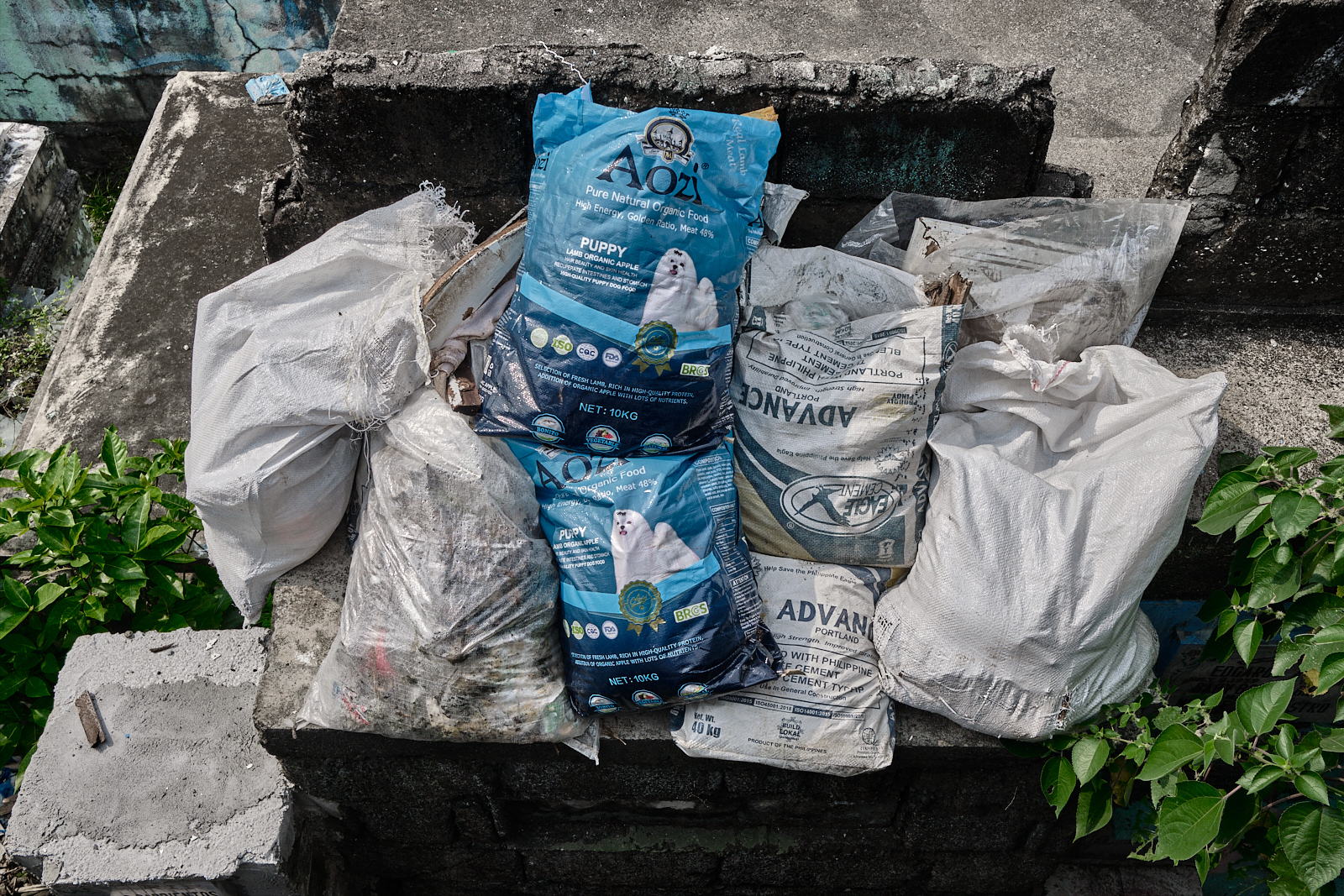
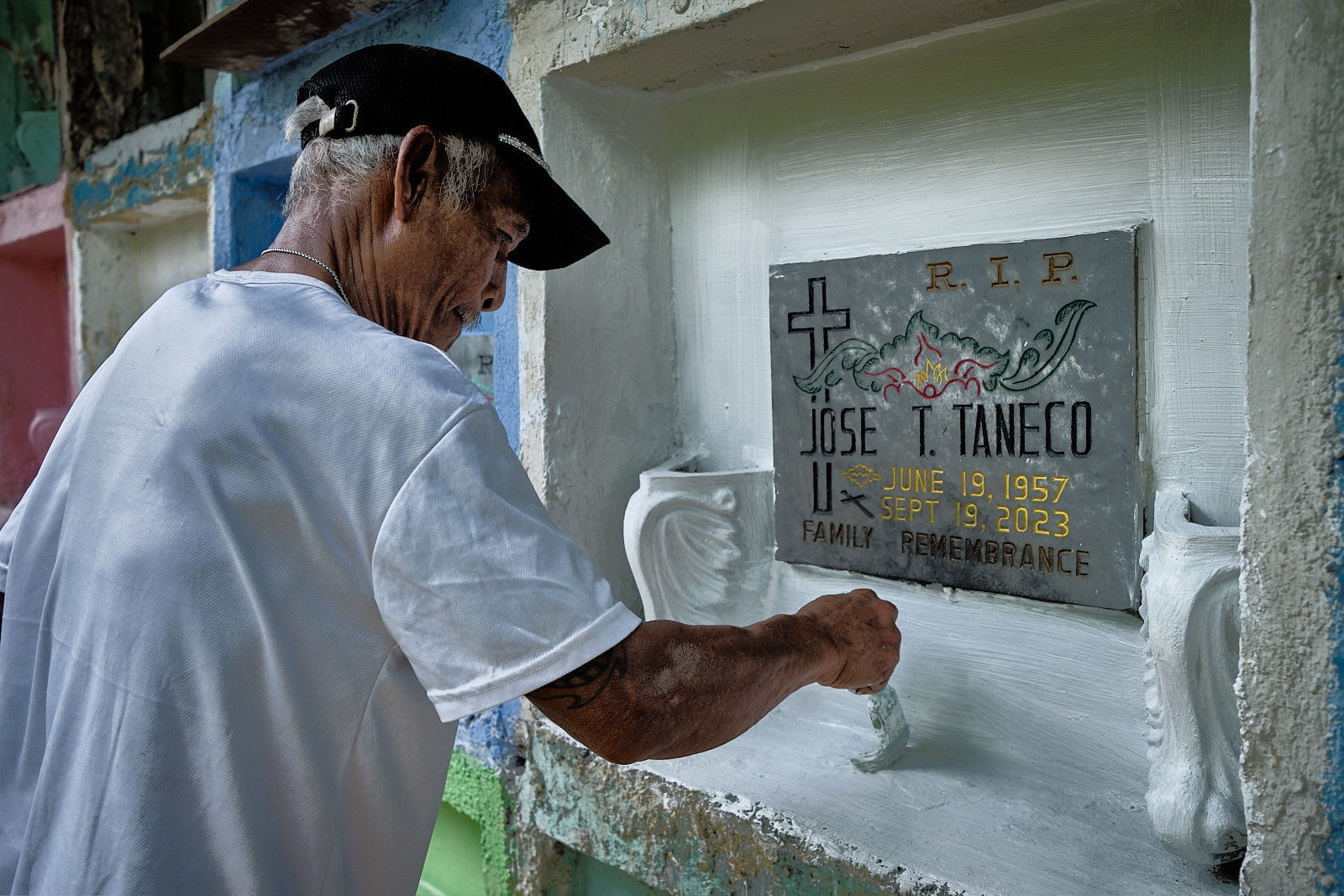
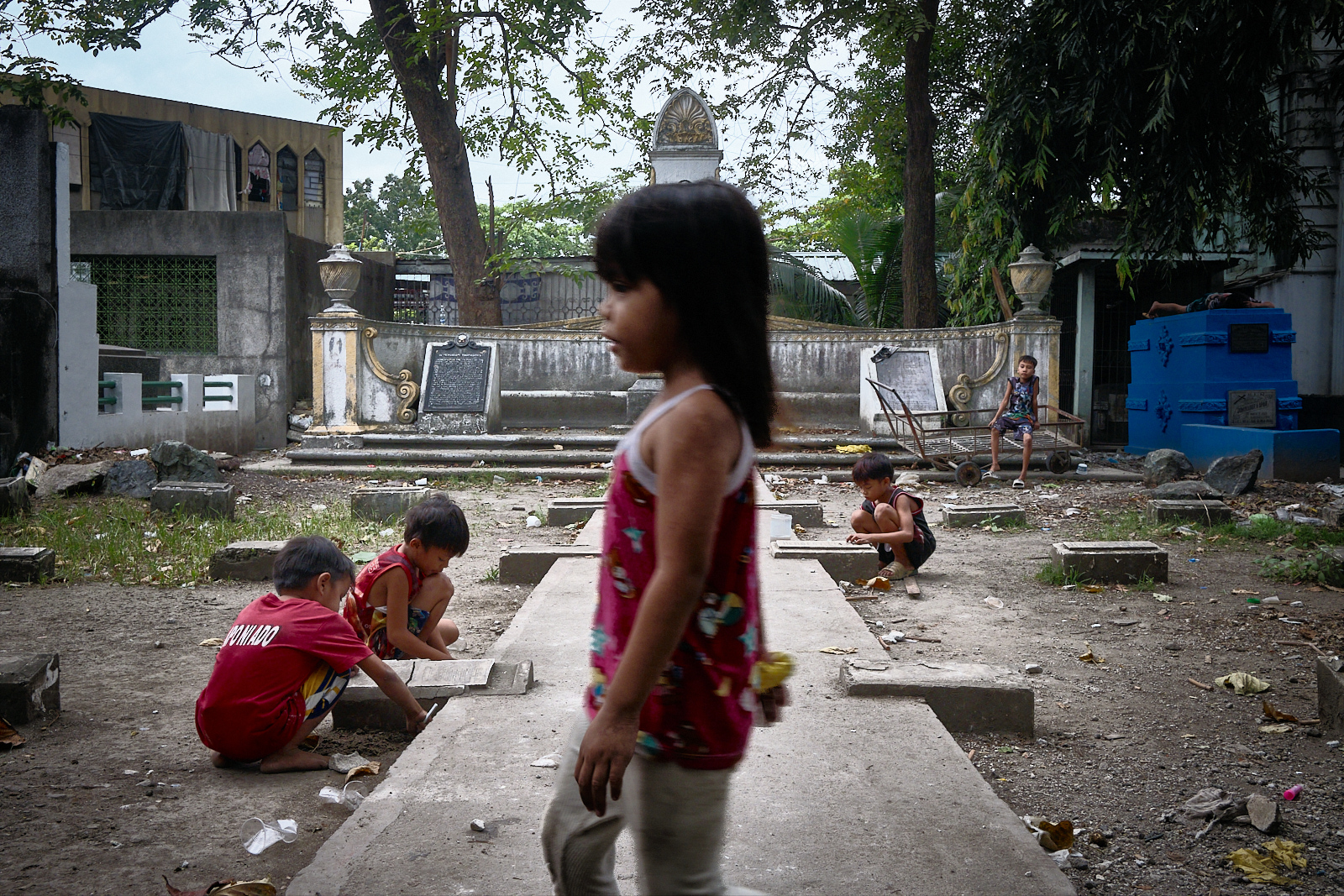
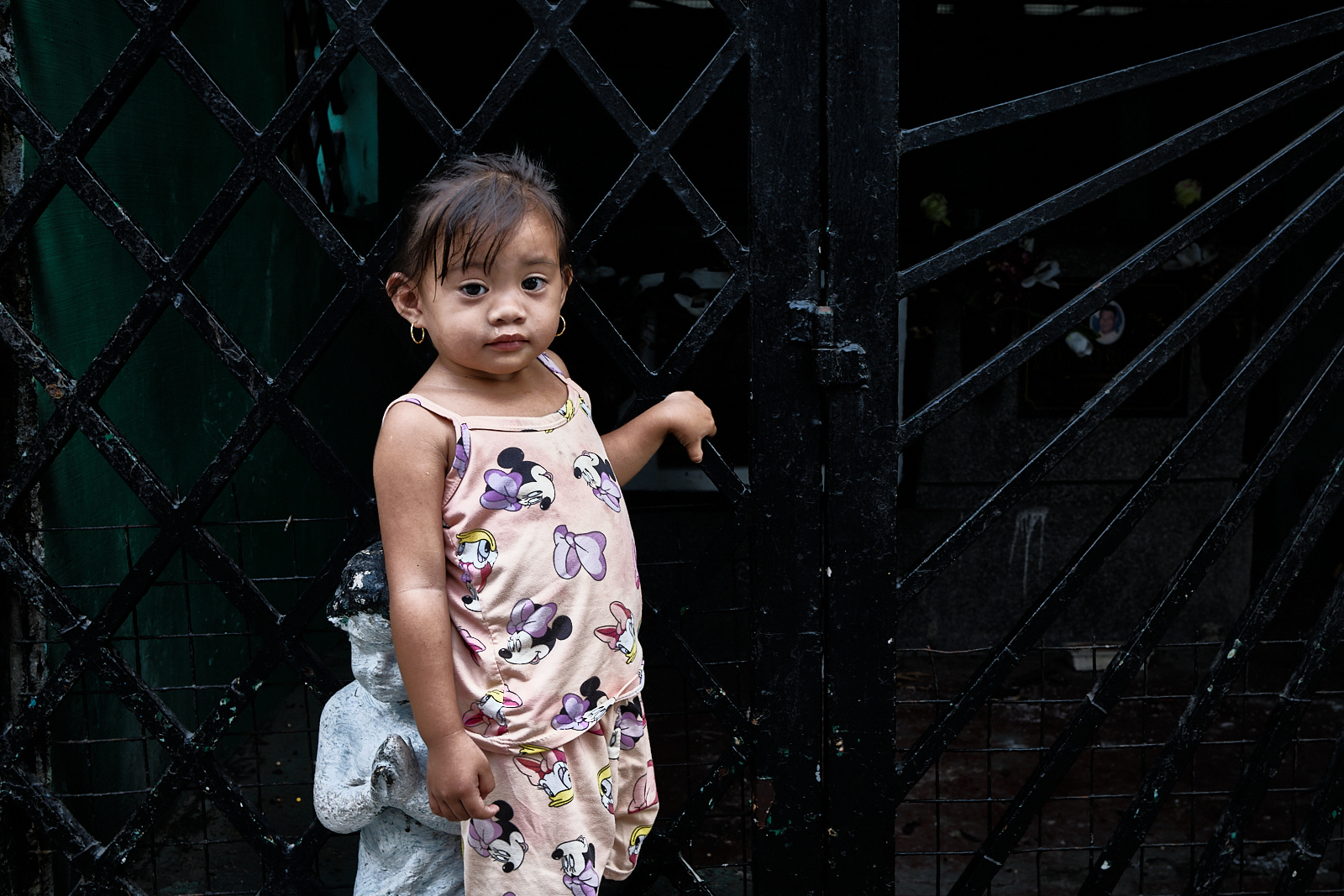
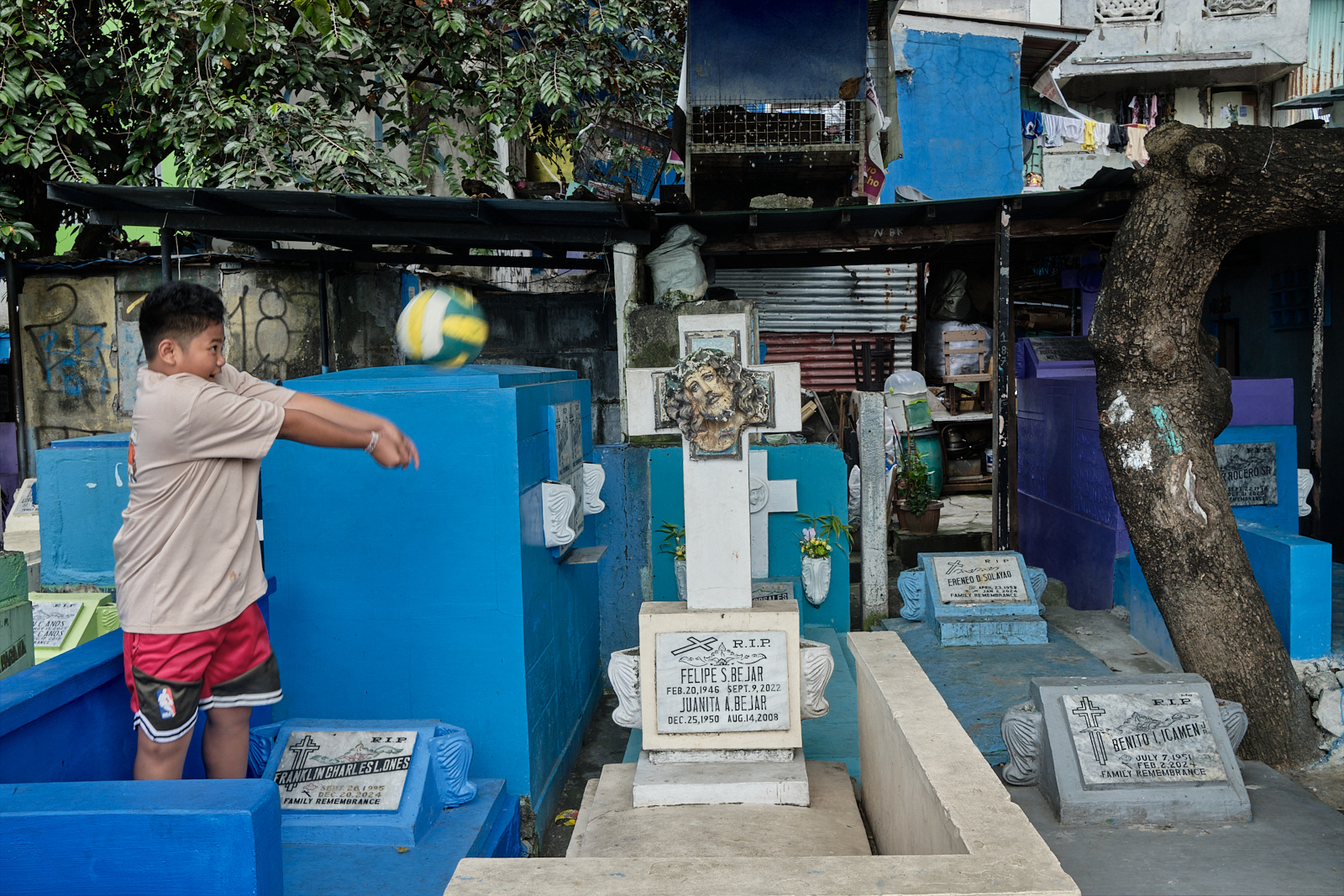
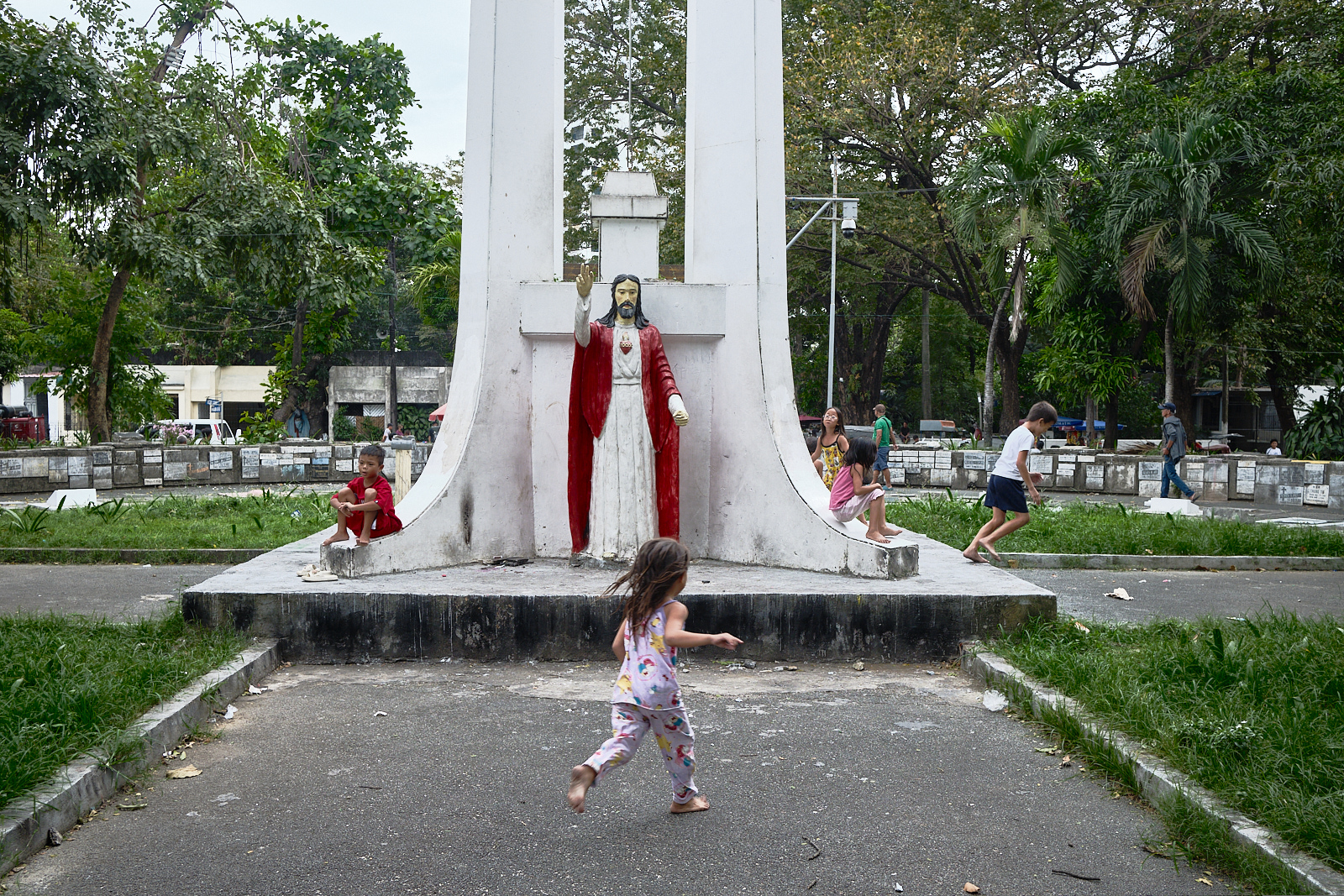
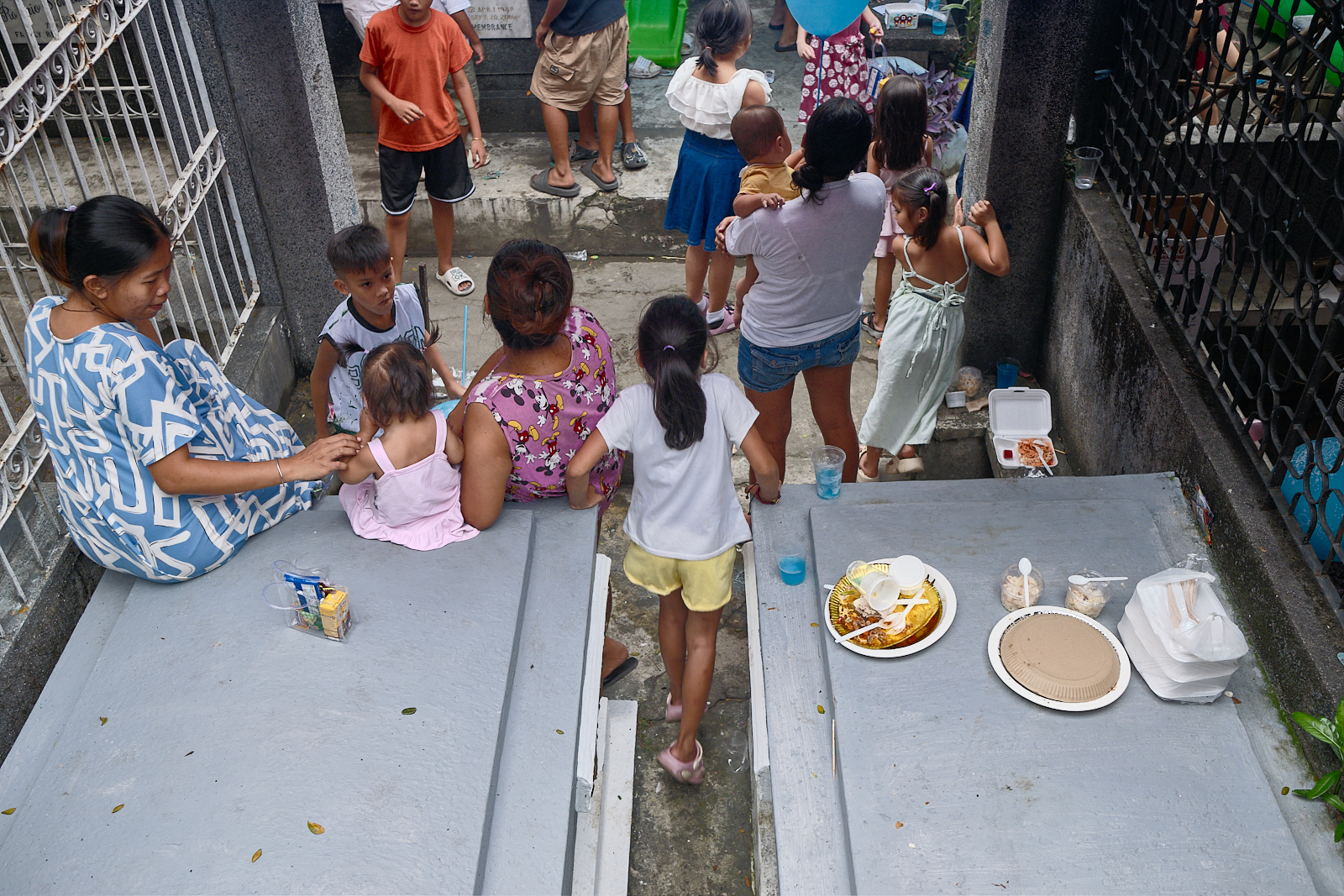
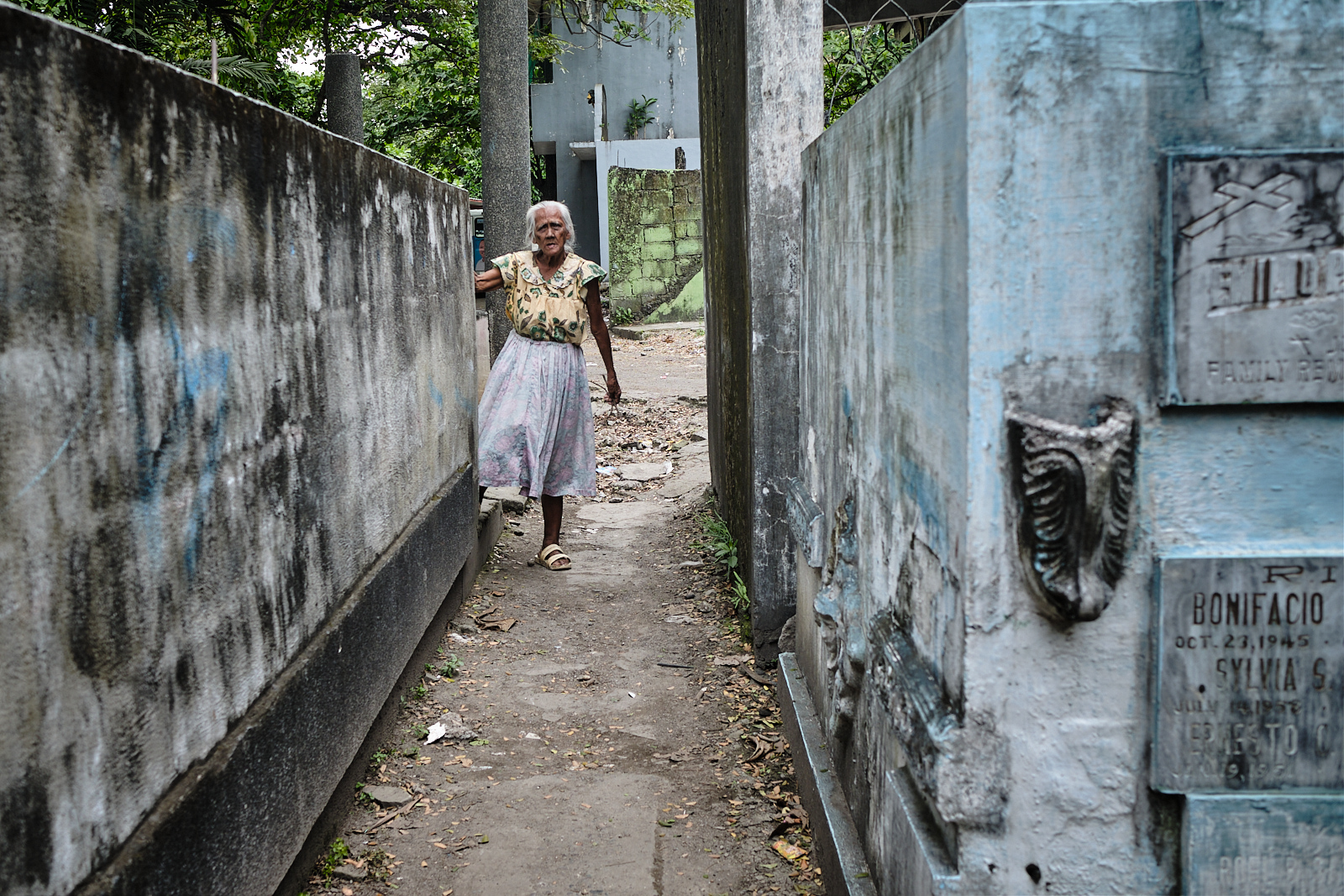
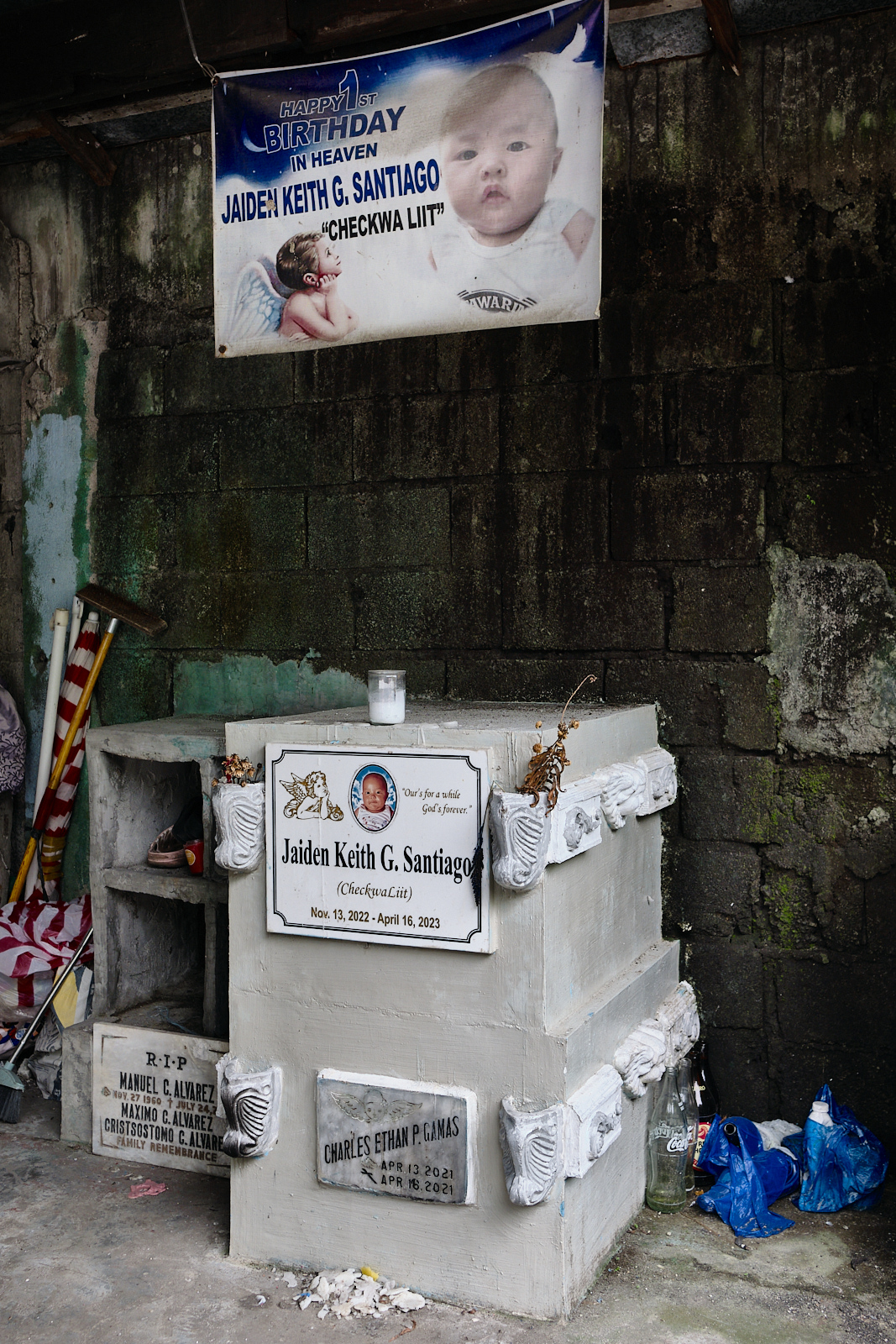
Within these communities, daily life revolves around the cemetery itself. Many residents work as grave caretakers, cleaners, or informal laborers assisting visiting families. Others earn small amounts of money maintaining tombs or helping with burial and exhumation work. Narrow pathways between graves function as streets, while open spaces between mausoleums become gathering points where residents socialize and children play.
Despite the unusual setting, these areas operate much like small neighborhoods on the margins of the city. The presence of such communities reflects the broader pressures of rapid urbanization, persistent poverty, and limited access to affordable housing in Manila.
In this sense, the inhabited cemeteries of the Philippine capital represent one of the most striking expressions of the city’s housing crisis, and an example of how residents adapt to life in an increasingly crowded and unequal urban environment.