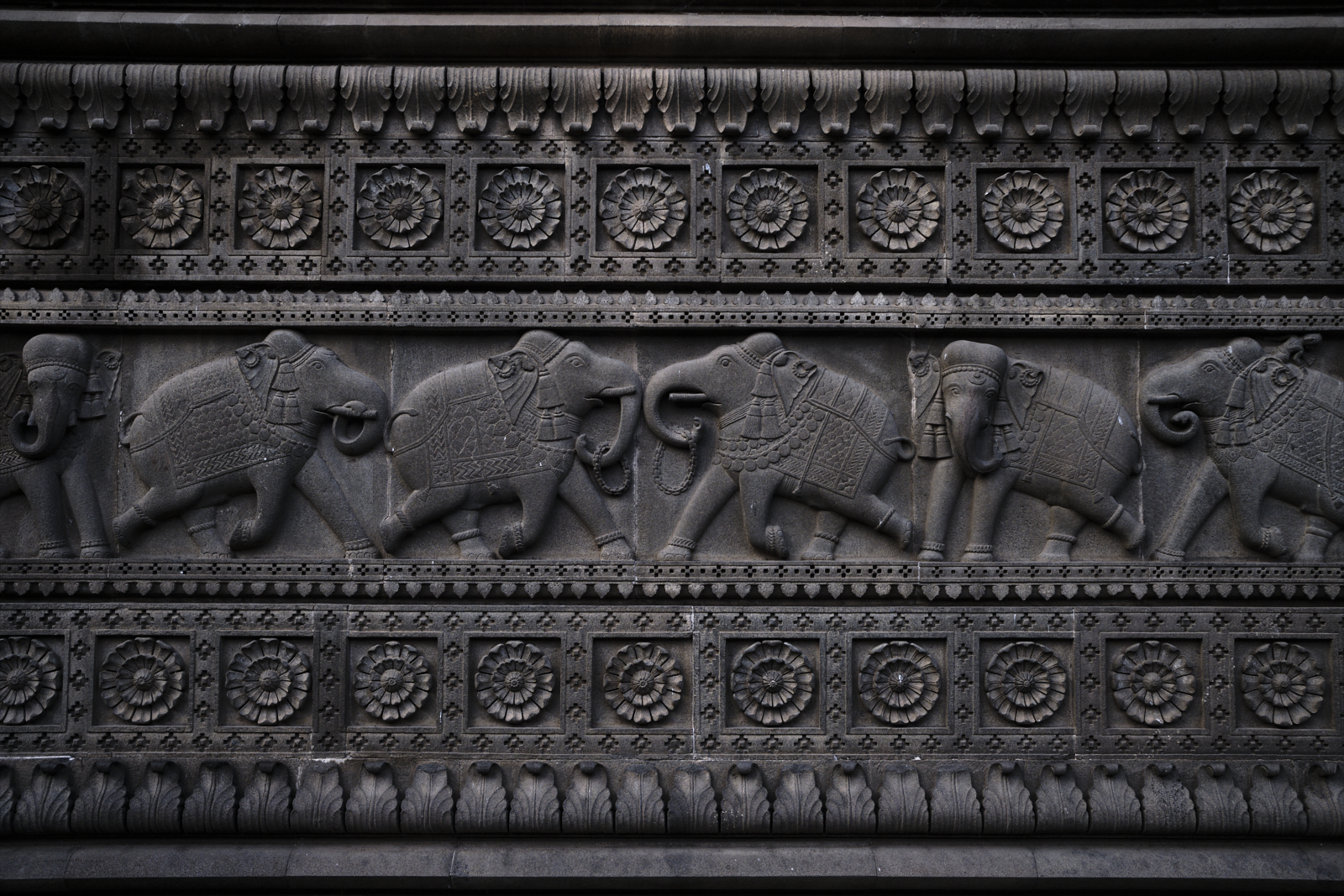
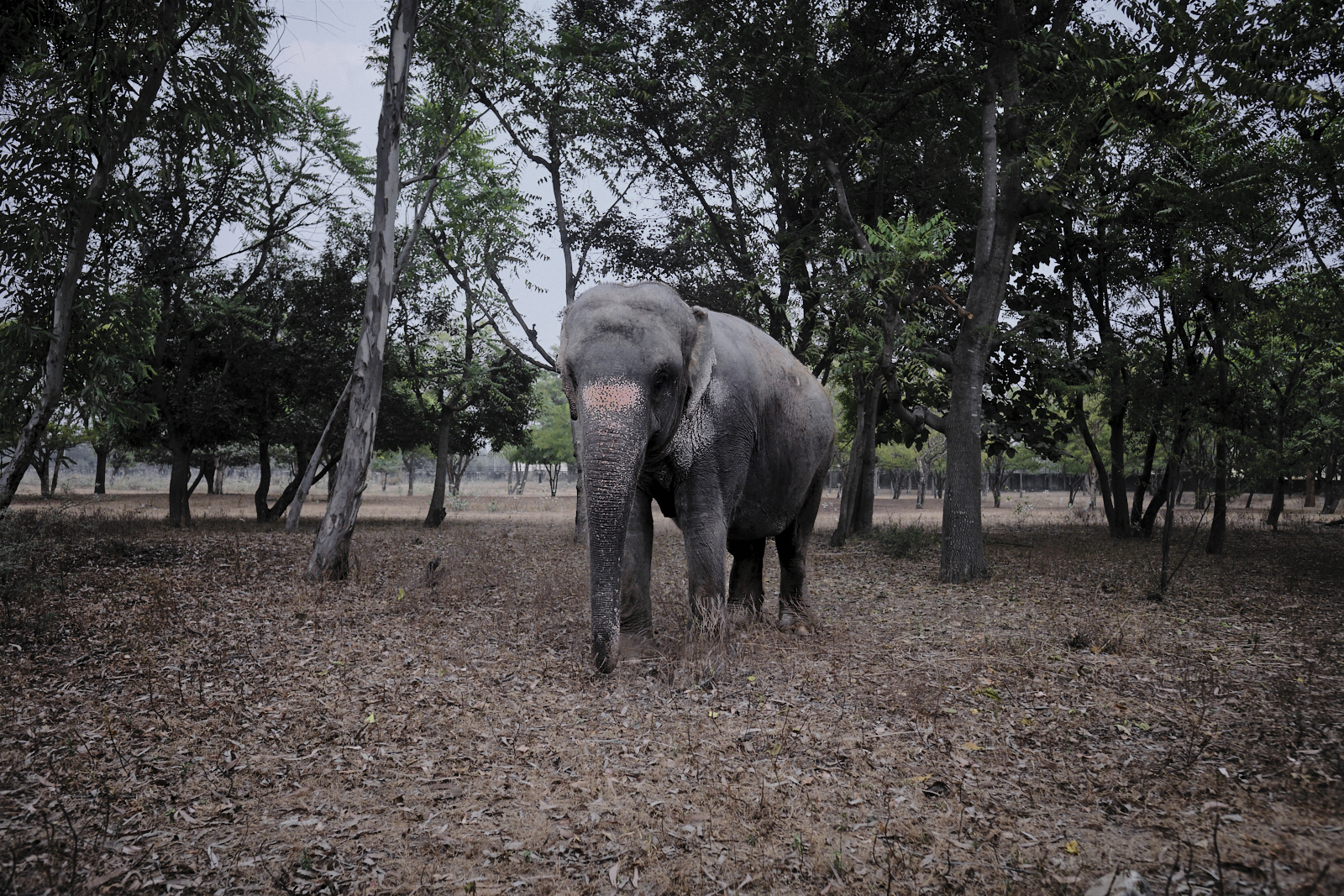
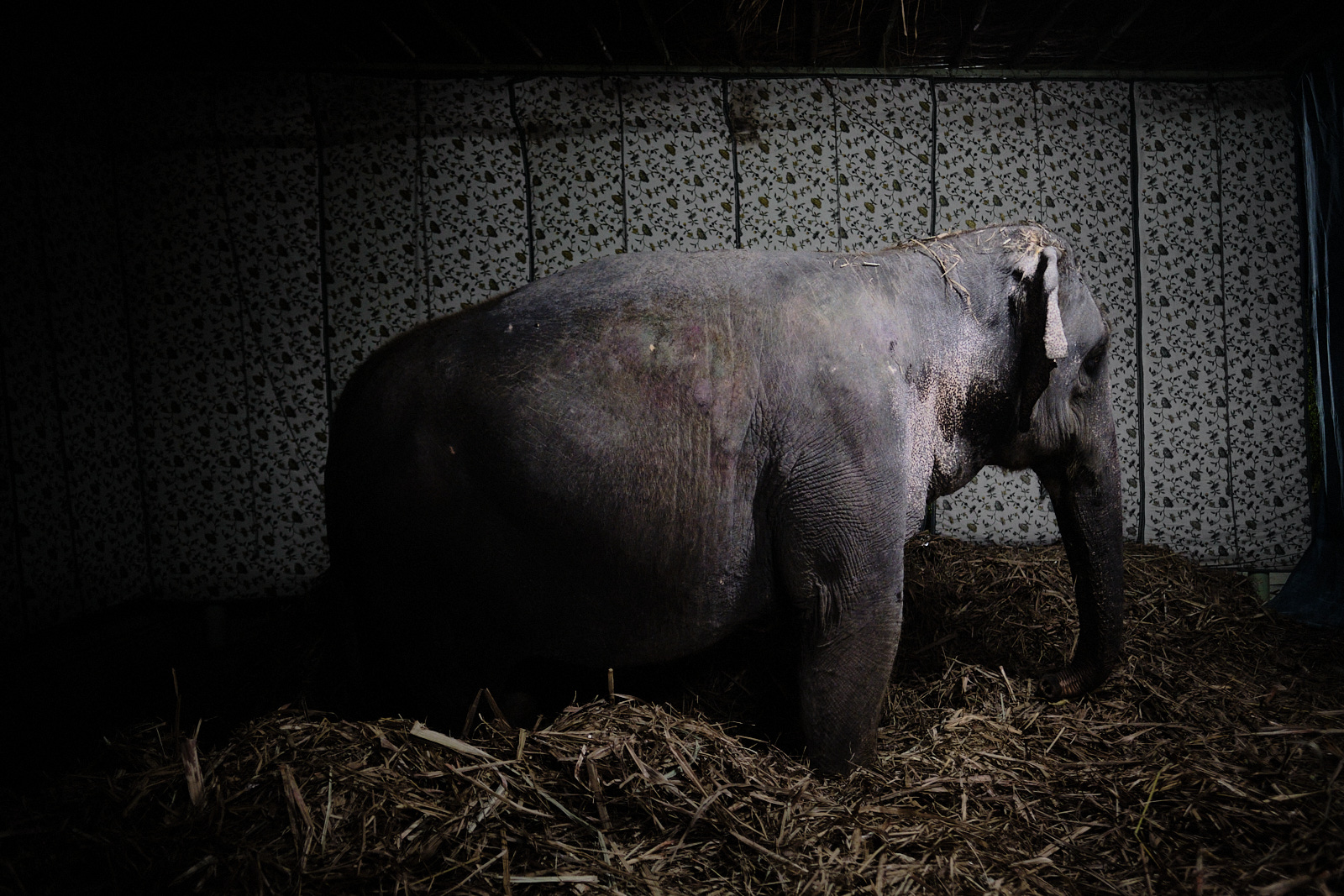
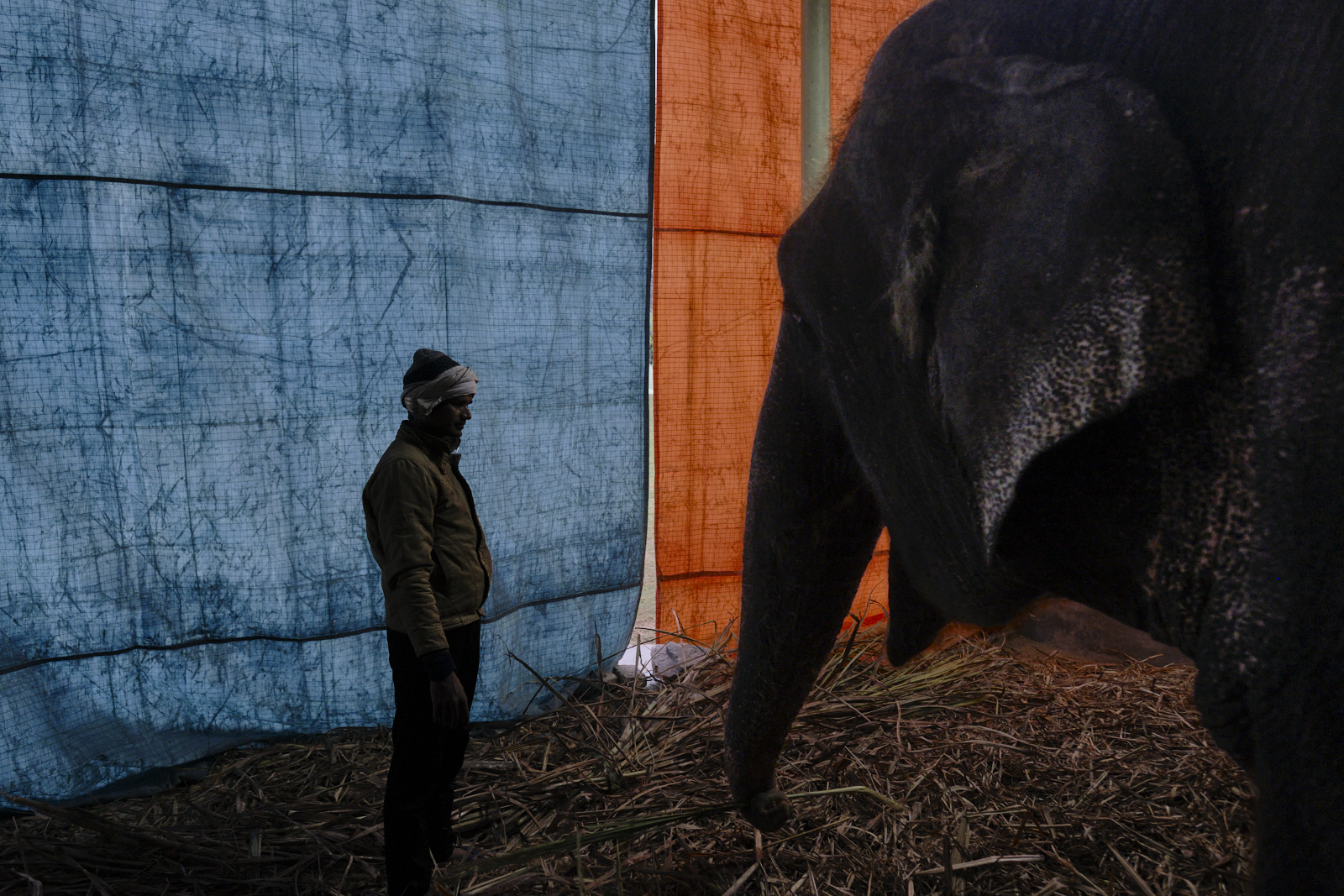
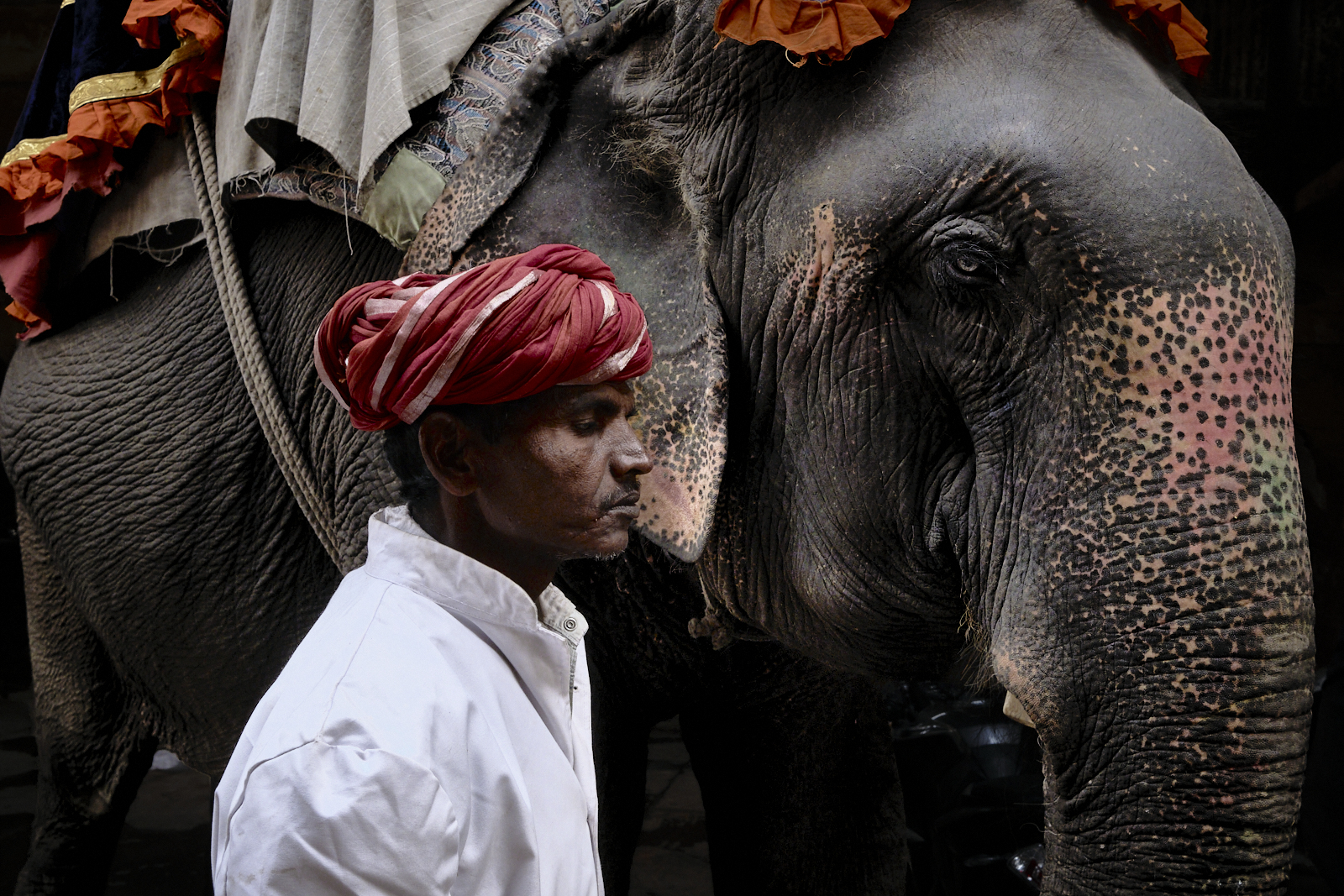
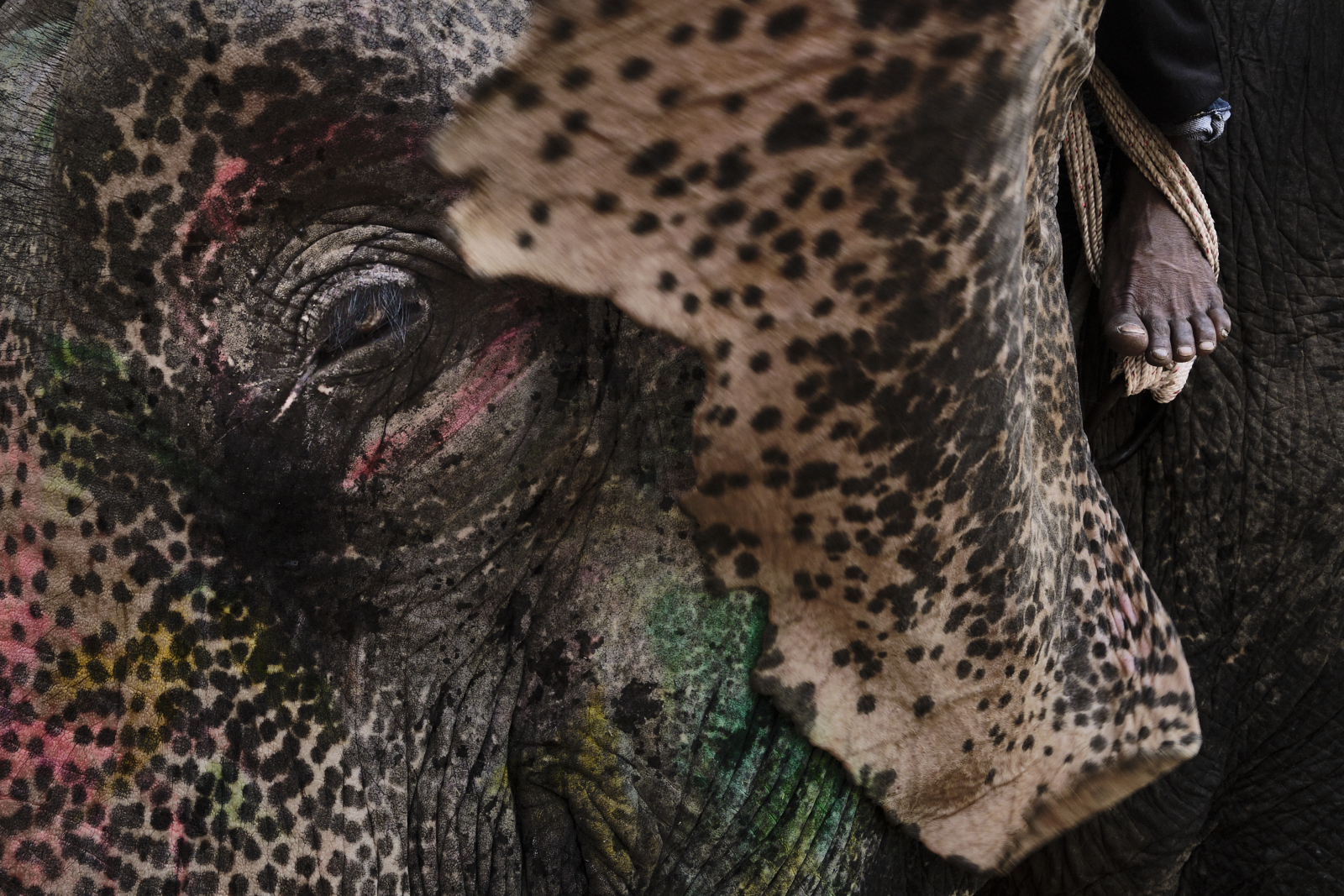
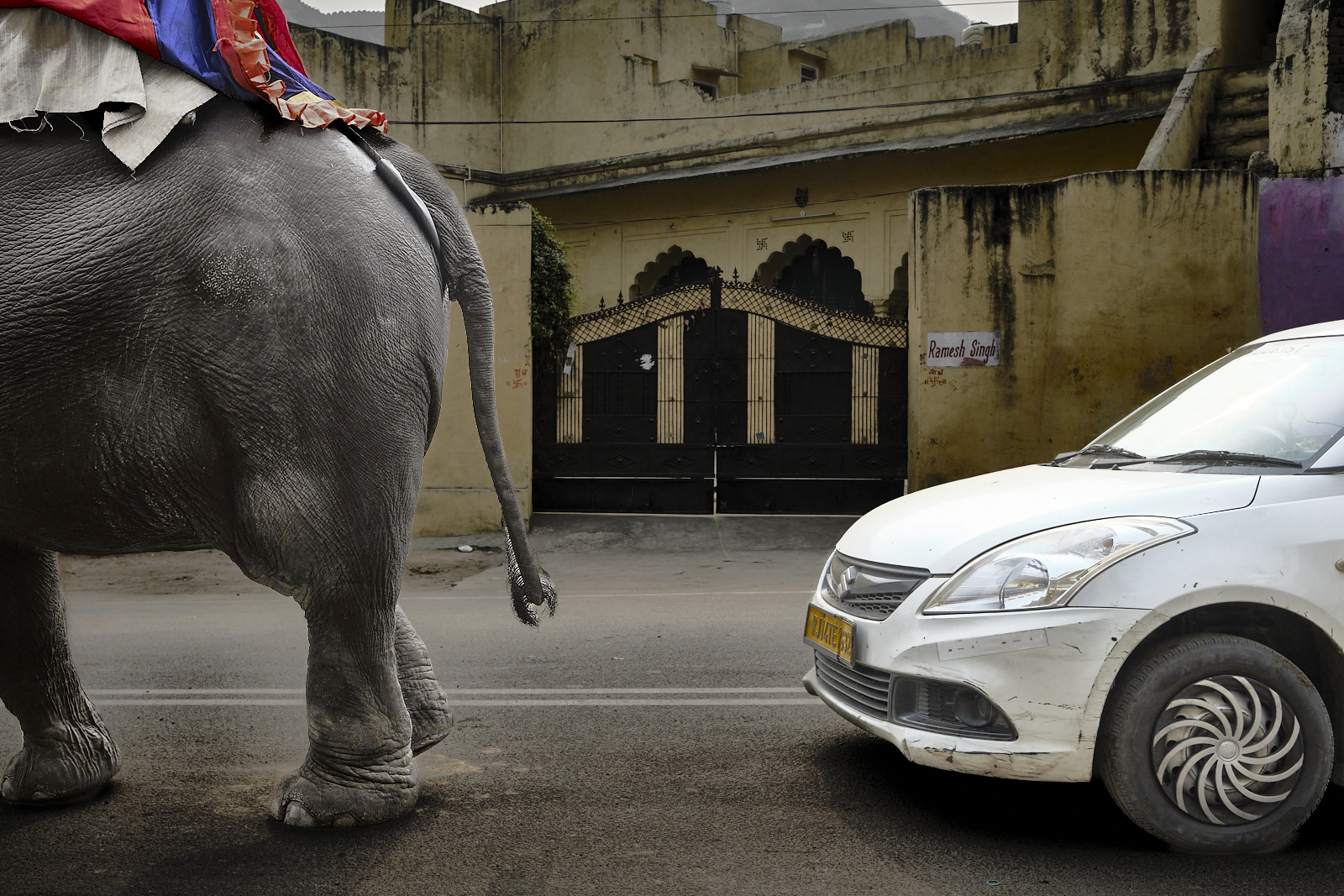
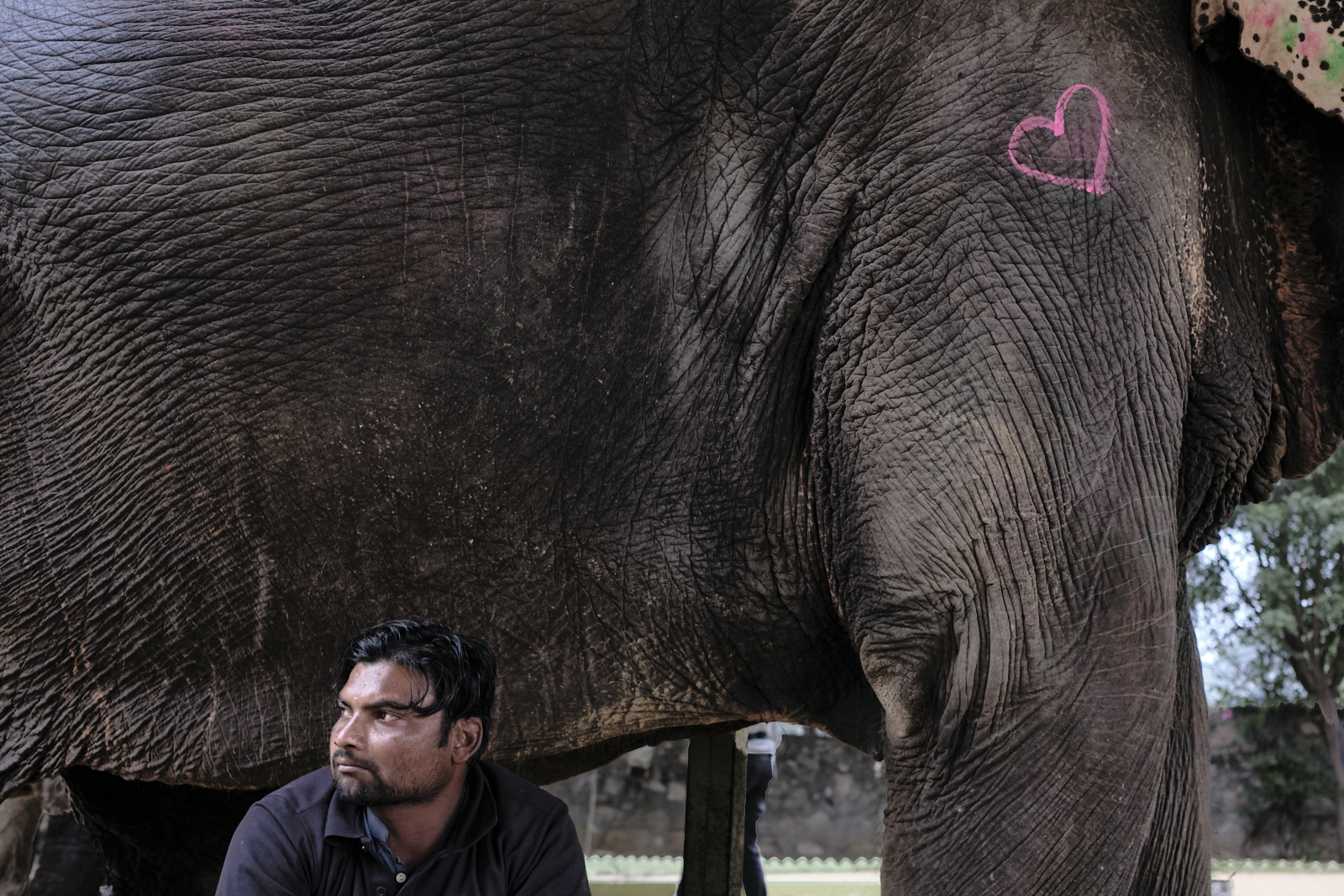
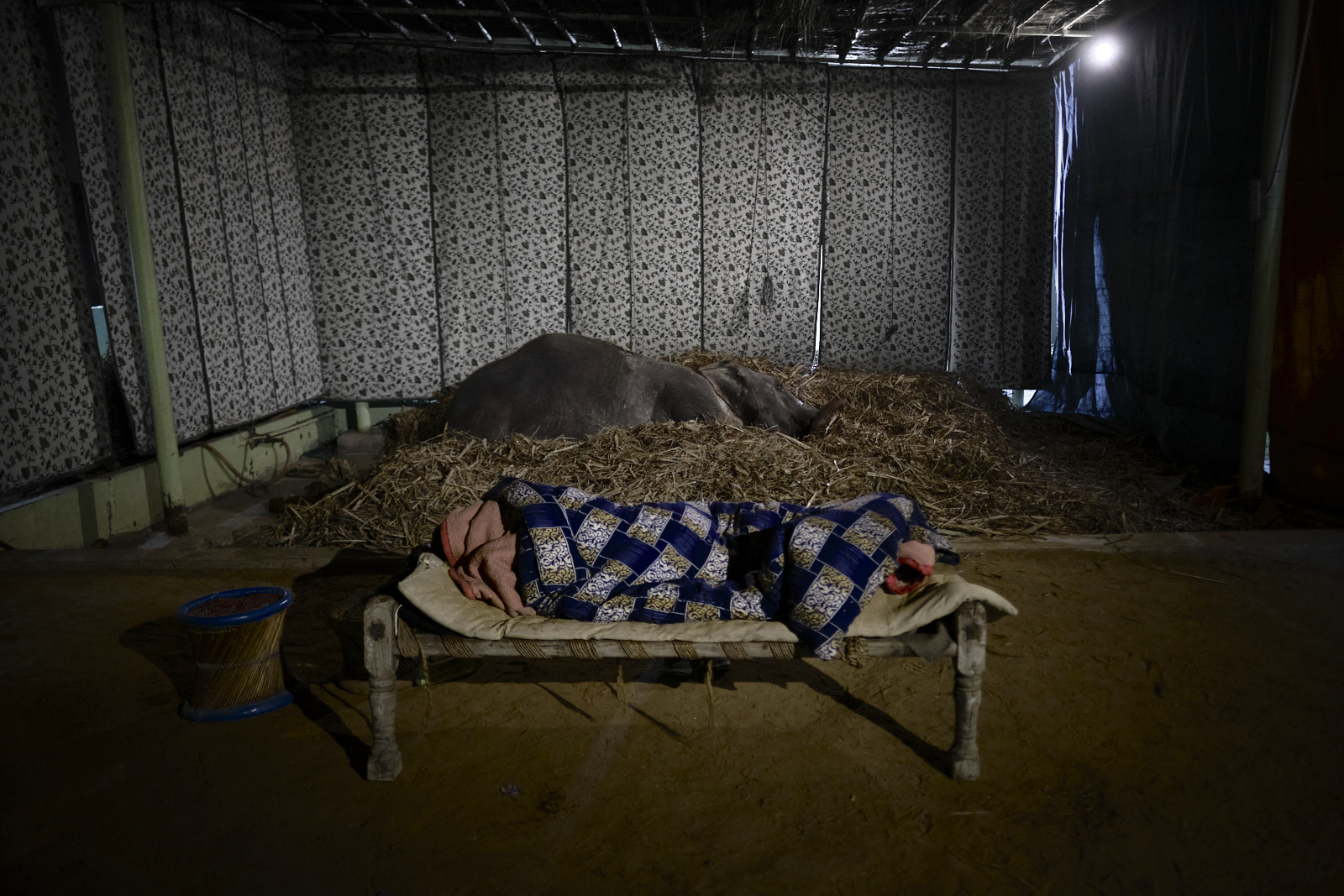
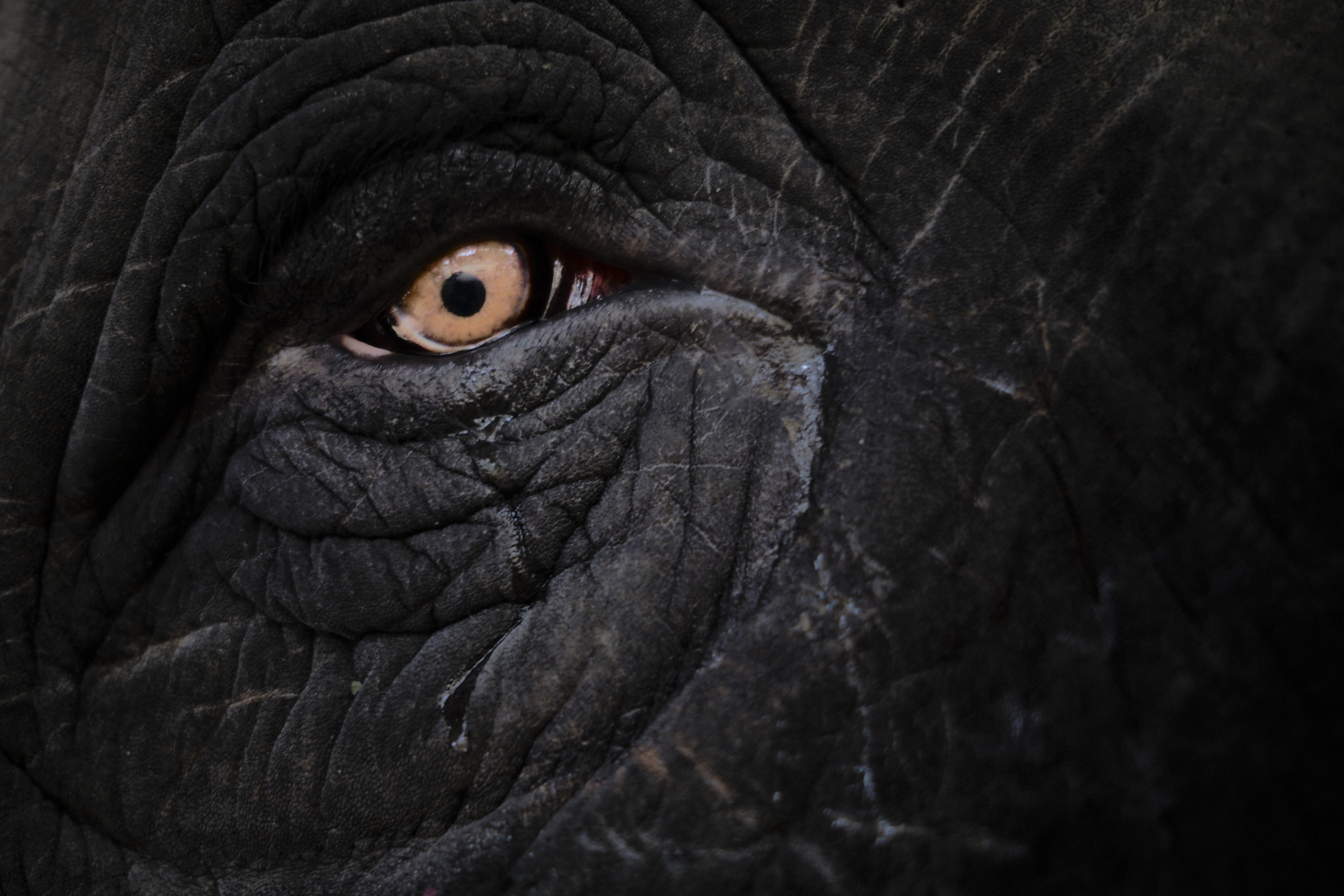
Elephants occupy a central place in the Indian cultural imagination. Ancient myths, temple inscriptions, and religious iconography portray them as cosmic bearers, sacred companions, and symbols of harmony between humans and the natural world. India is today home to the world’s largest population of Asian elephants. Yet while in southern states such as Kerala wild herds still roam protected forests, in Rajasthan elephants are born and raised entirely in captivity, their daily lives shaped almost exclusively around the demands of tourism.
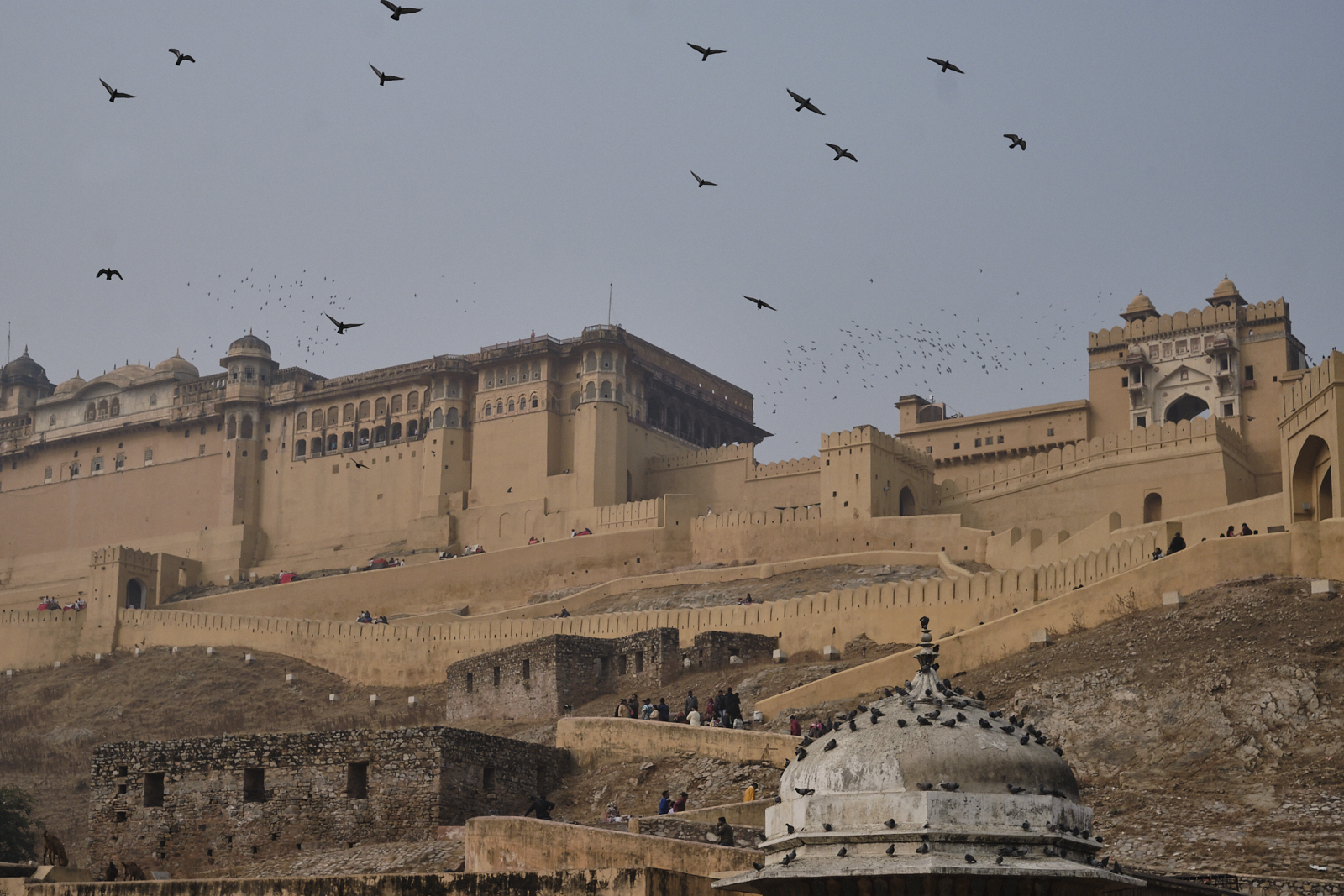
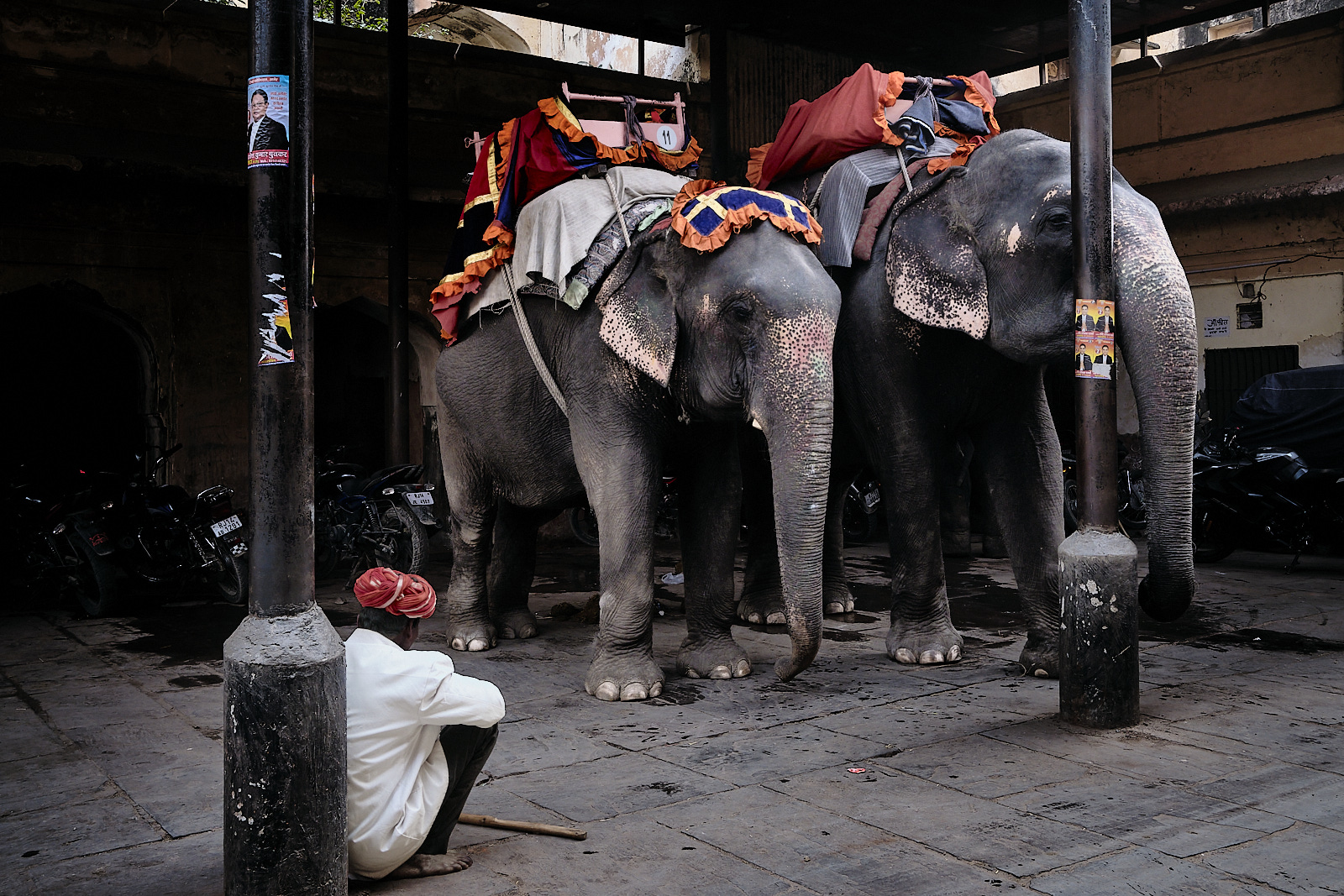
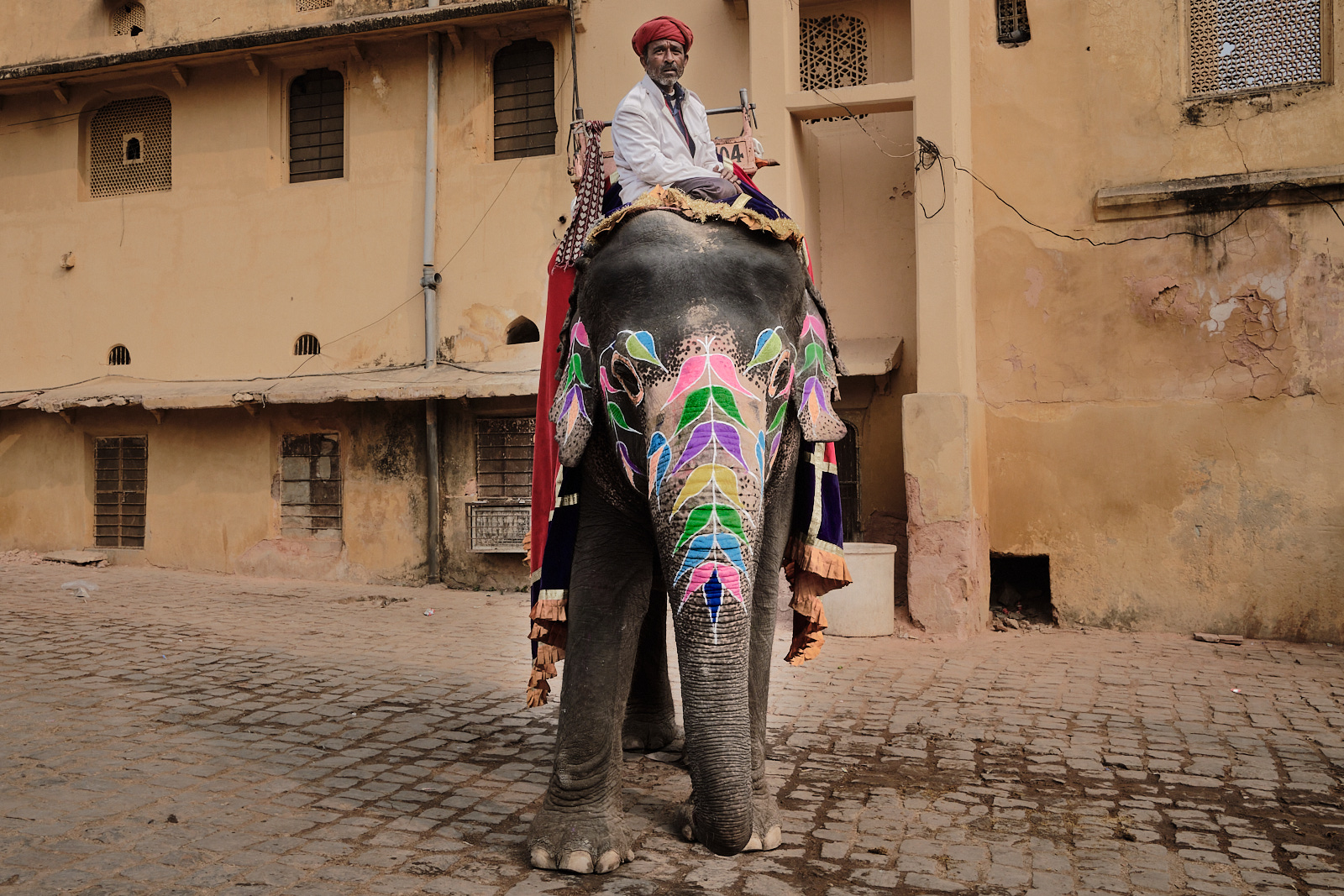
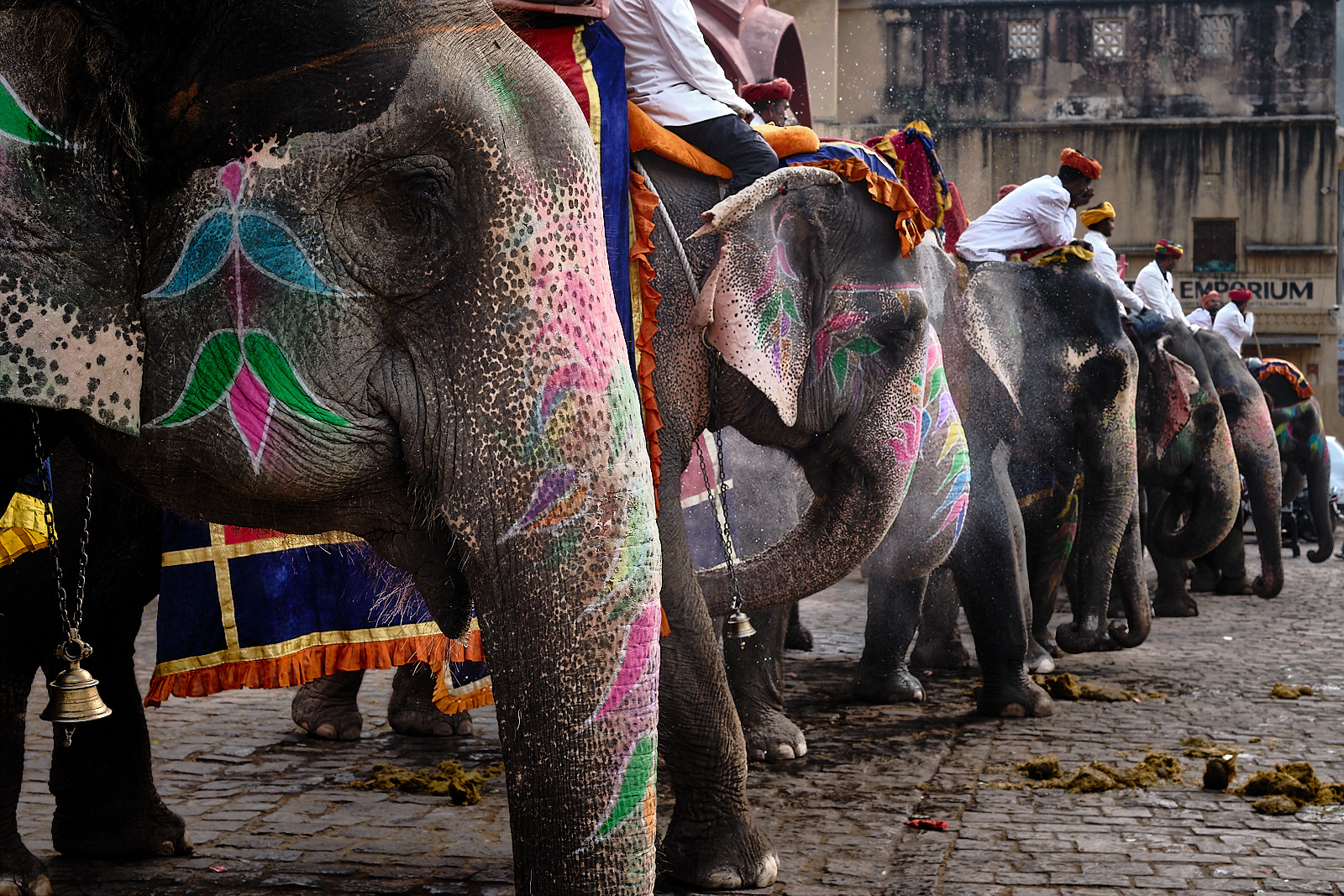
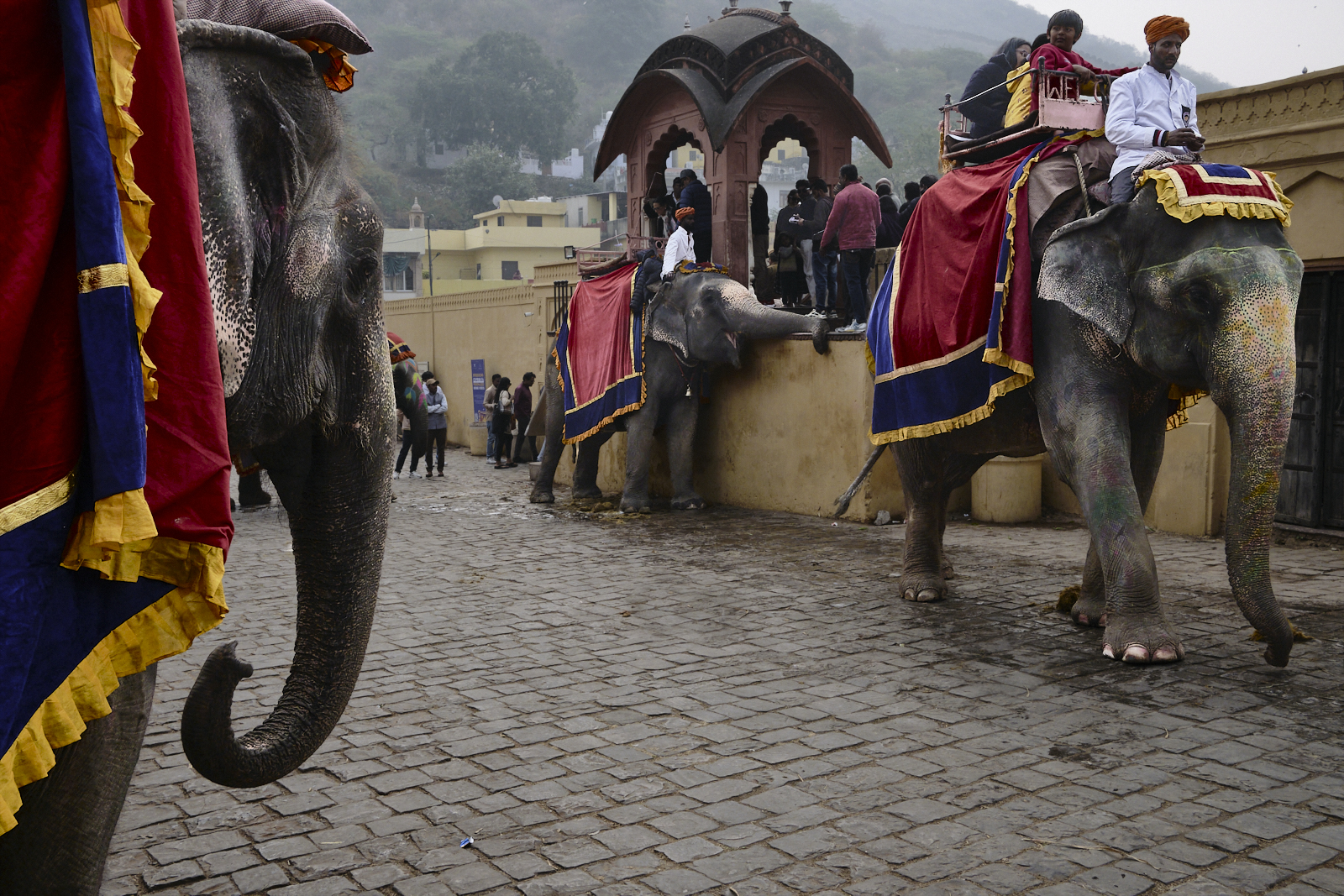
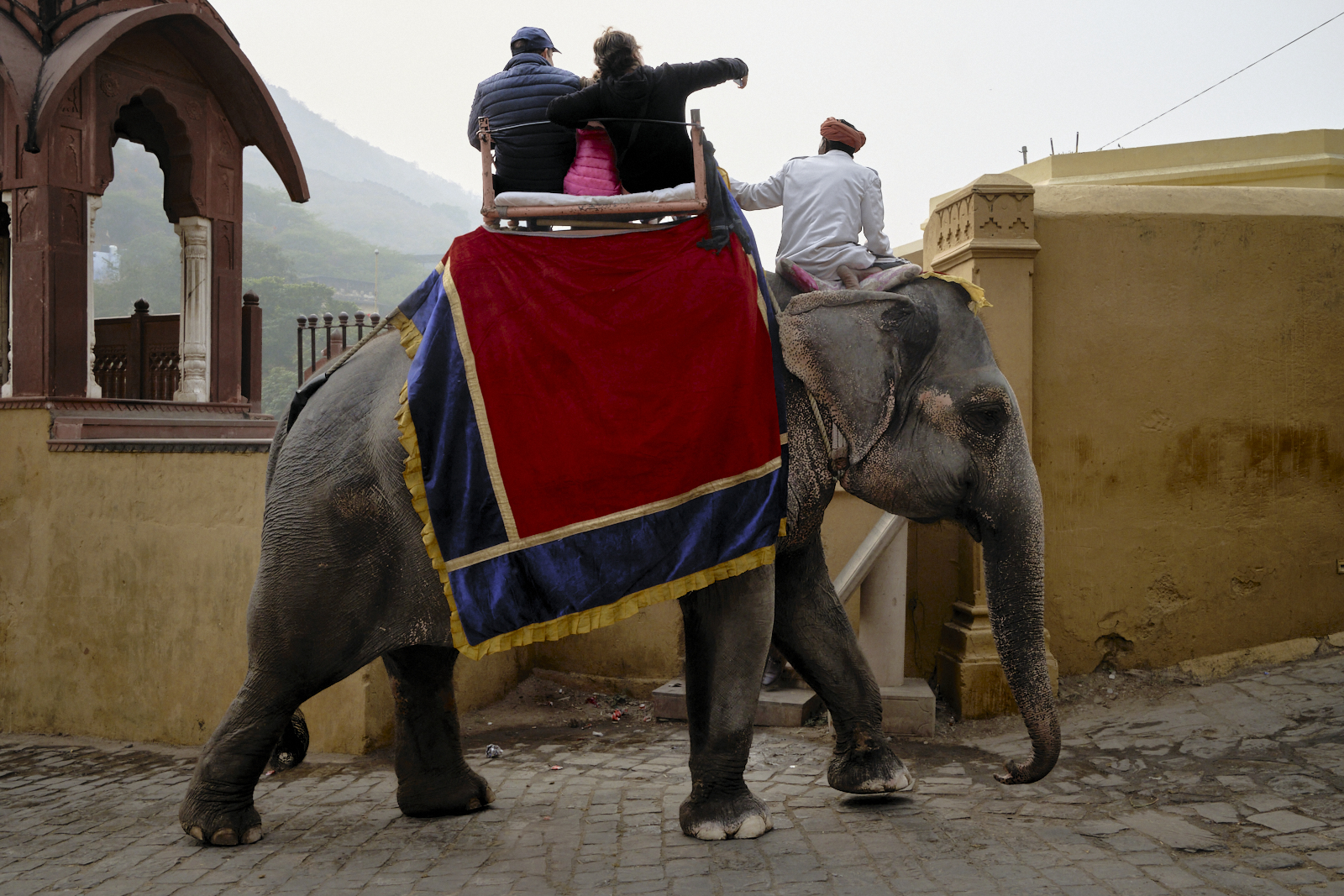
Nowhere is this more visible than around Amber Fort, near Jaipur, where around 125 elephants are employed every day for tourist safaris, rides, ceremonial displays, and photo rituals. Nationwide, India hosts an estimated 2,700 to 3,500 captive elephants, more than 75 percent of which are directly involved in tourism-related activities. In Rajasthan, elephant tourism forms part of a broader visitor economy that contributes nearly 15 percent of the state’s GDP, sustained by more than 50 million annual tourists and a growing market for personalised “experiences.”
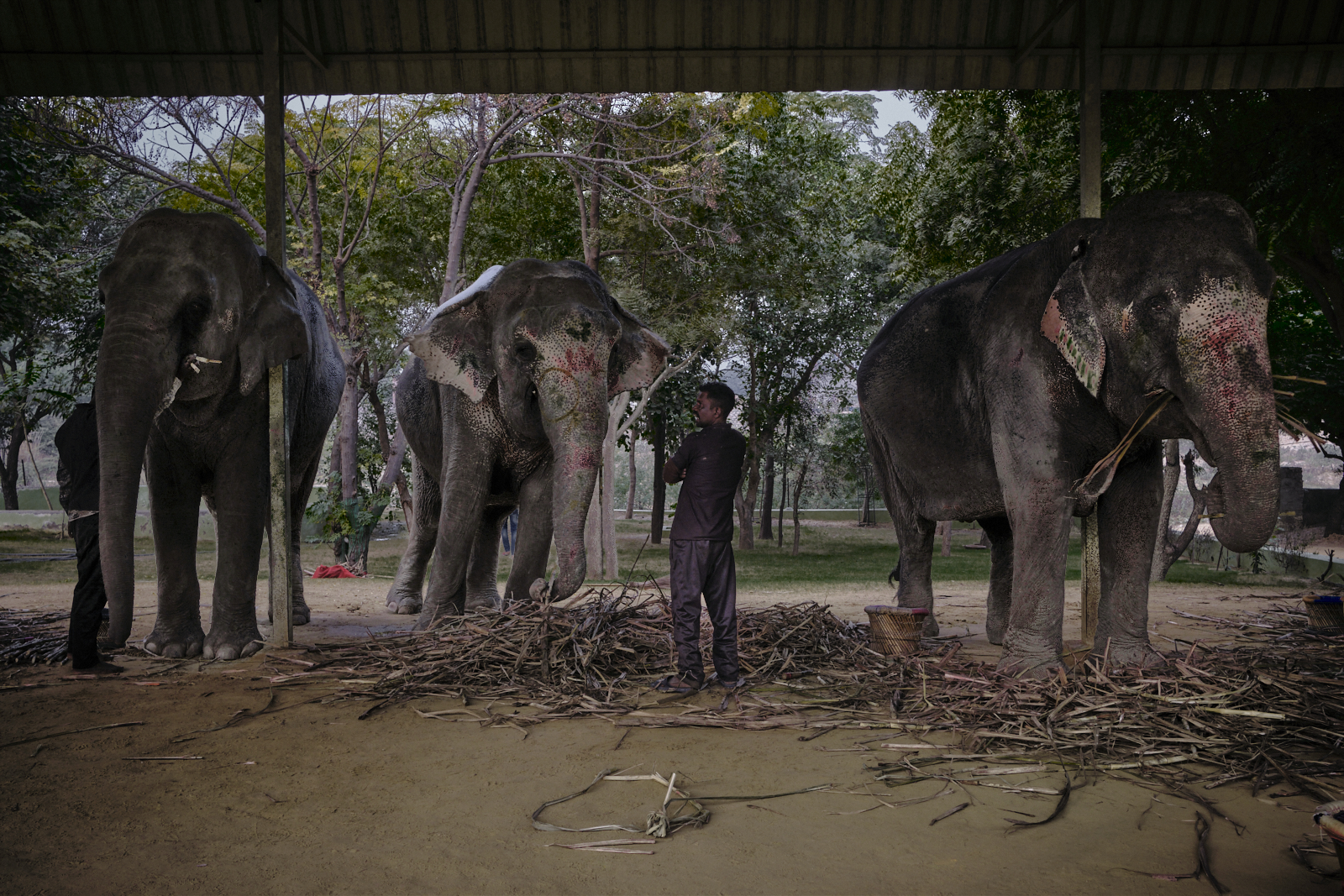
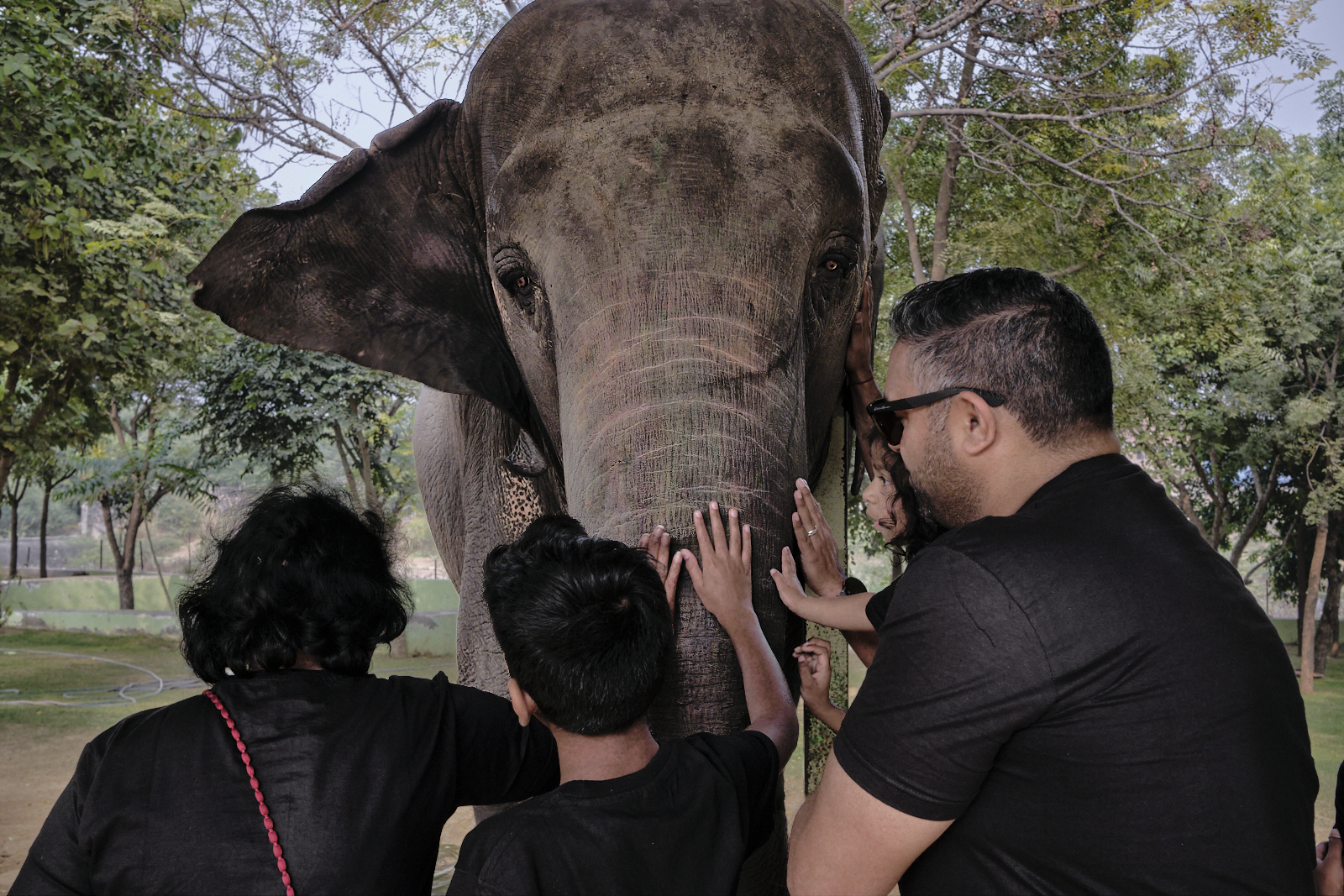
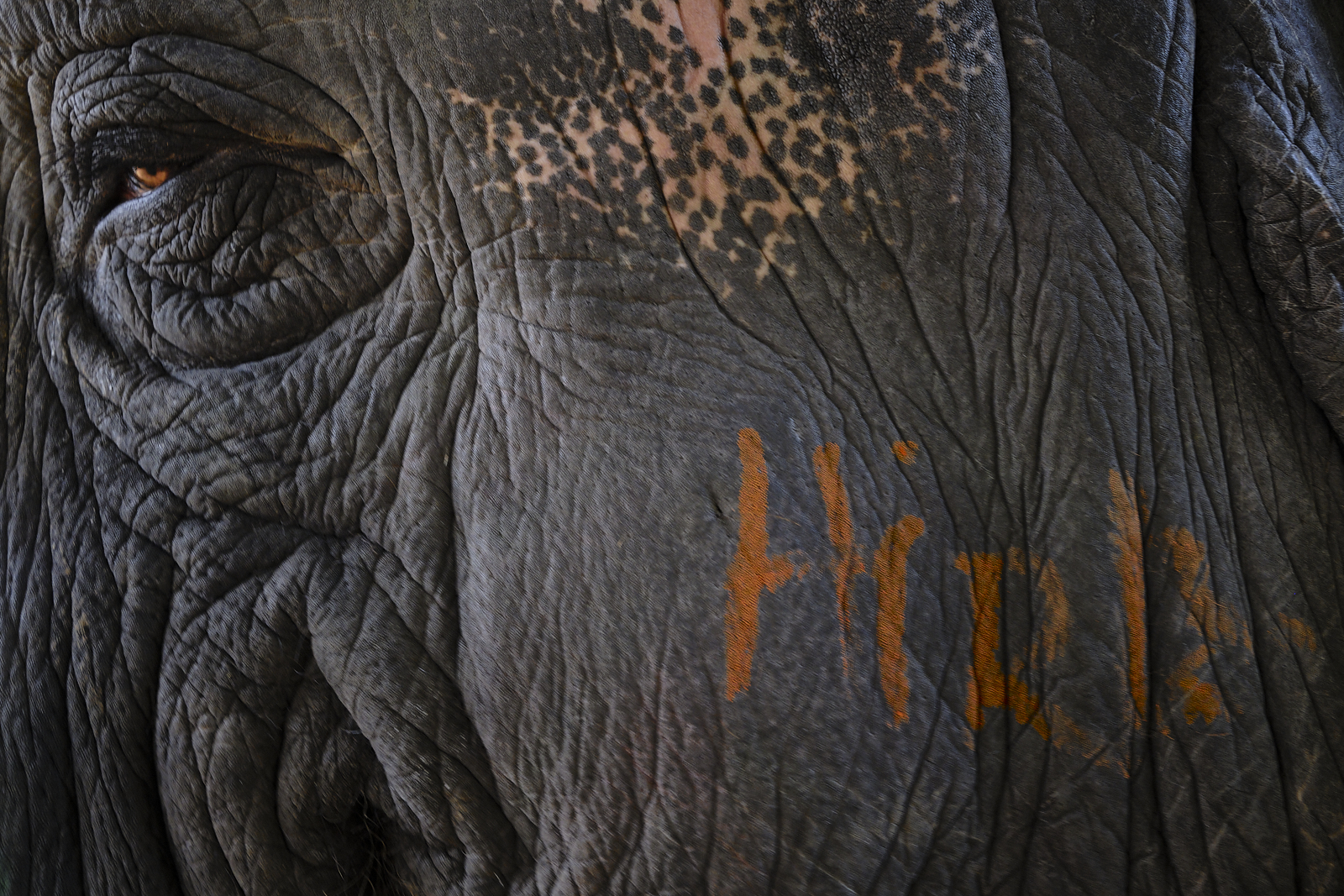
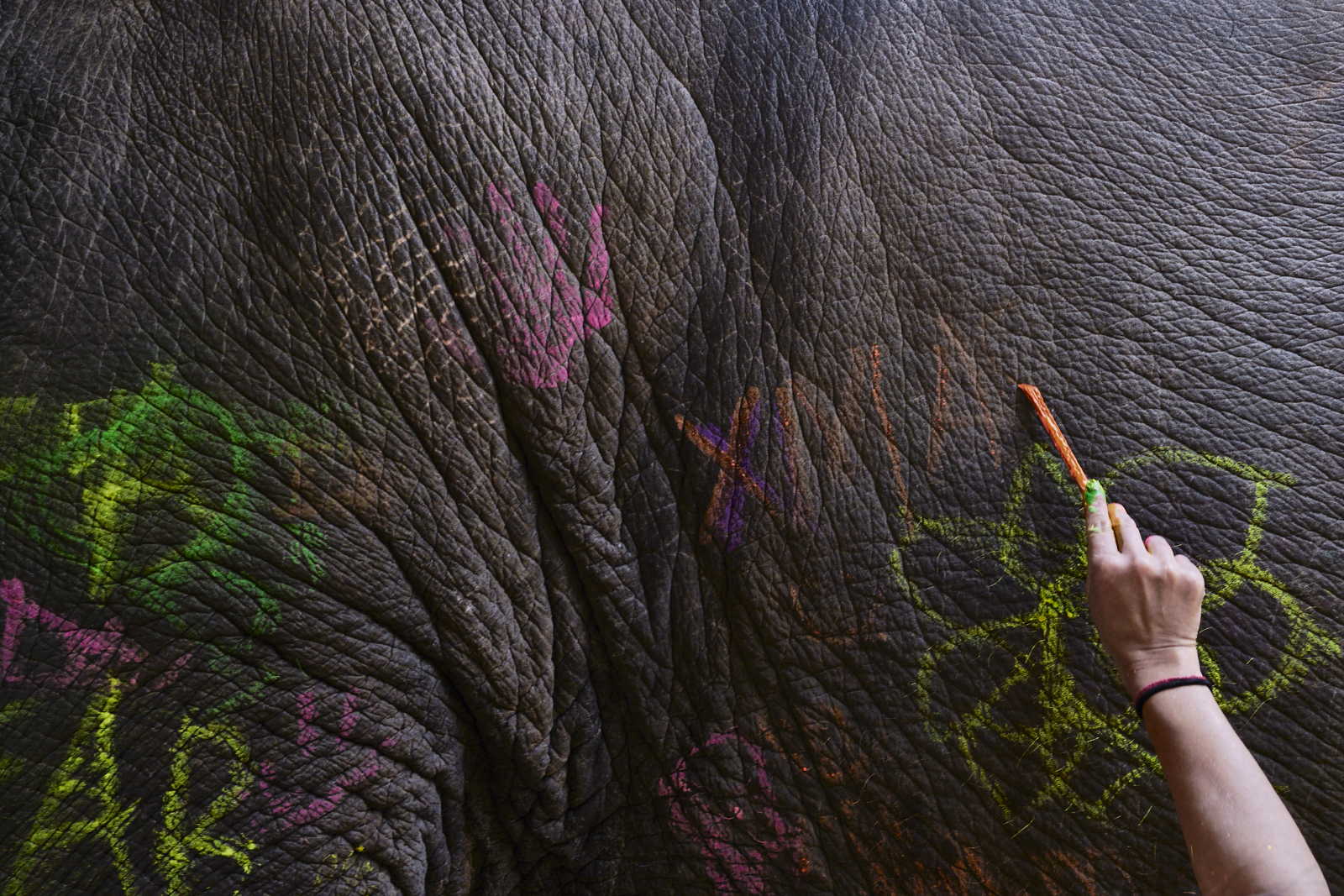
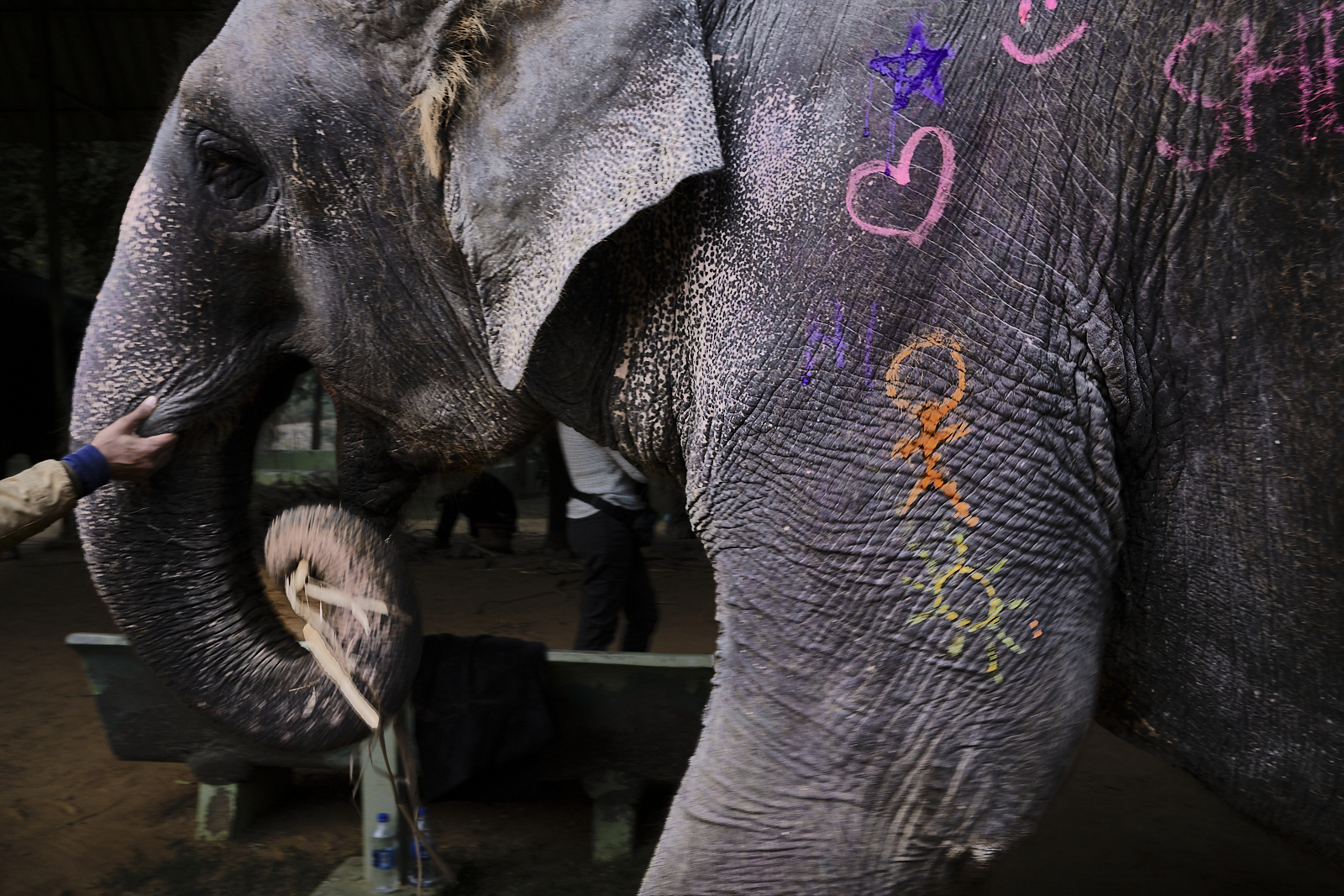
Within this system, many sanctuaries originally established to house rescued or abused elephants have gradually transformed into full-scale tourist attractions. Activities such as elephant-back rides, decorative painting sessions, guided feeding, and overnight stays are increasingly marketed as ethical or immersive encounters. The language used to promote these experiences plays a crucial role in shaping public perception. Elephants are frequently described as “domesticated,” a term that obscures their status as wild animals and normalises prolonged chaining, restricted movement, and constant proximity to humans.
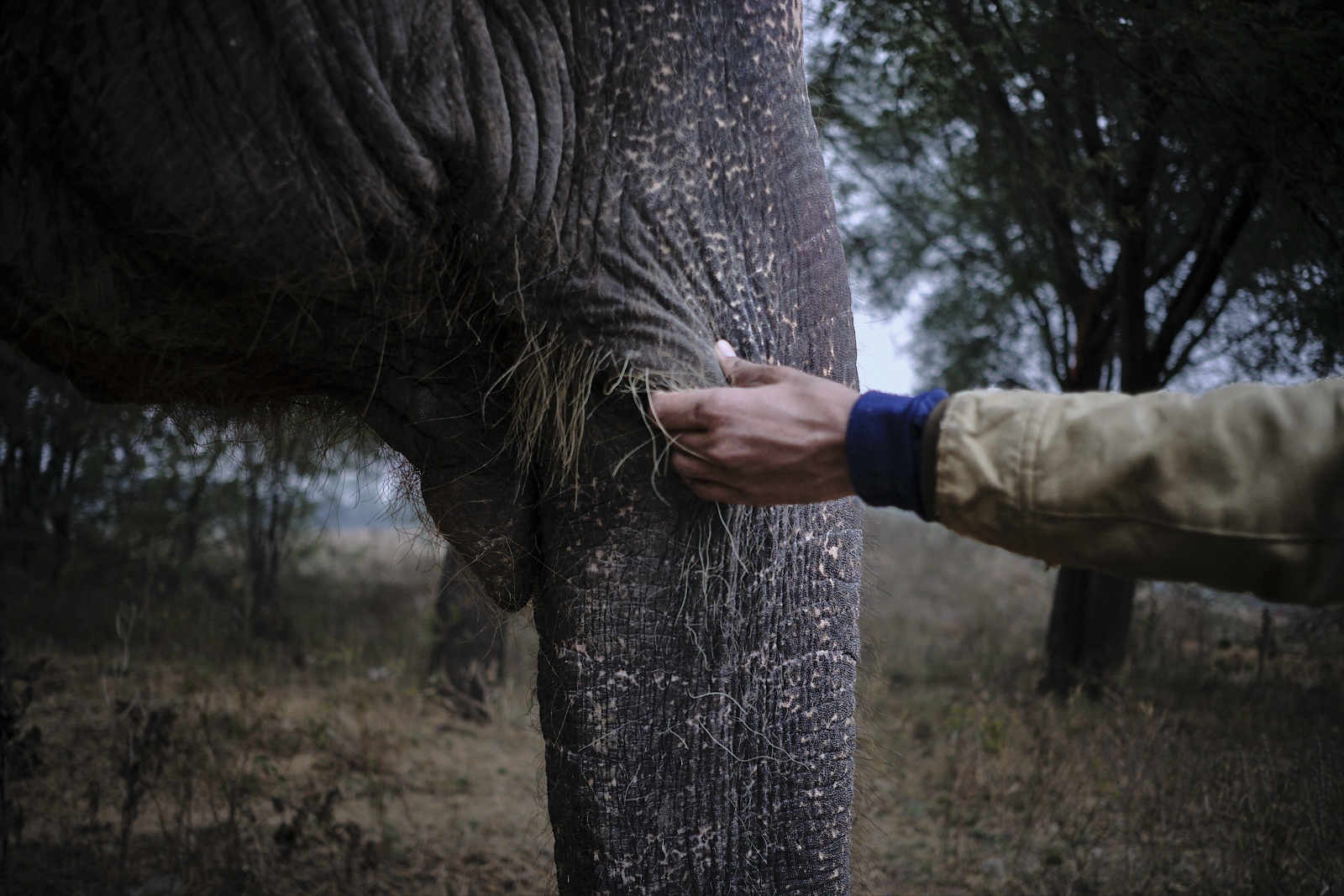
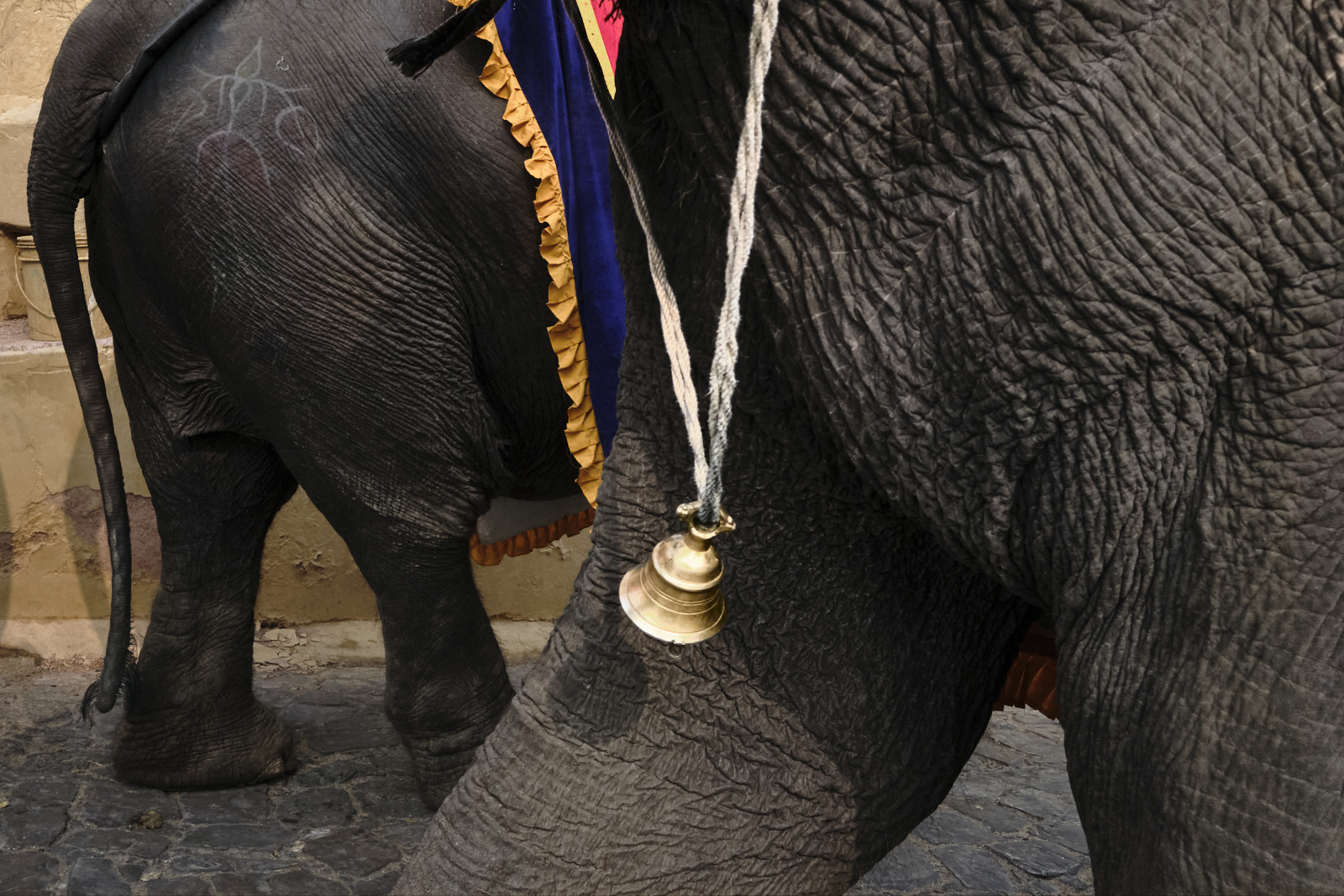
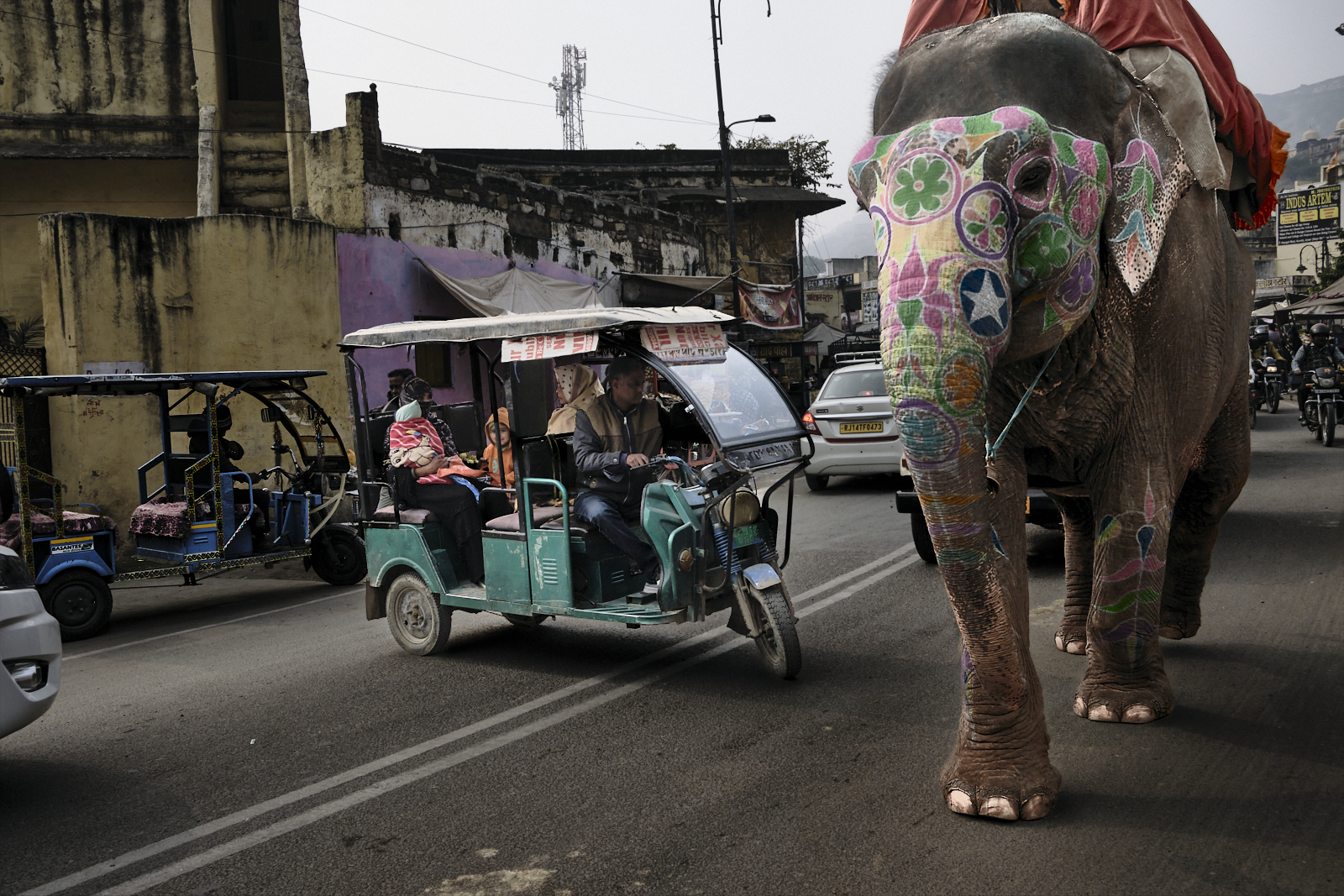
The few minutes a visitor spends riding or photographing an elephant reveal little about the animal’s broader condition or the training methods that made such encounters possible. Behaviours presented as playful or exotic (painting, posing, performing() are far removed from natural elephant activity. While tourists often admire the animals’ size and apparent calm, they rarely witness the long hours of inactivity, social isolation, and permanent confinement that define daily life in captivity.
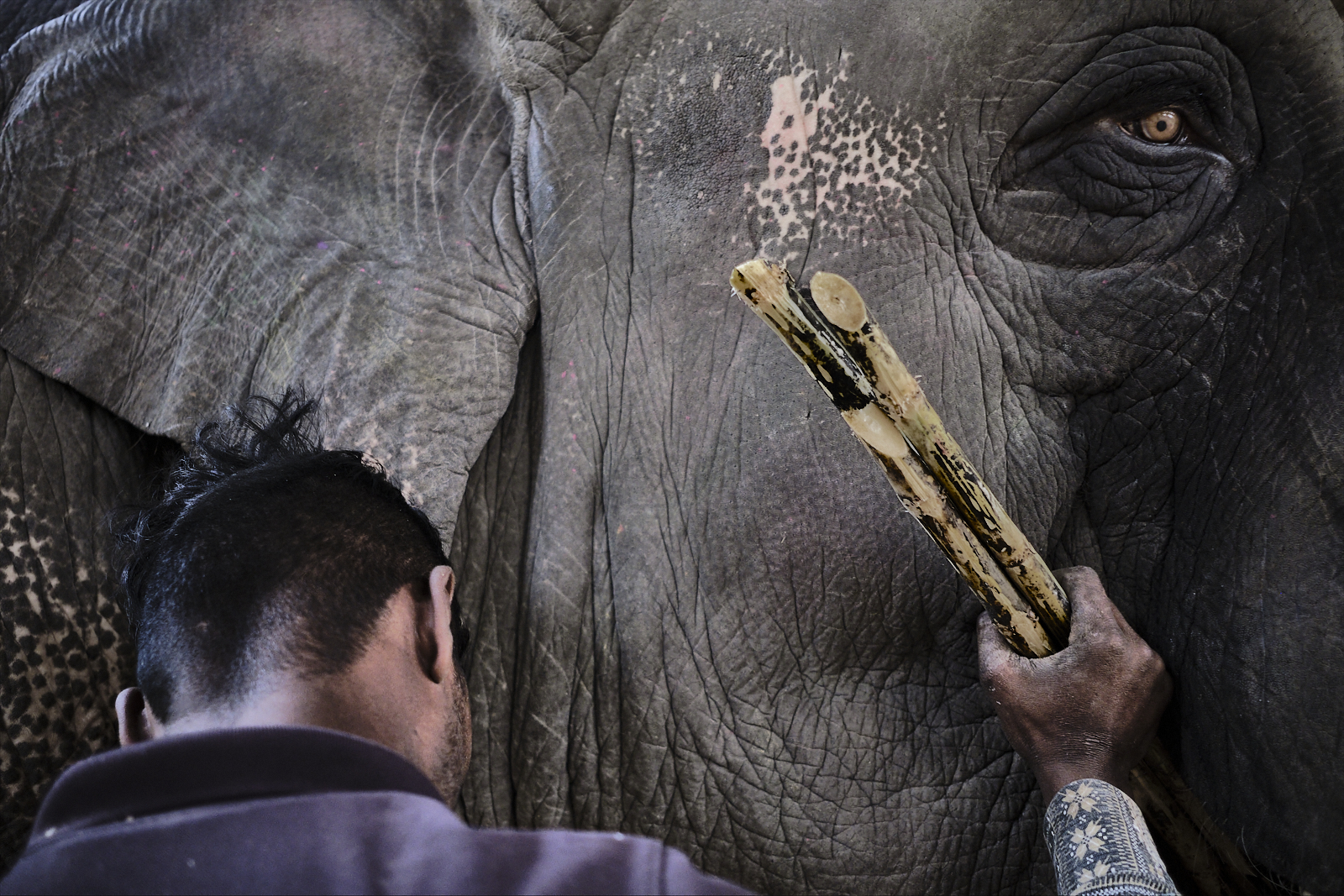
Behind the tranquil appearance of many sanctuaries, welfare conditions frequently fall short of basic ethological needs. Recent studies indicate that captive elephants involved in tourism sleep on average only three to four hours per night, disrupted by noise, inadequate rest areas, and movements dictated by hospitality schedules. Diets are often monotonous or excessively caloric, diverging sharply from the diverse seasonal foraging elephants rely on in the wild, with long-term consequences for health and behaviour.
These concerns unfold within a legal grey area. Amendments to India’s Wildlife Protection Act in 2022, followed by the 2024 Captive Elephant Transfer Rules, have expanded the legal scope for moving elephants for religious, cultural, and tourism-related purposes. Animal welfare groups warn that this regulatory flexibility risks enabling abuse and disguised trafficking, particularly in high-demand tourist hubs such as Jaipur. The case of Malti, a female elephant long employed at Amber Fort and relocated only after an international campaign, exposed the fragility of existing safeguards.
As tourism continues to expand, a growing debate questions whether elephants can,or should, remain part of this economy. Alternative models, based on observation, education, and non-coercive interaction, demonstrate that conservation and livelihoods need not depend on spectacle. In Rajasthan, the future of elephant tourism increasingly reflects a broader tension between cultural symbolism, economic dependency, and the ethical limits of using wildlife as entertainment.