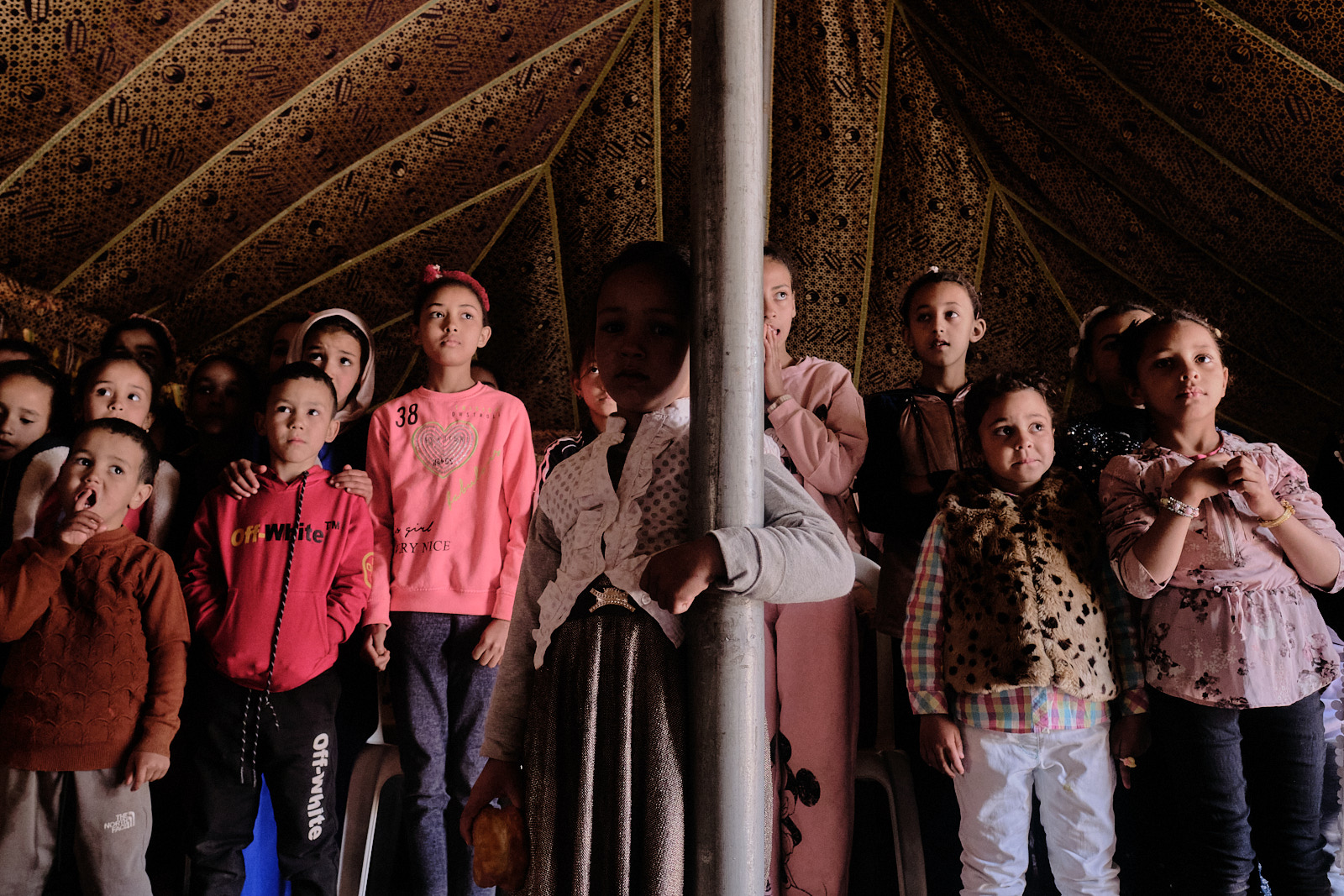
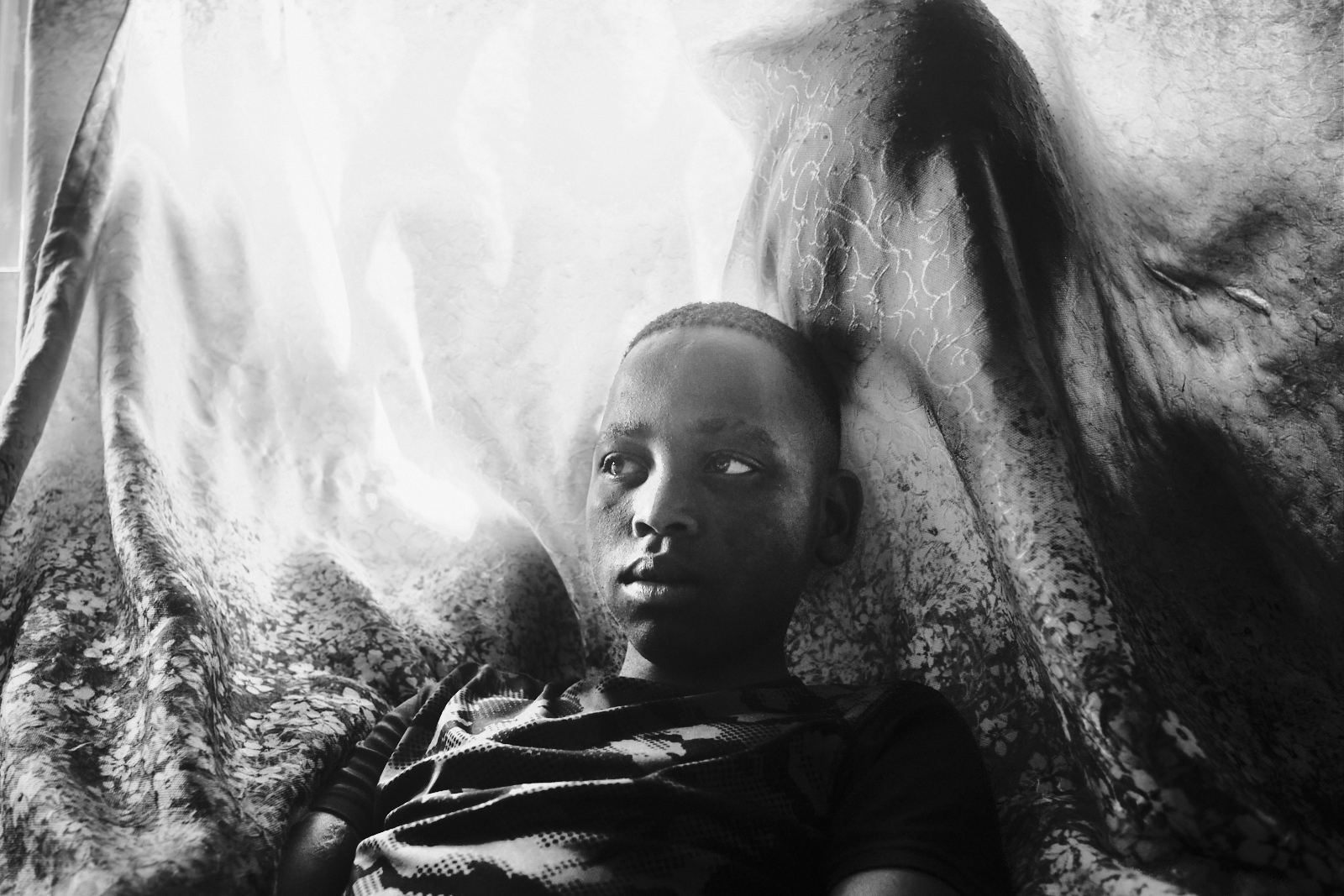
Kenya is a young country. More than 60 percent of its population is under the age of 25, and according to the 2019 census nearly 8 million people are between 15 and 24 years old. Of these, around 2.6 million live in urban areas. In recent years, urban poverty has increased sharply, accelerated by the COVID-19 pandemic, reaching 42.9 percent in 2020 and hitting hardest those communities already living on the margins. In Nairobi, over 60 percent of residents live in informal settlements such as Kibera, where access to basic services remains critically limited. It is in these spaces that economic deprivation intertwines with emotional fragility, creating a cycle that begins in childhood and is difficult to break.
Violence against children is widespread. A 2018 UNICEF survey found that 79 percent of boys and 76 percent of girls in Kenya experienced physical, sexual, or emotional violence before the age of 18. Nationally, 42 percent of children live in economic poverty. According to the World Health Organization, these outcomes are closely linked to the intensity of pressure experienced during key stages of development. In contexts such as Nairobi’s informal settlements, these pressures manifest most sharply within family relationships, which are often fragile, unstable, or marked by absence.
Many young people describe households where parents are emotionally distant or unable to provide protection and listening. In this environment, children frequently seek belonging among peers, where acceptance can come at the cost of substance use. Glue, petrol, and other inhalants are commonly used, interfering with brain development and causing permanent physical harm. Mental health data remains limited, but the National Commission on Human Rights estimates that between 25 and 40 percent of patients, both outpatient and hospitalist, experience mental health-related conditions, including depression, anxiety, stress, and substance abuse.
Within this landscape, community-based initiatives play a central role. In neighbourhoods such as Tsunami, Kibera, and Kivuli, educators and social workers linked to the Koinonia Community network operate a constellation of centres that focus on rehabilitation, reintegration, and long-term support. Each year, the Ndugu Mdogo centre alone welcomes around 40 children from the streets; since 2005, more than a thousand have passed through its programme before returning to their families.
The work extends beyond individual care. Trauma is understood as relational, shaped by family dynamics and transmitted across generations through what educators describe as poor or absent parenting. In response, community parenting models are being developed, based on shared responsibility, presence, and trust. Older children, neighbours, and peers become part of a distributed network of care, offering forms of attachment many have never experienced.
At the centre of this process lies a fragile but decisive step: allowing children to confront questions such as Who am I? and Who do I want to become? These fundamentals can only emerge when safety, time, and care exist. In places long defined by deprivation, mental health becomes not only a matter of healing, but a precondition for imagining a different future for individuals, and their country.