SAMA DILAUT:
A LIFE ON WATER's EDGE
Once sea nomads, the Sama Dilaut are now facing a transition to a new sedentary life, between a lack of citizenship recognition and new forms of livelihood.
BARMM, South Philippines
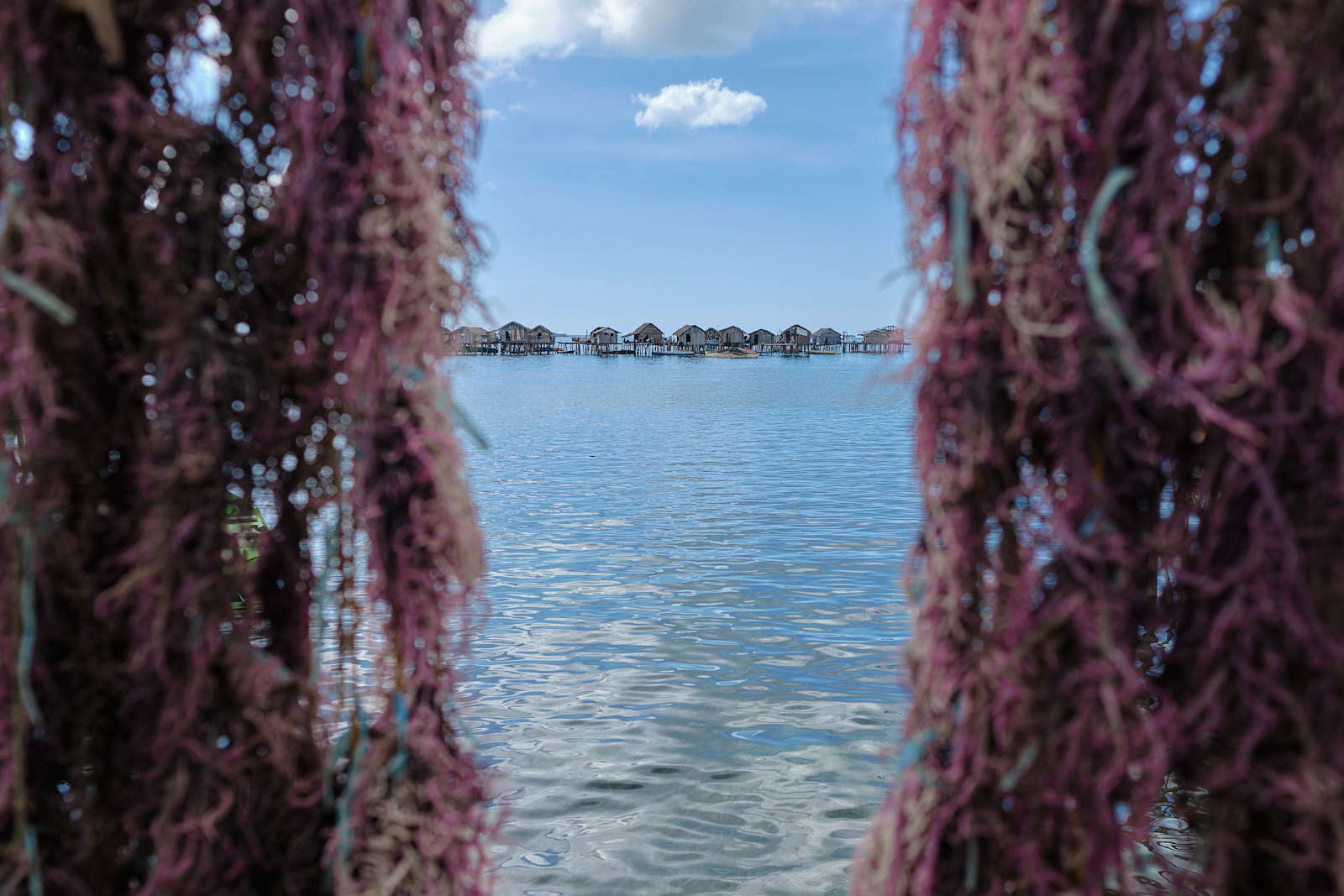
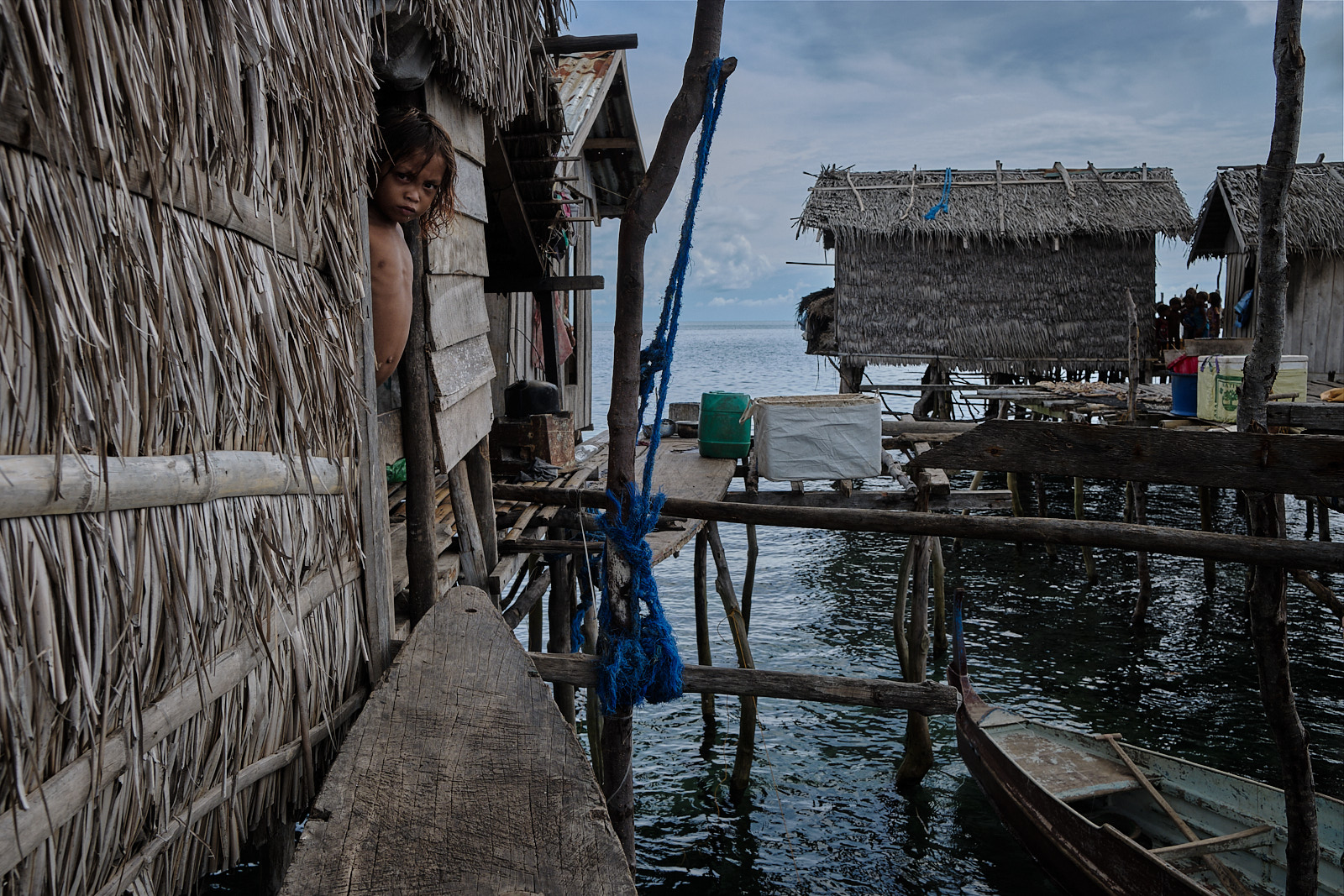
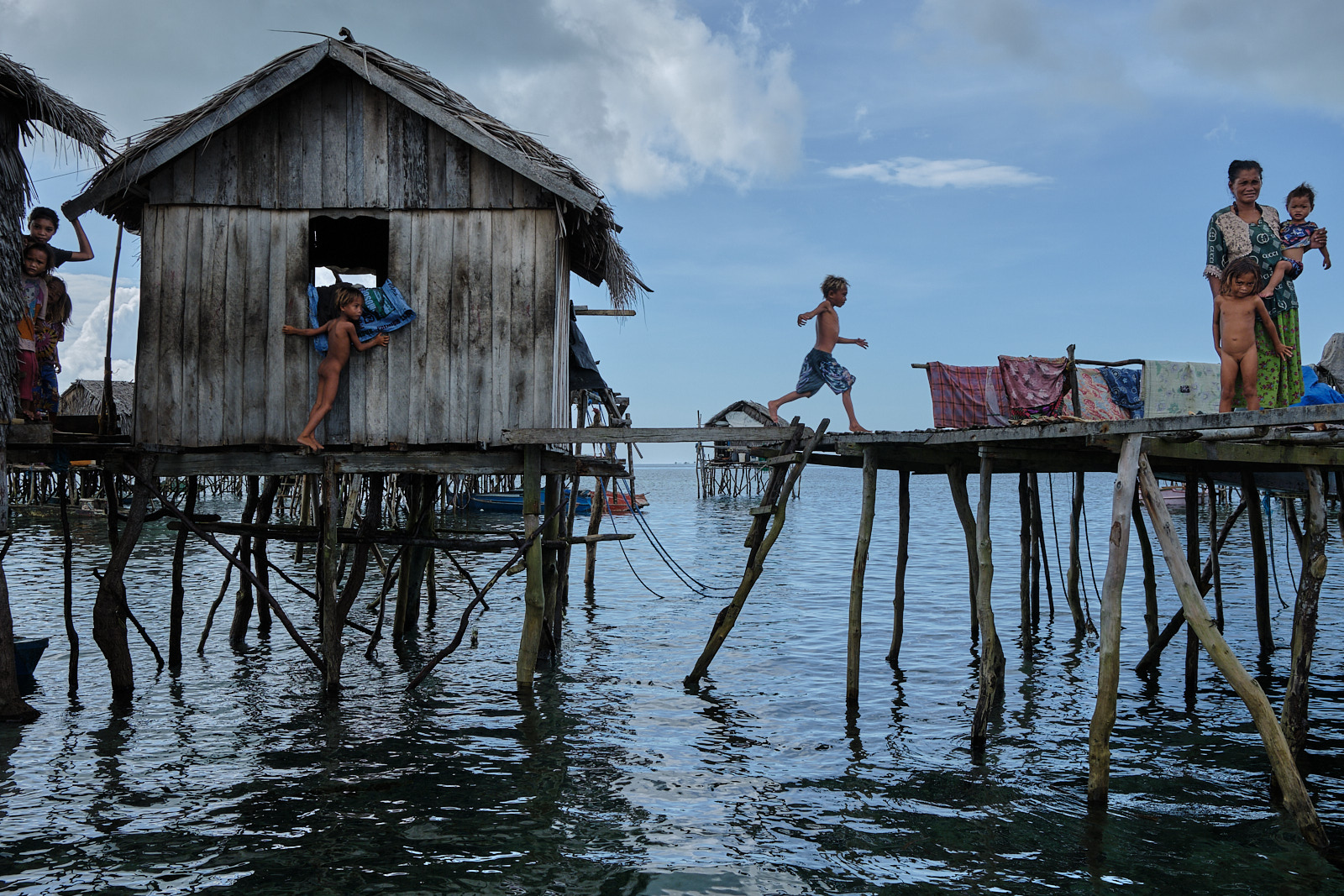
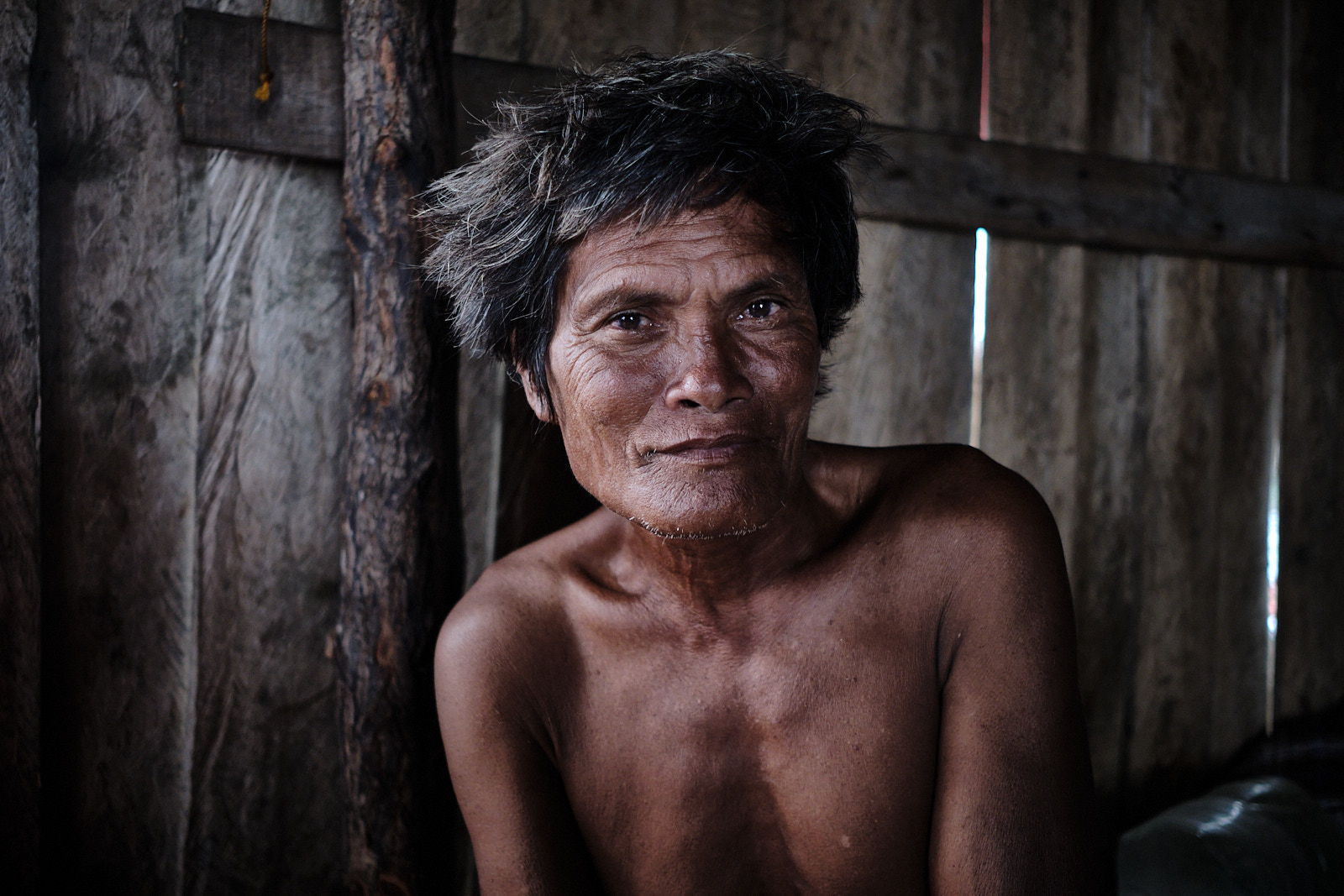
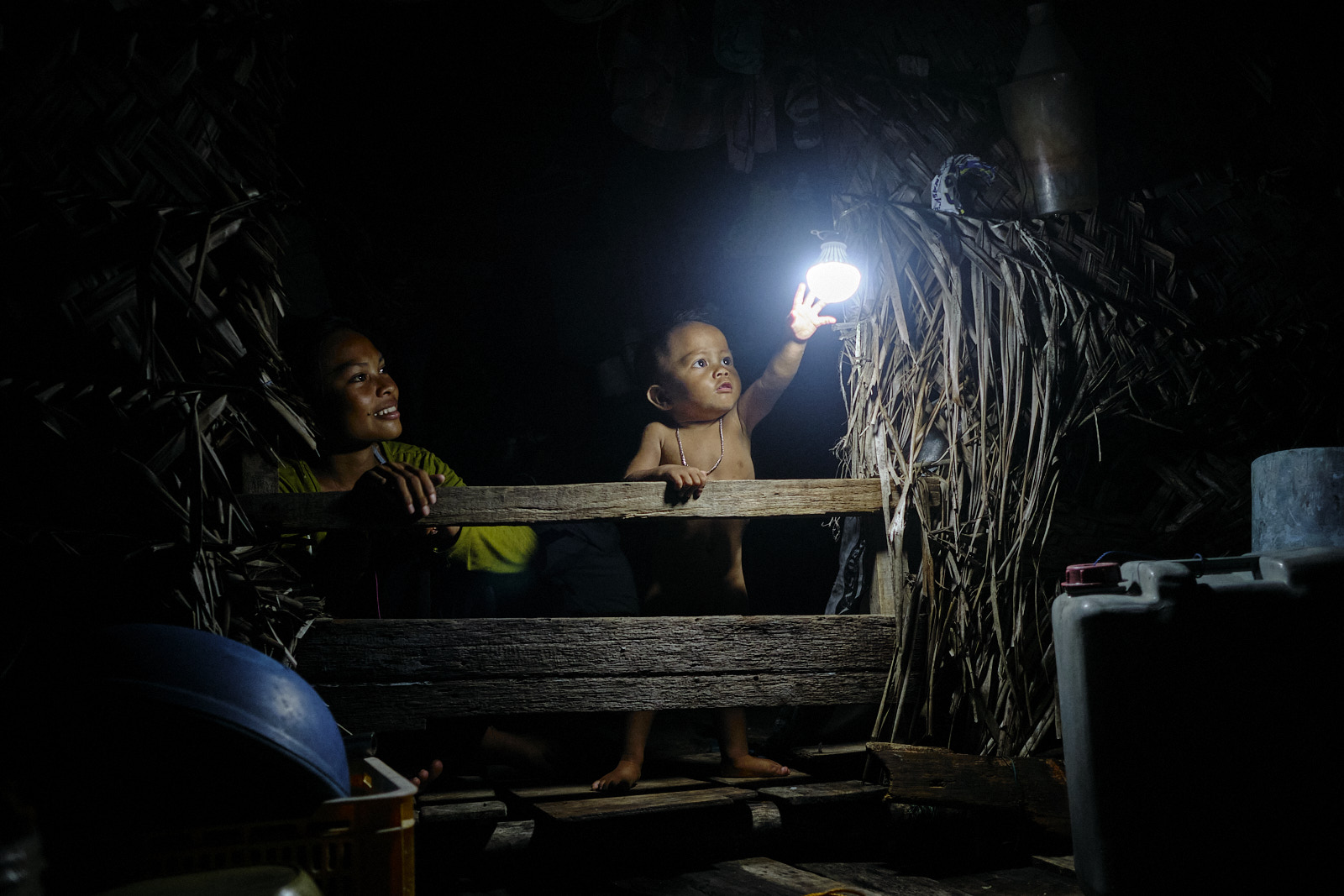
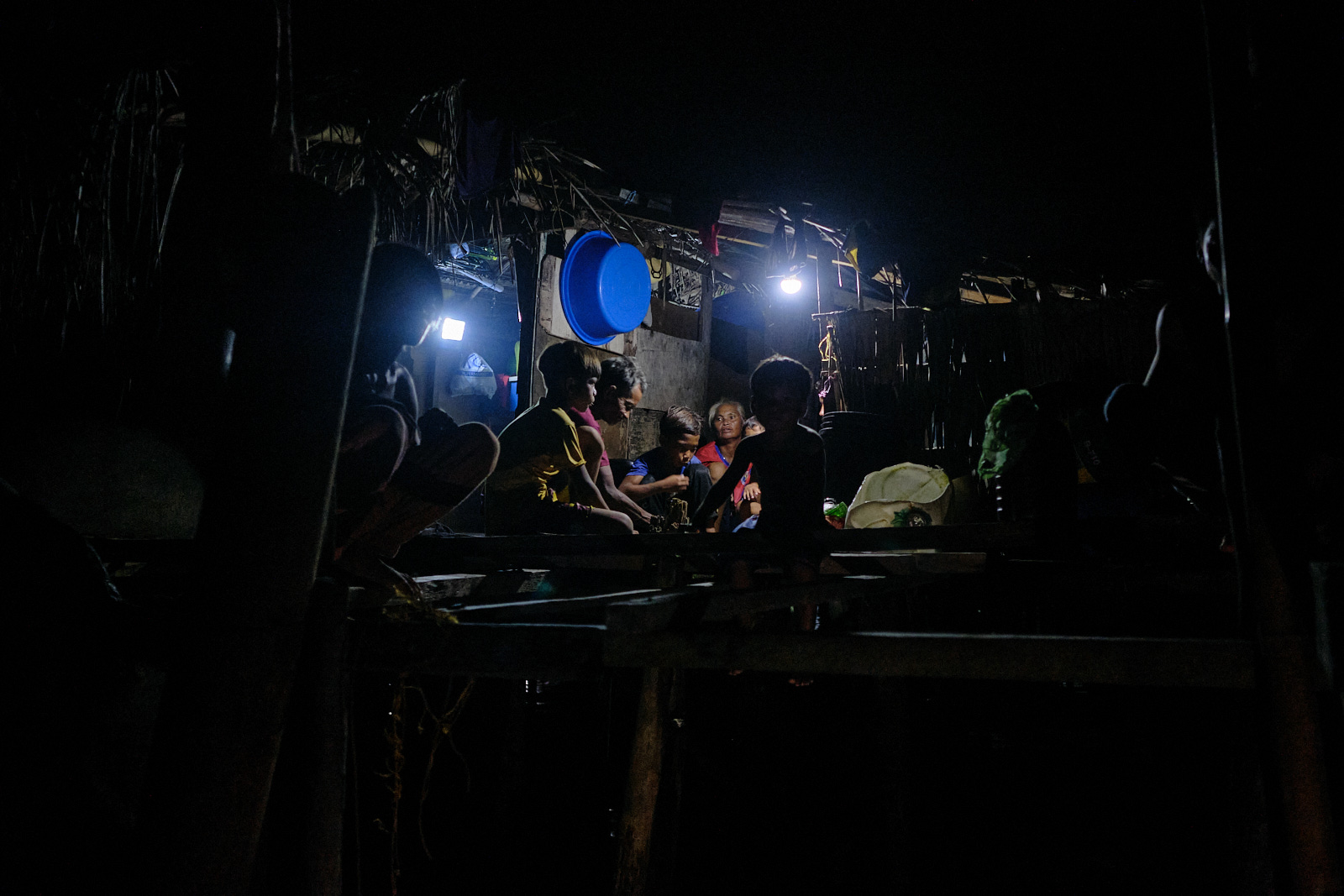
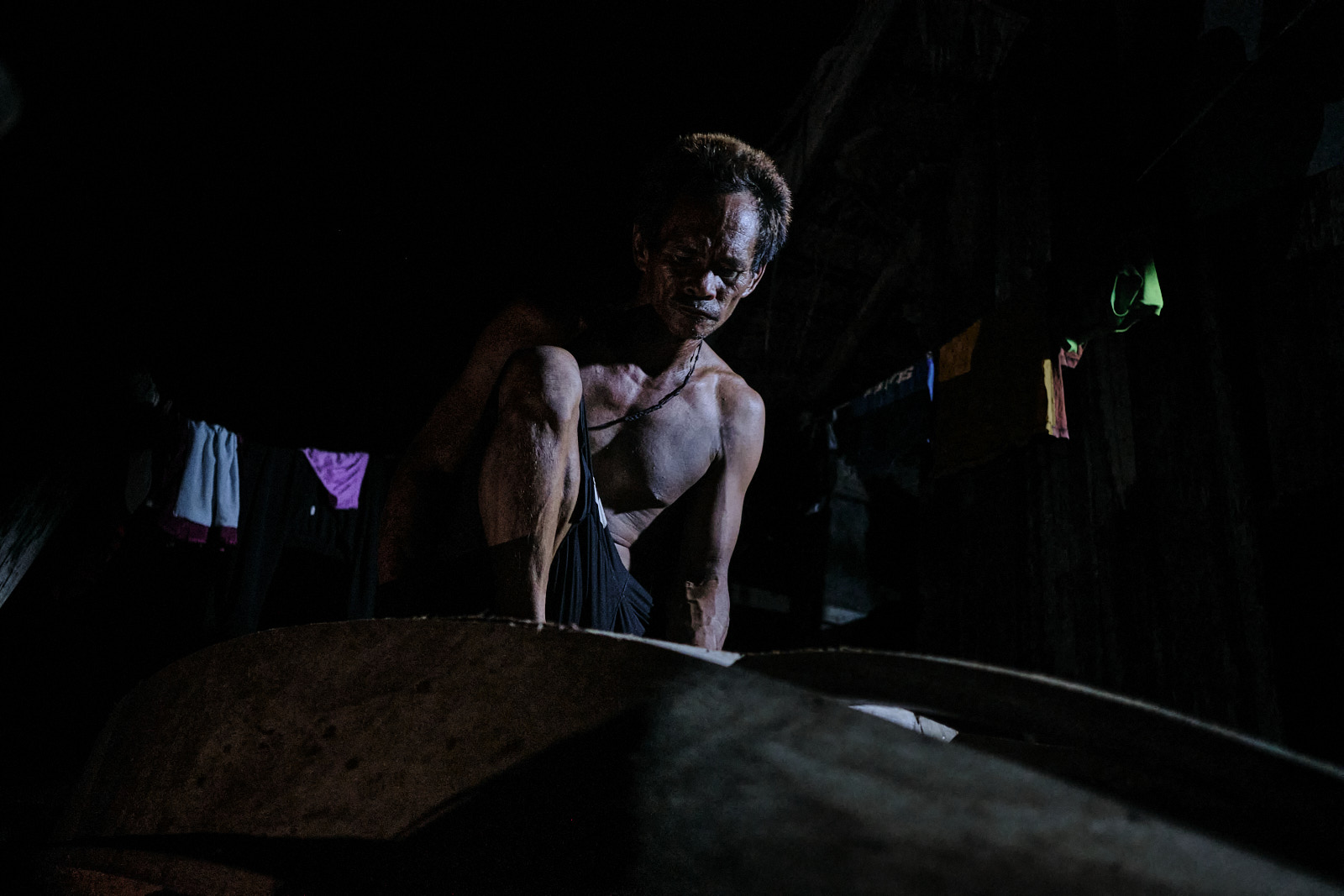
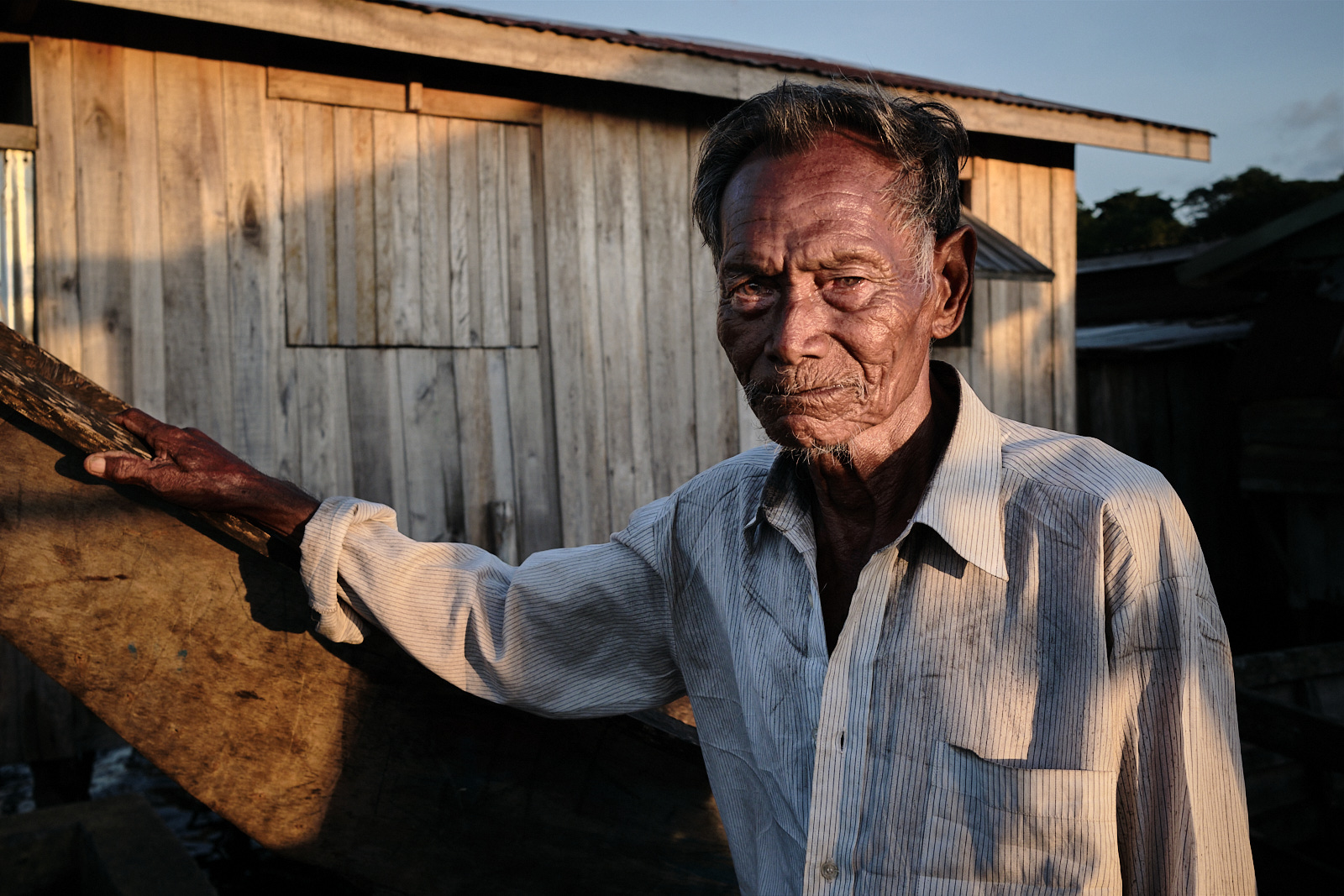
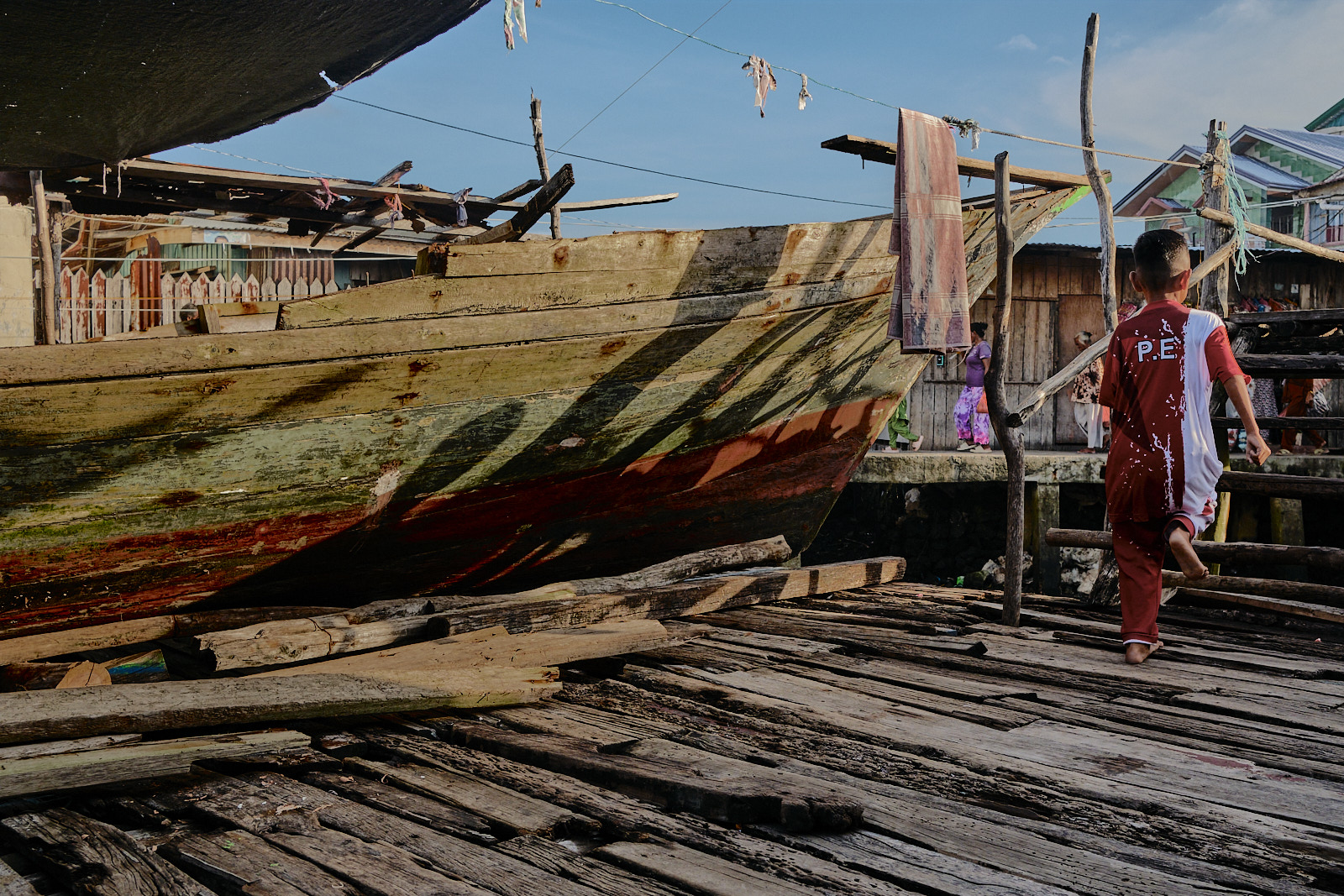
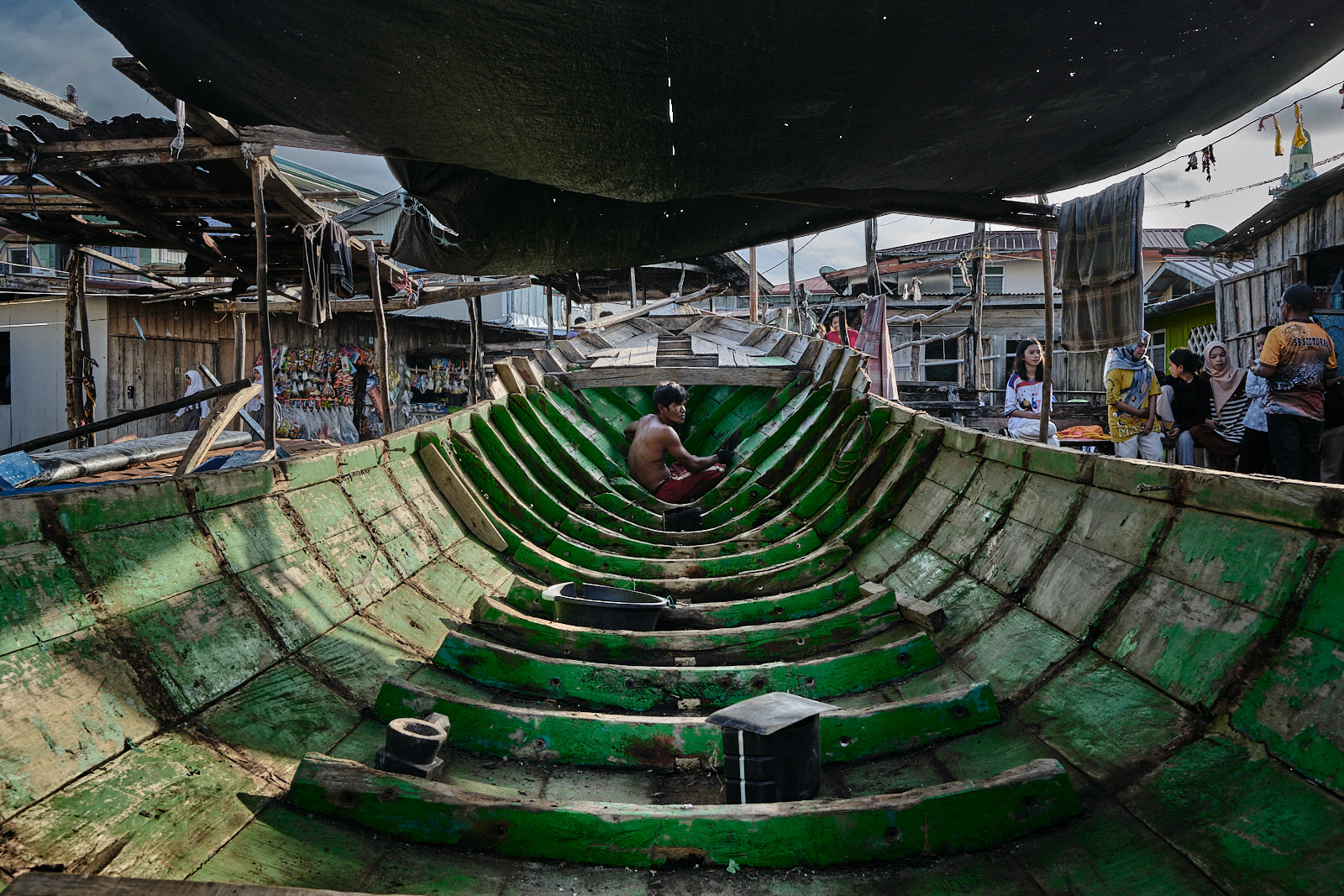
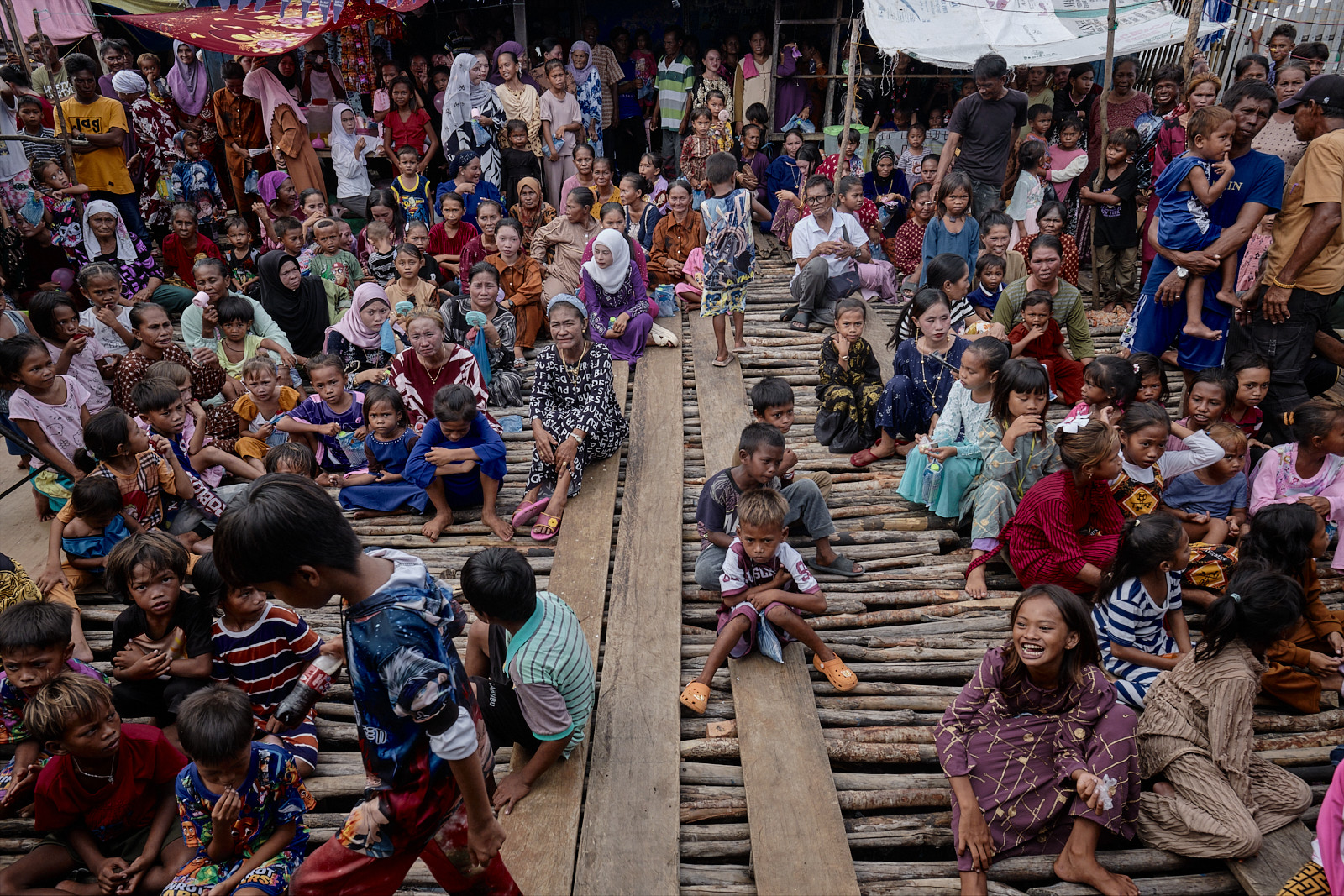
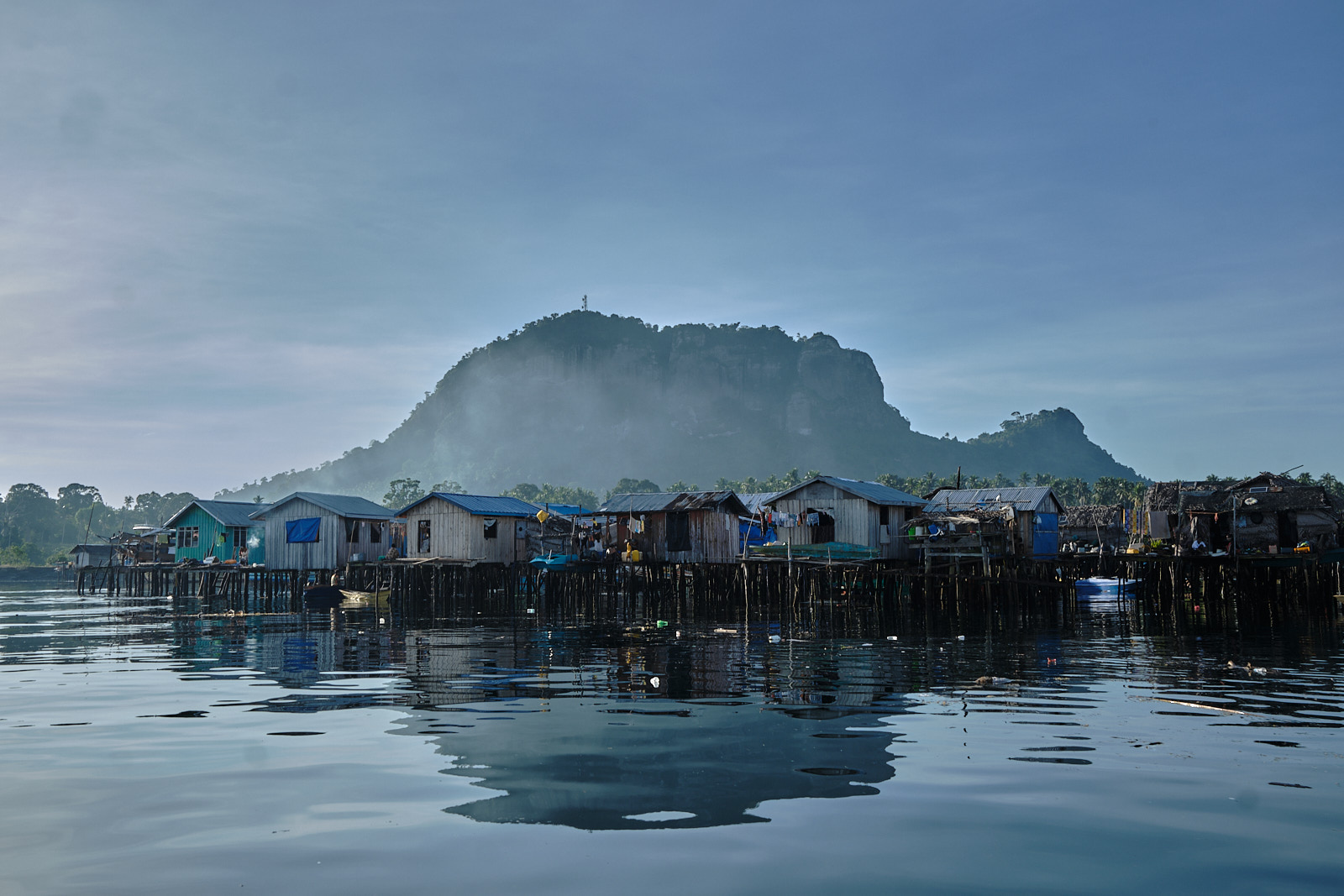
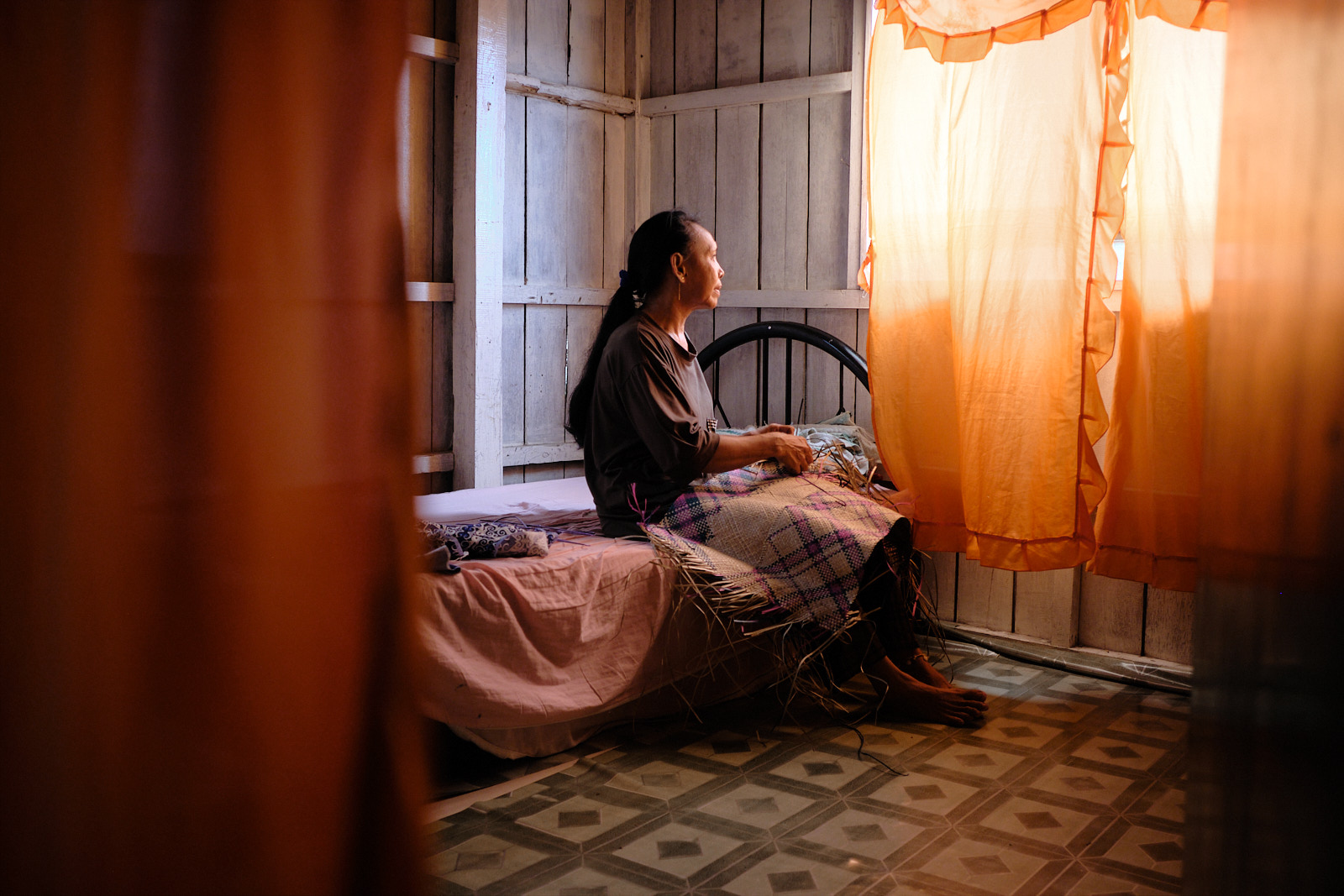
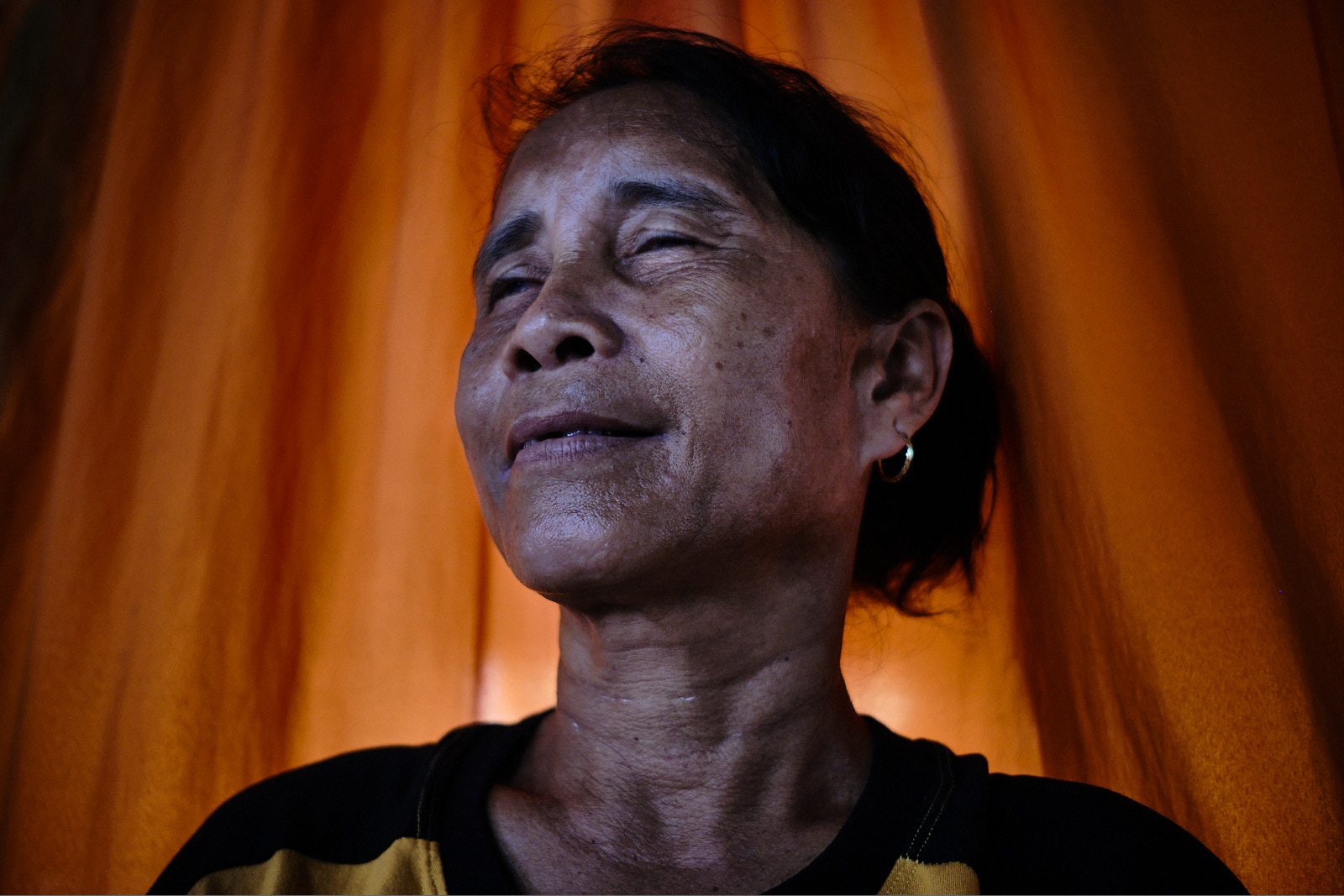
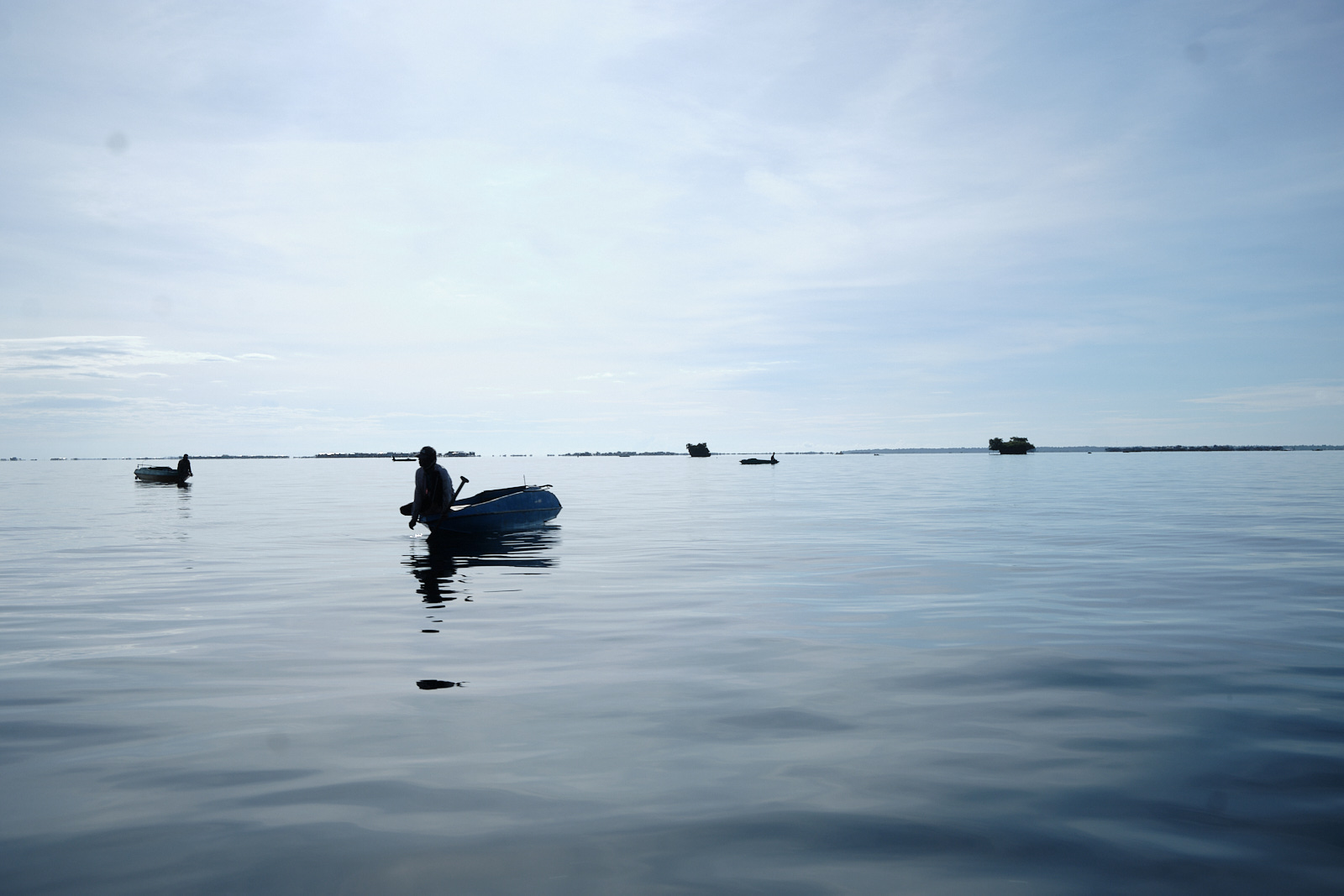
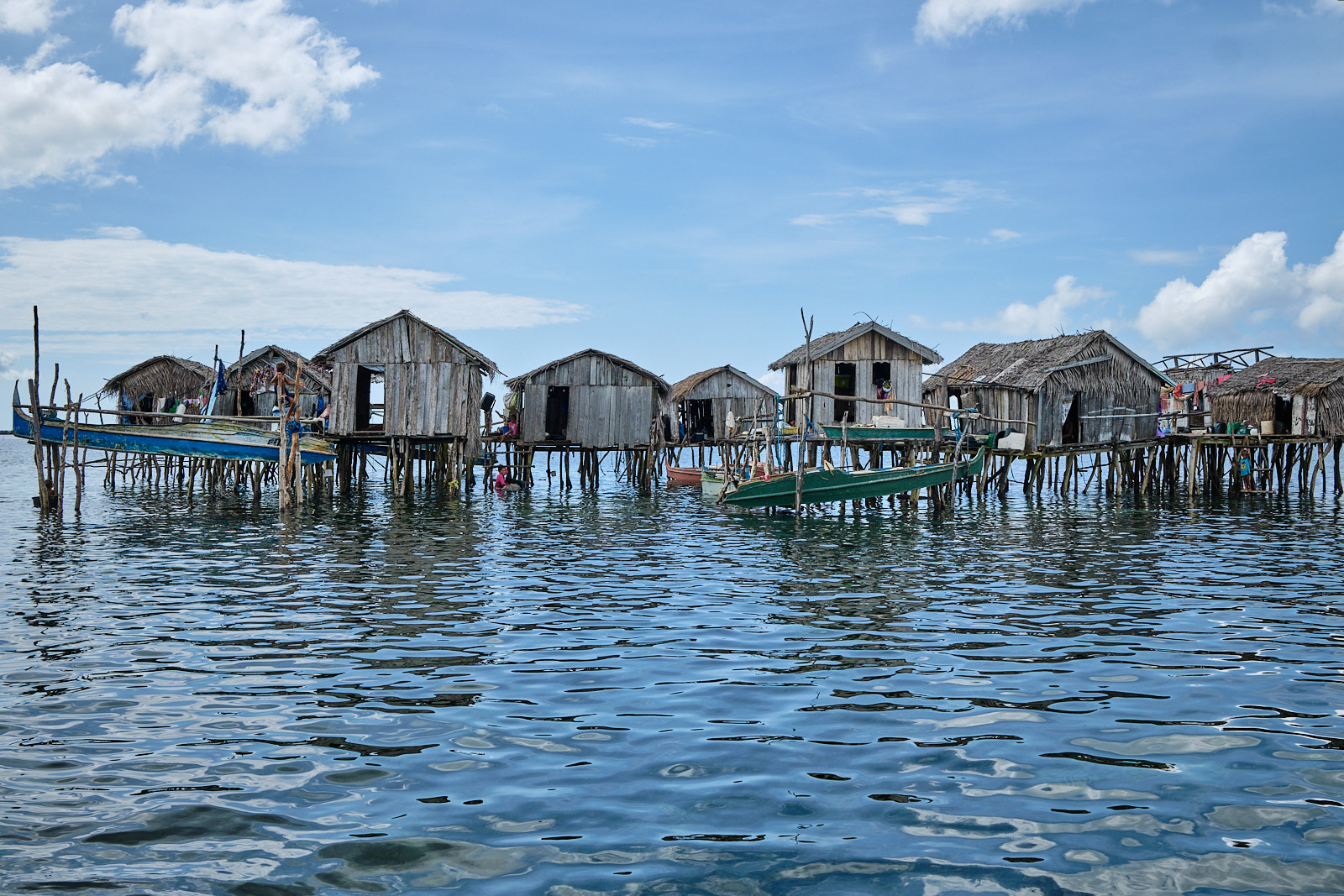
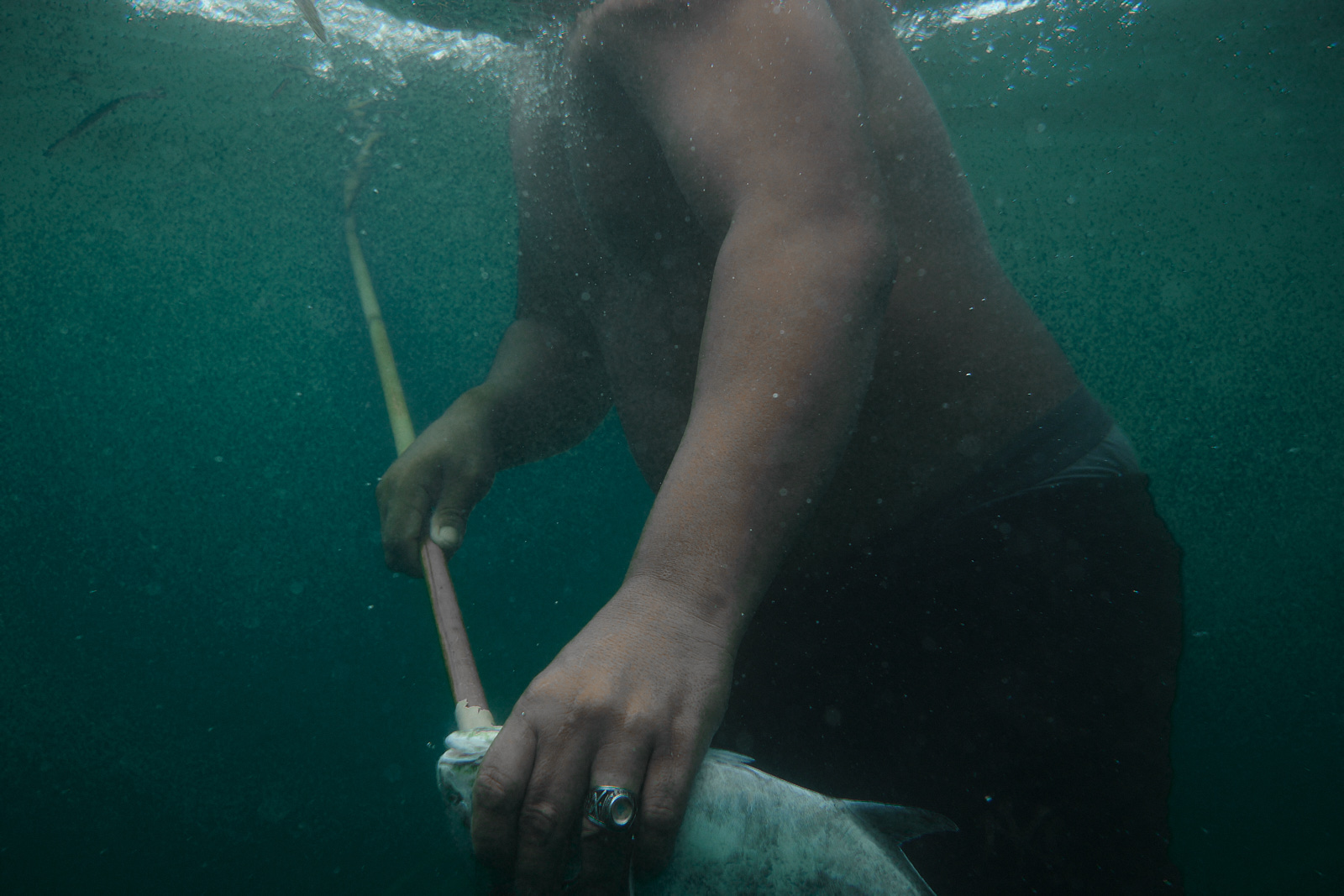
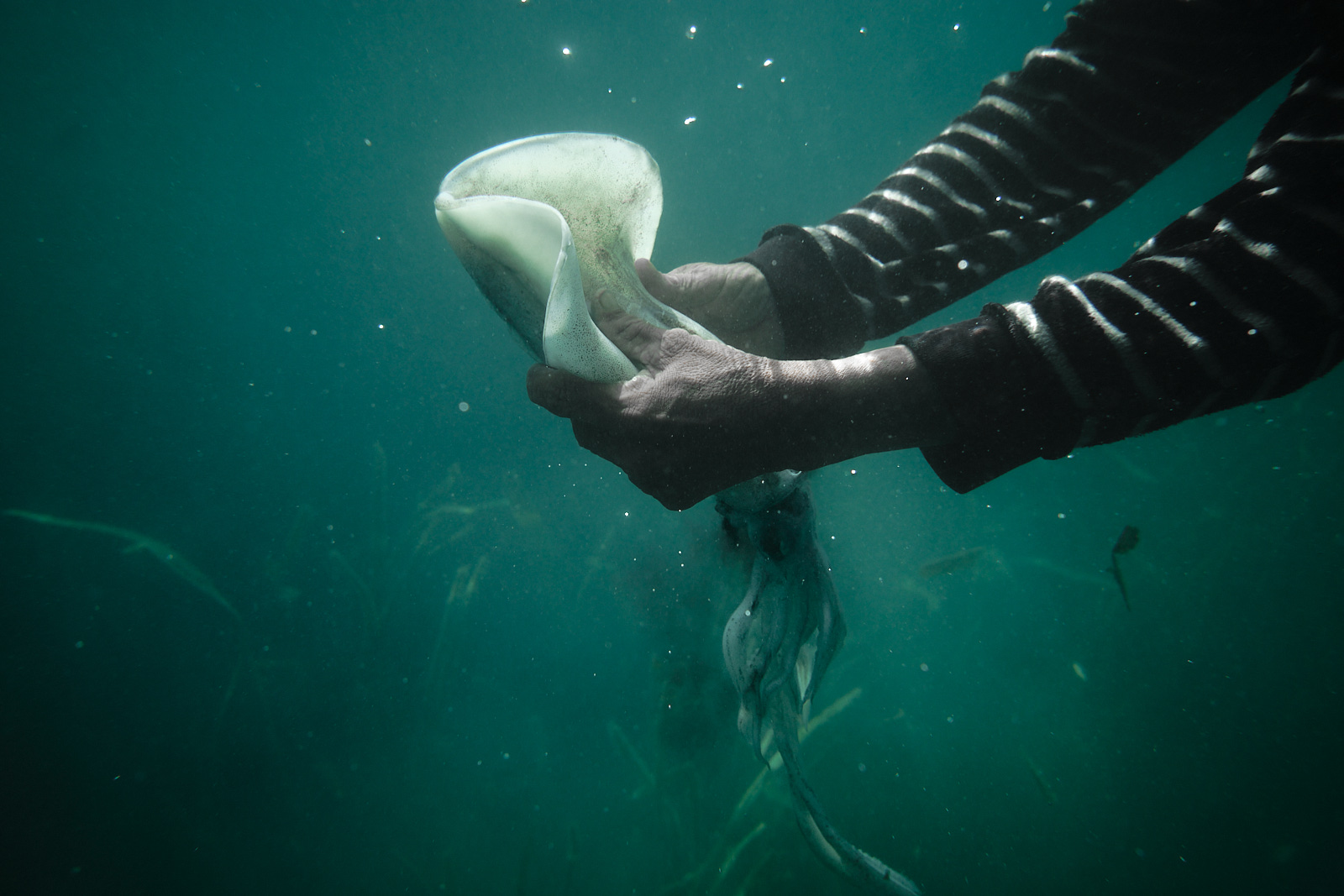
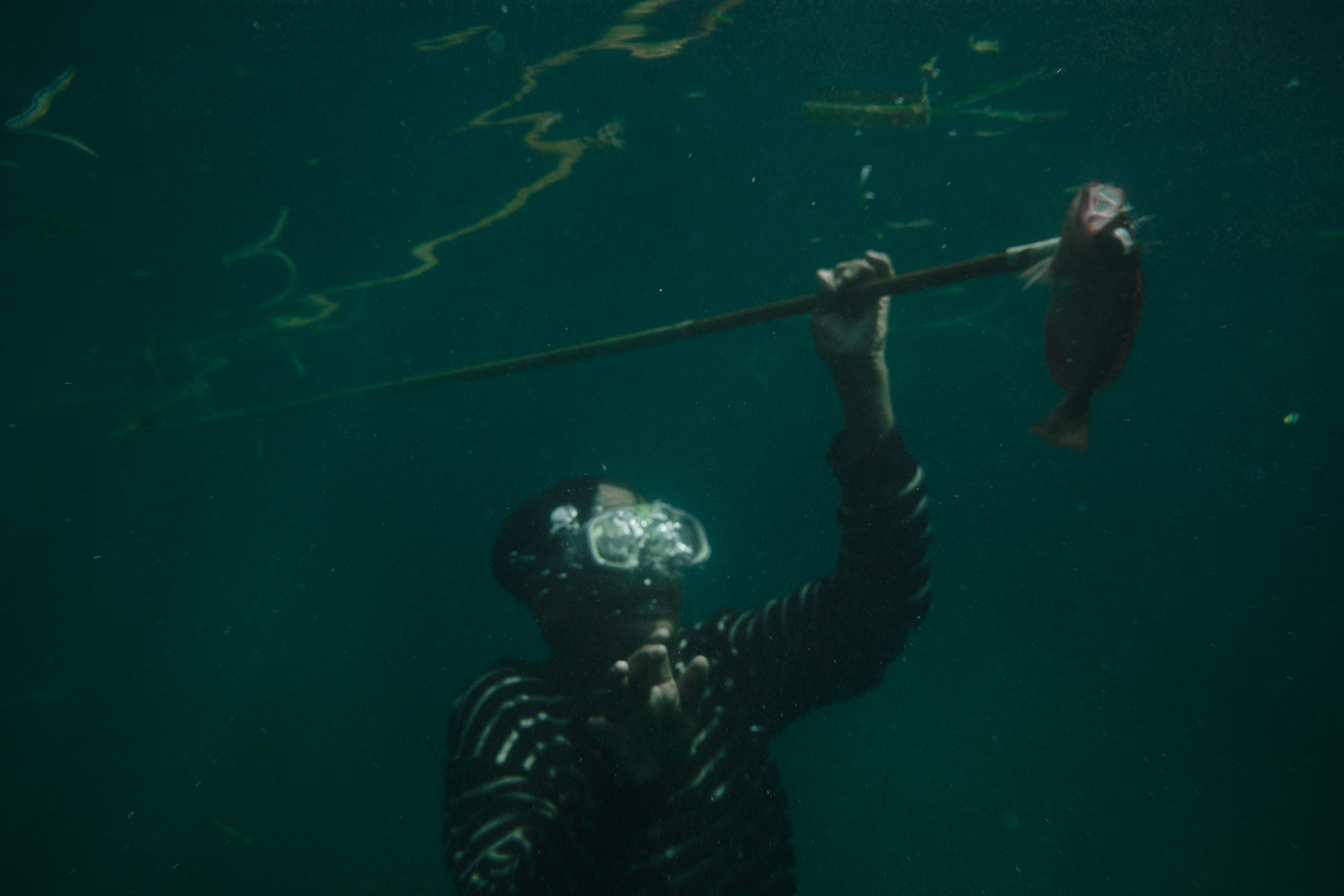
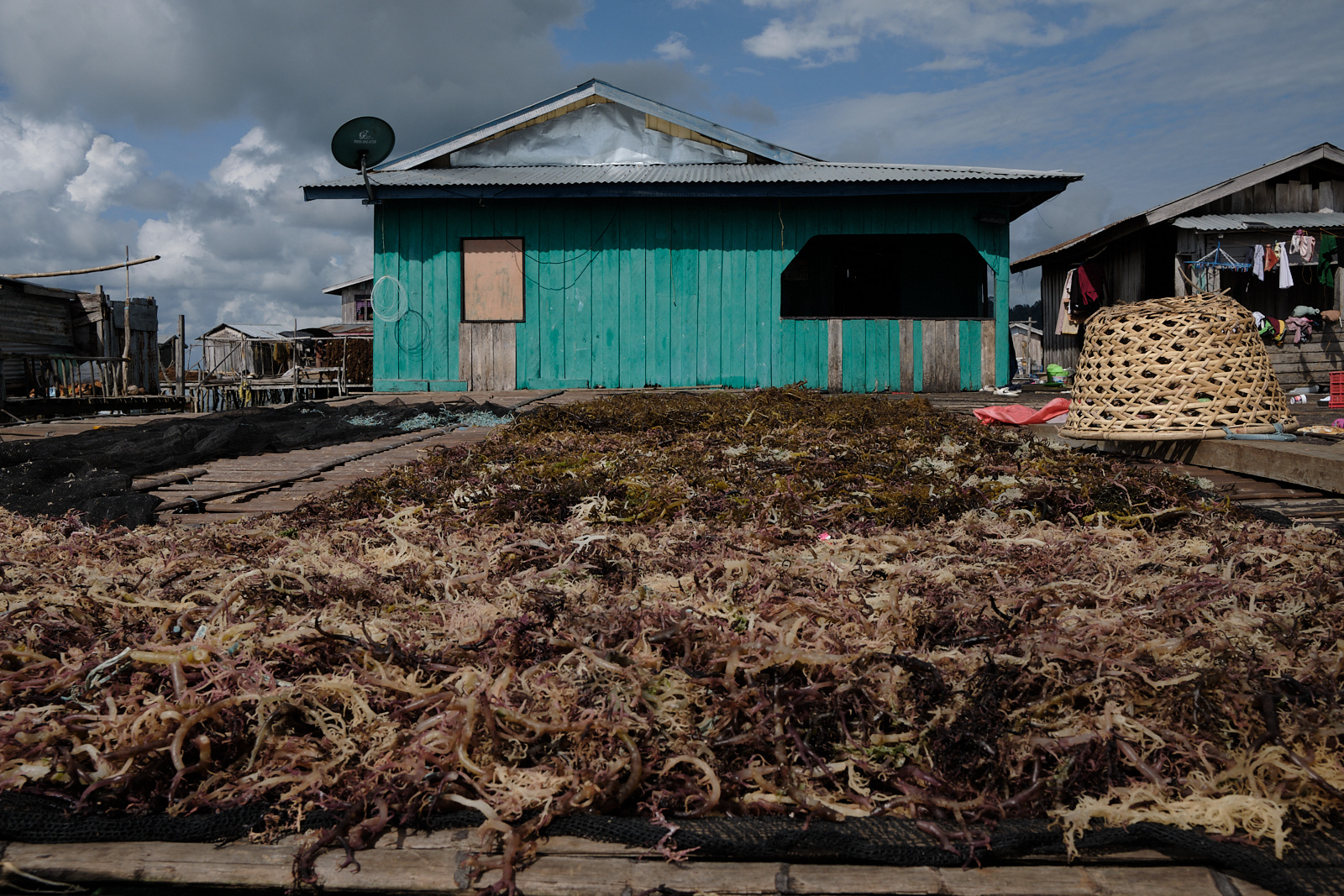
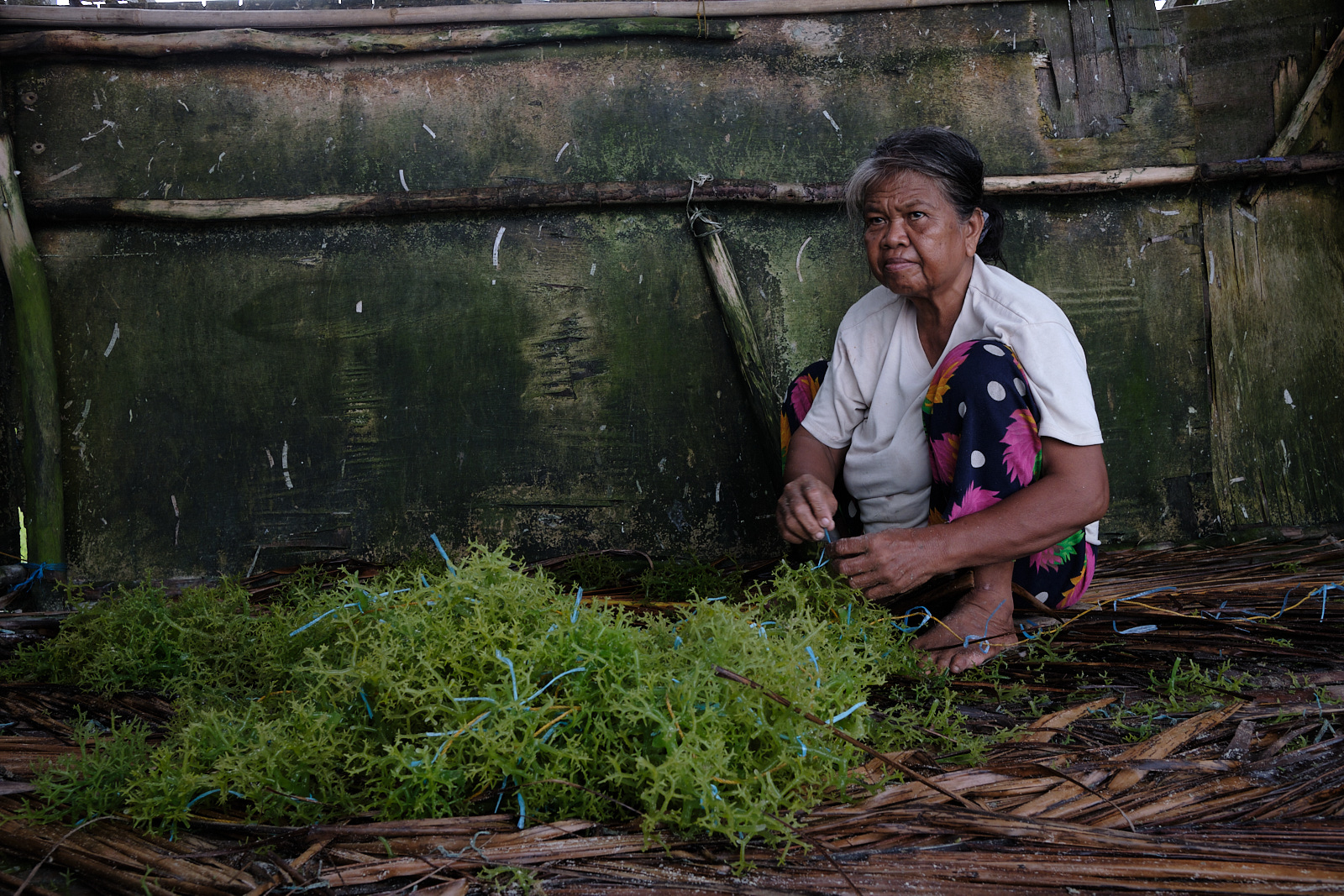
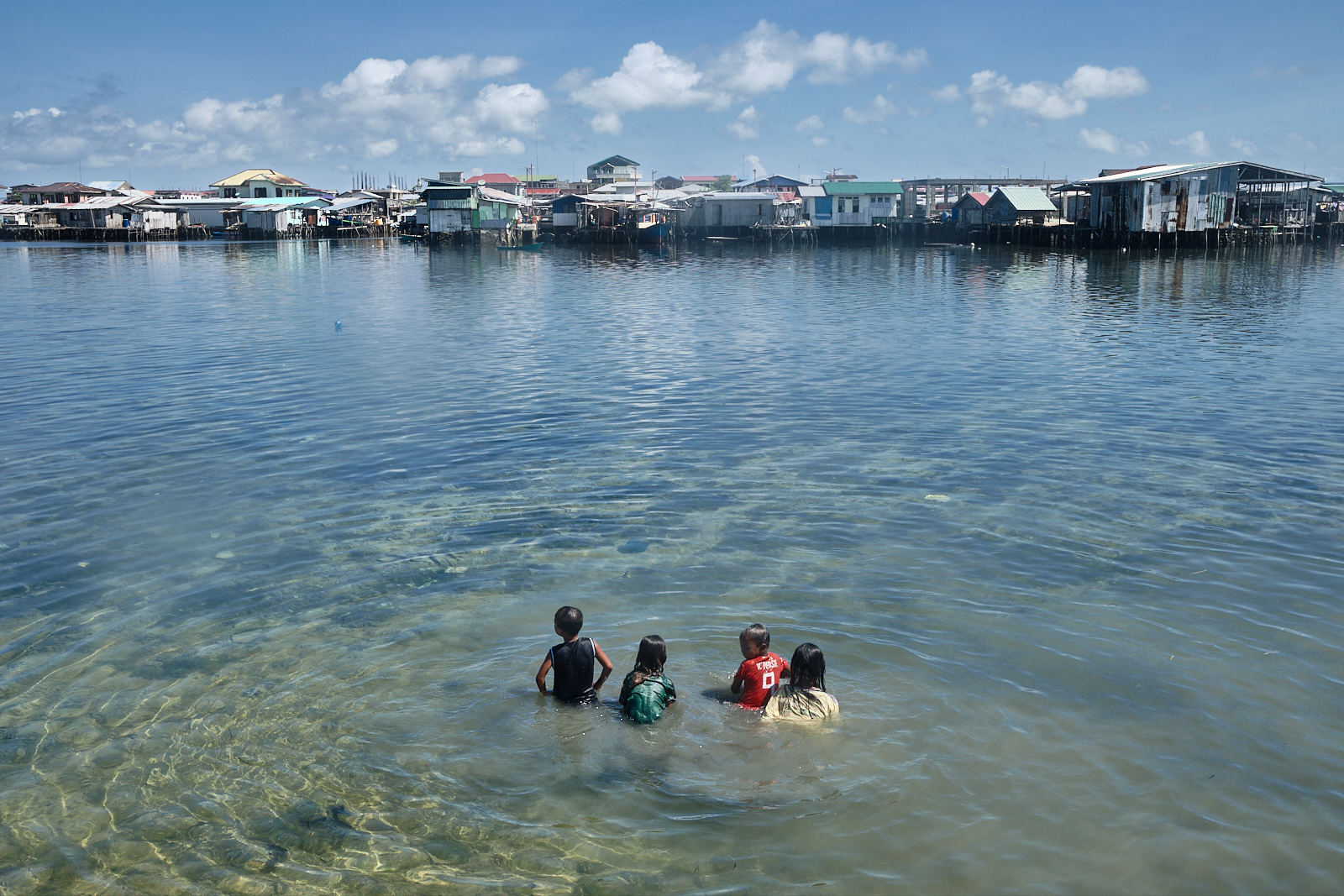
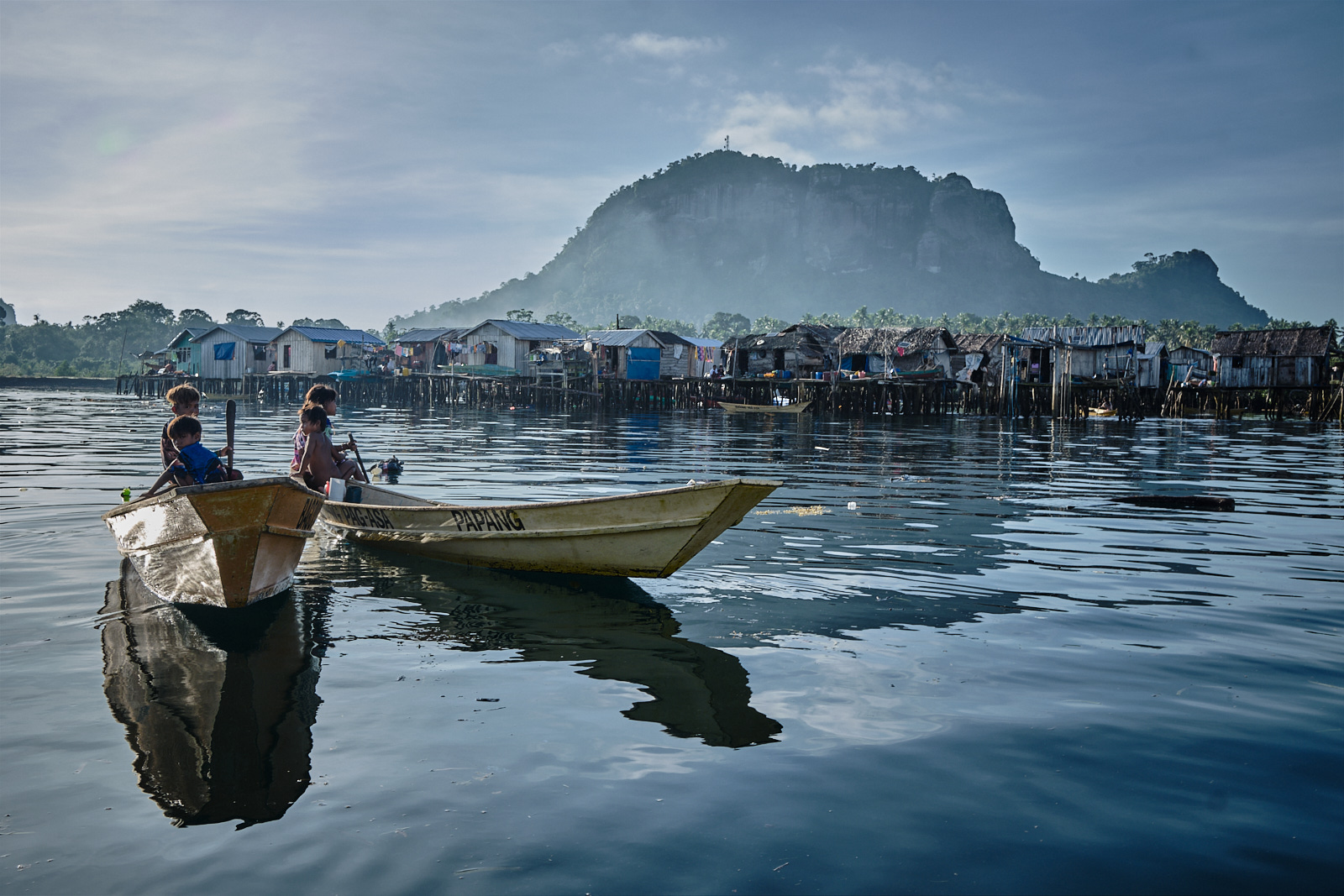
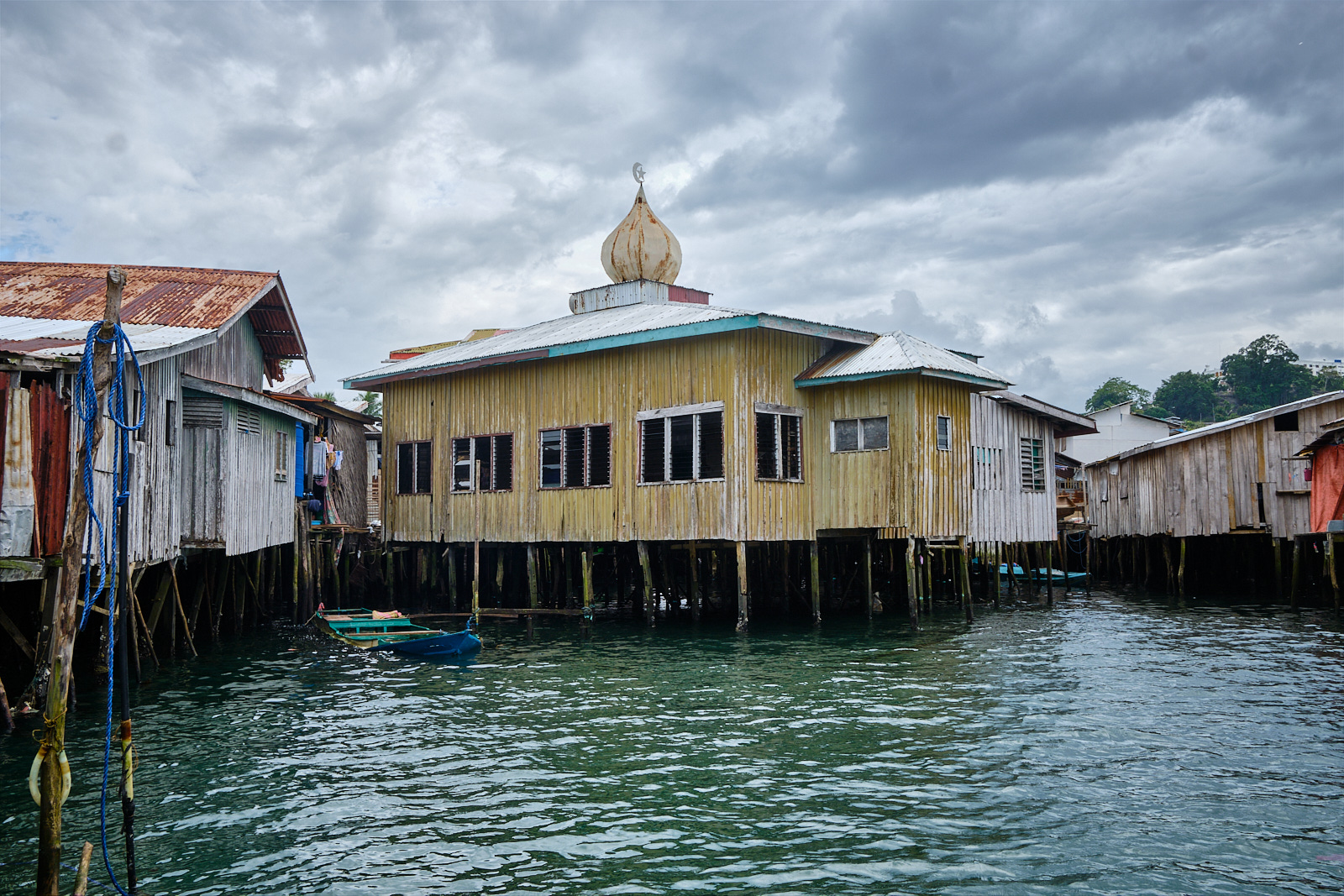
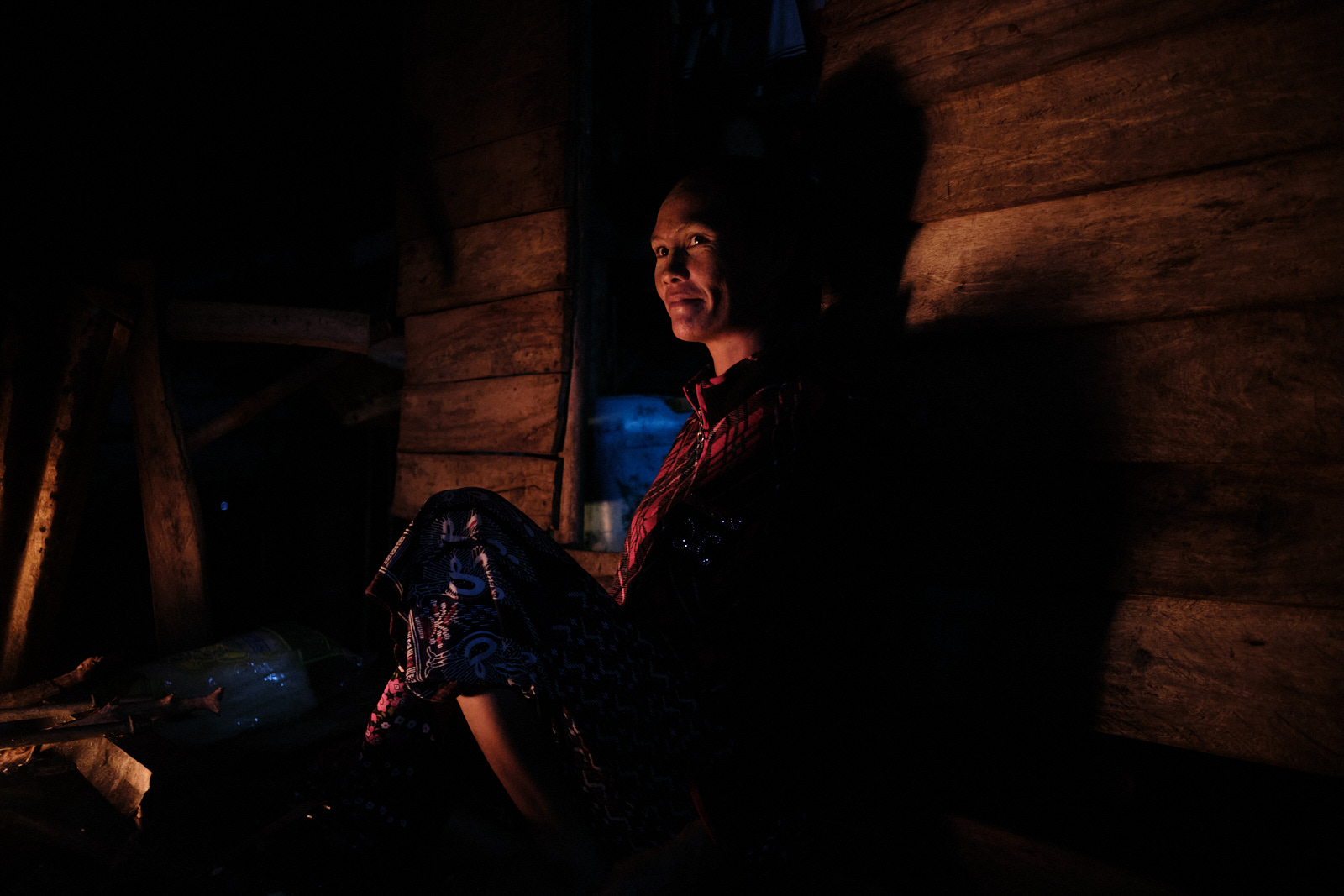
Across the stilt villages of Tawi-Tawi, in the Bangsamoro Autonomous Region in Muslim Mindanao (BARMM), entire communities live suspended between sea and state. The Sama Dilaut, also known as Sama Bajau, are an Indigenous maritime people whose identity has been shaped for centuries by mobility across the Sulu and Celebes Seas. Today, national borders across the Philippines, Malaysia, and Indonesia have fixed what was once fluid, leaving thousands without formal recognition.
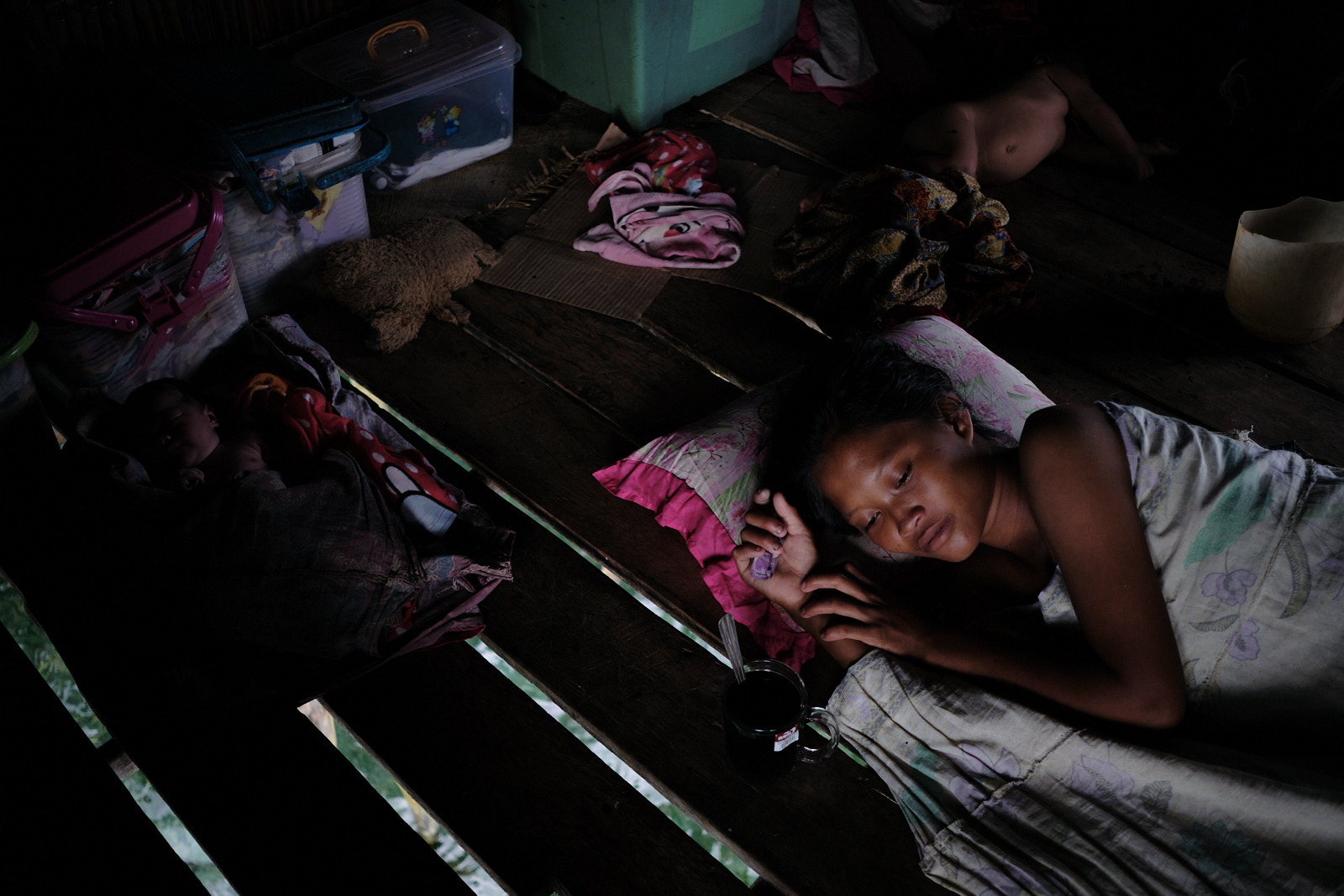
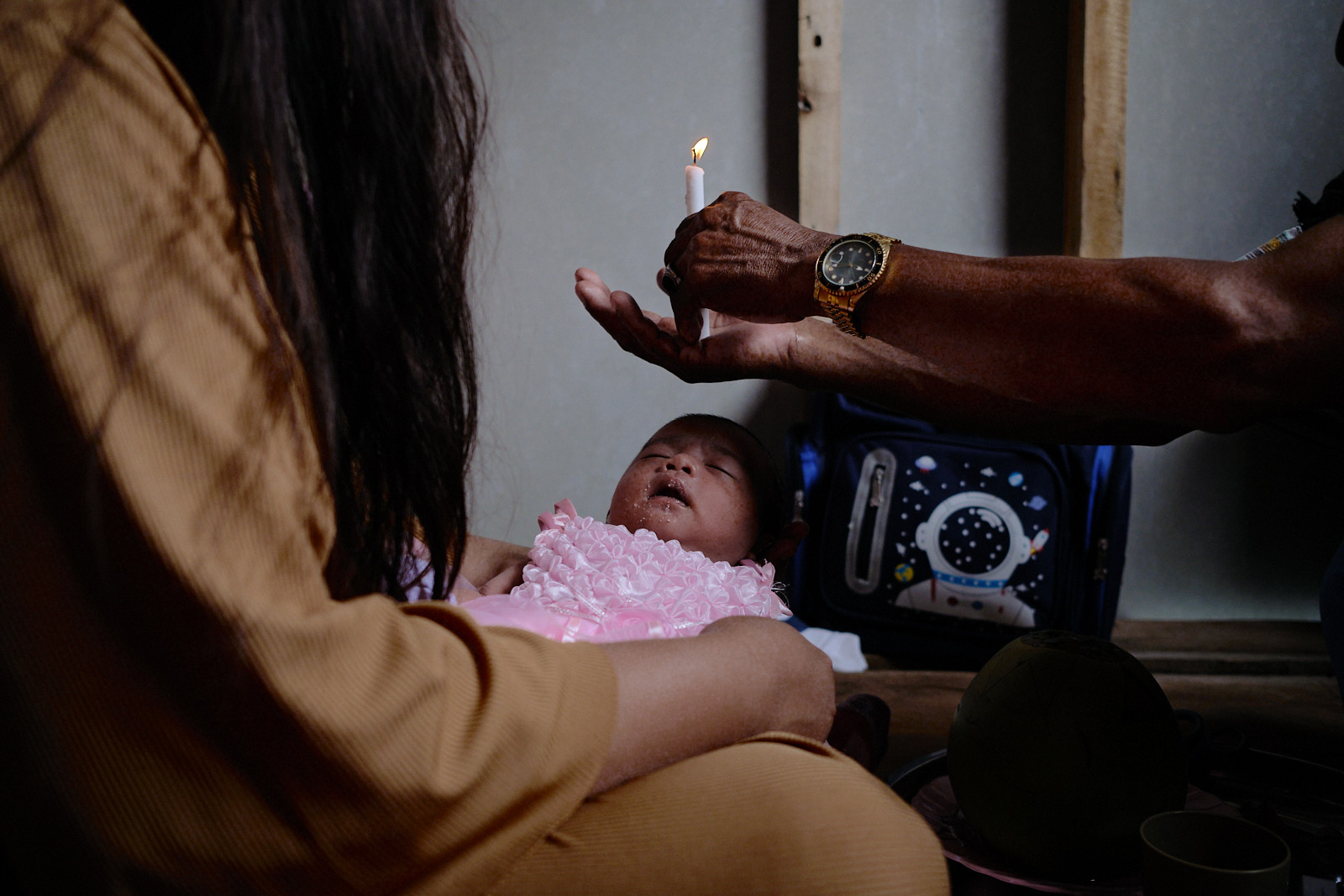
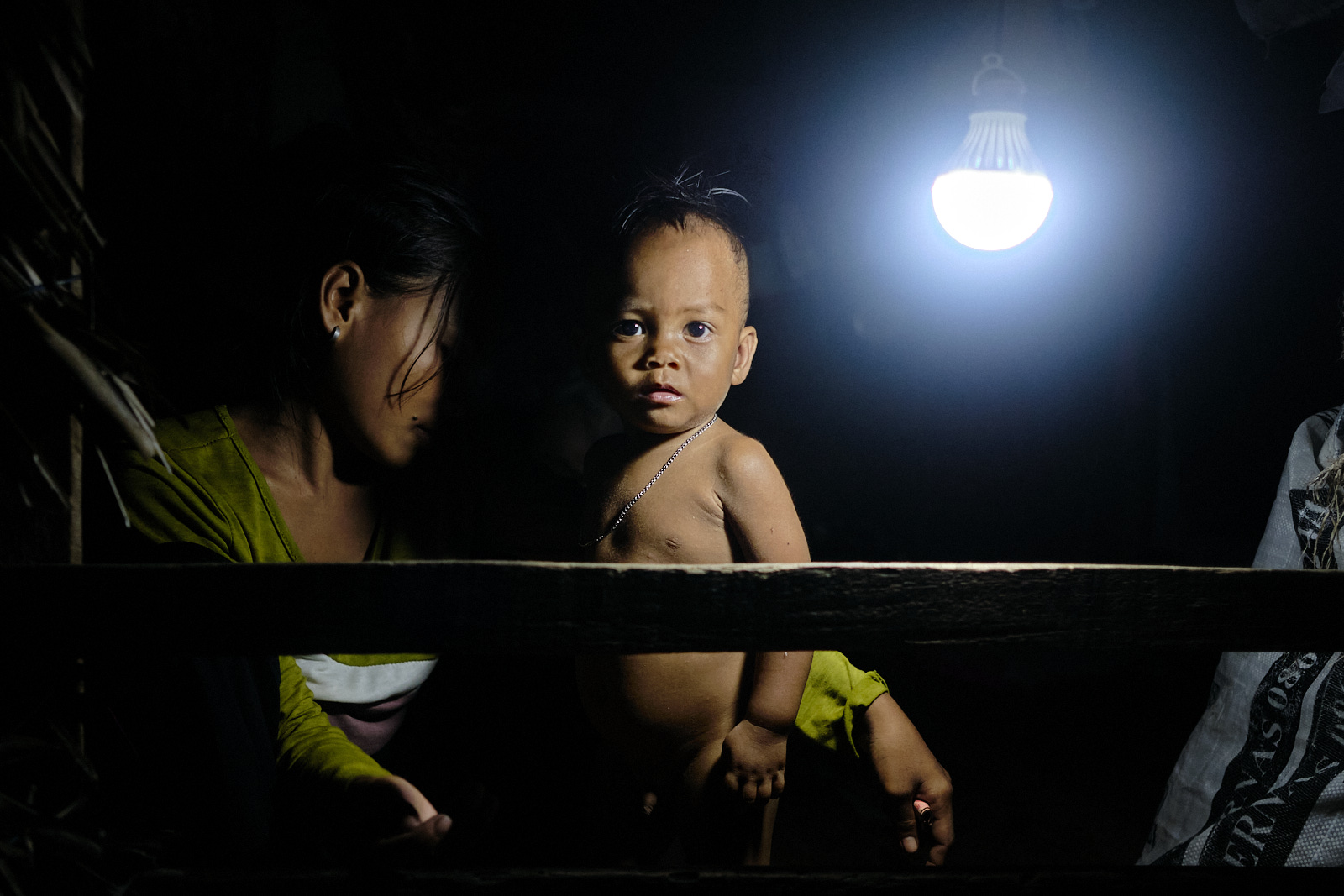
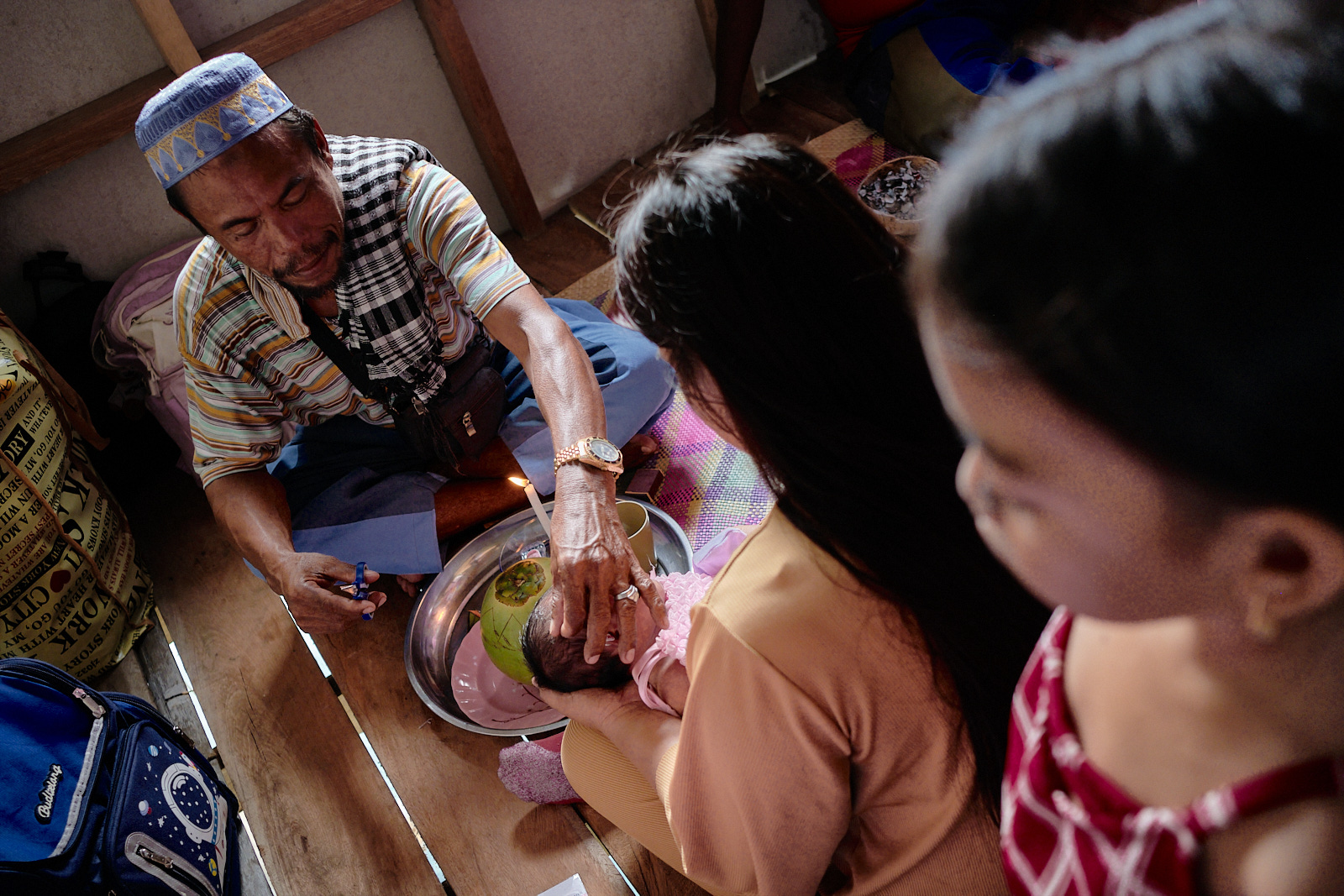
Although the Philippines records a national birth registration rate above 96 percent, in the remote islands of the south, in BARMM, the figure drops to around 77 percent, with even lower levels in the most isolated island provinces. In parts of Tawi-Tawi, one of the southernmost islands close to Malaysia, surveys indicate that a significant share of families lack birth certificates, placing many at risk of administrative invisibility. Without documentation, access to education, healthcare, and public assistance becomes uncertain. Legal absence does not always mean formal statelessness, but it creates a condition of practical exclusion that can persist across generations.
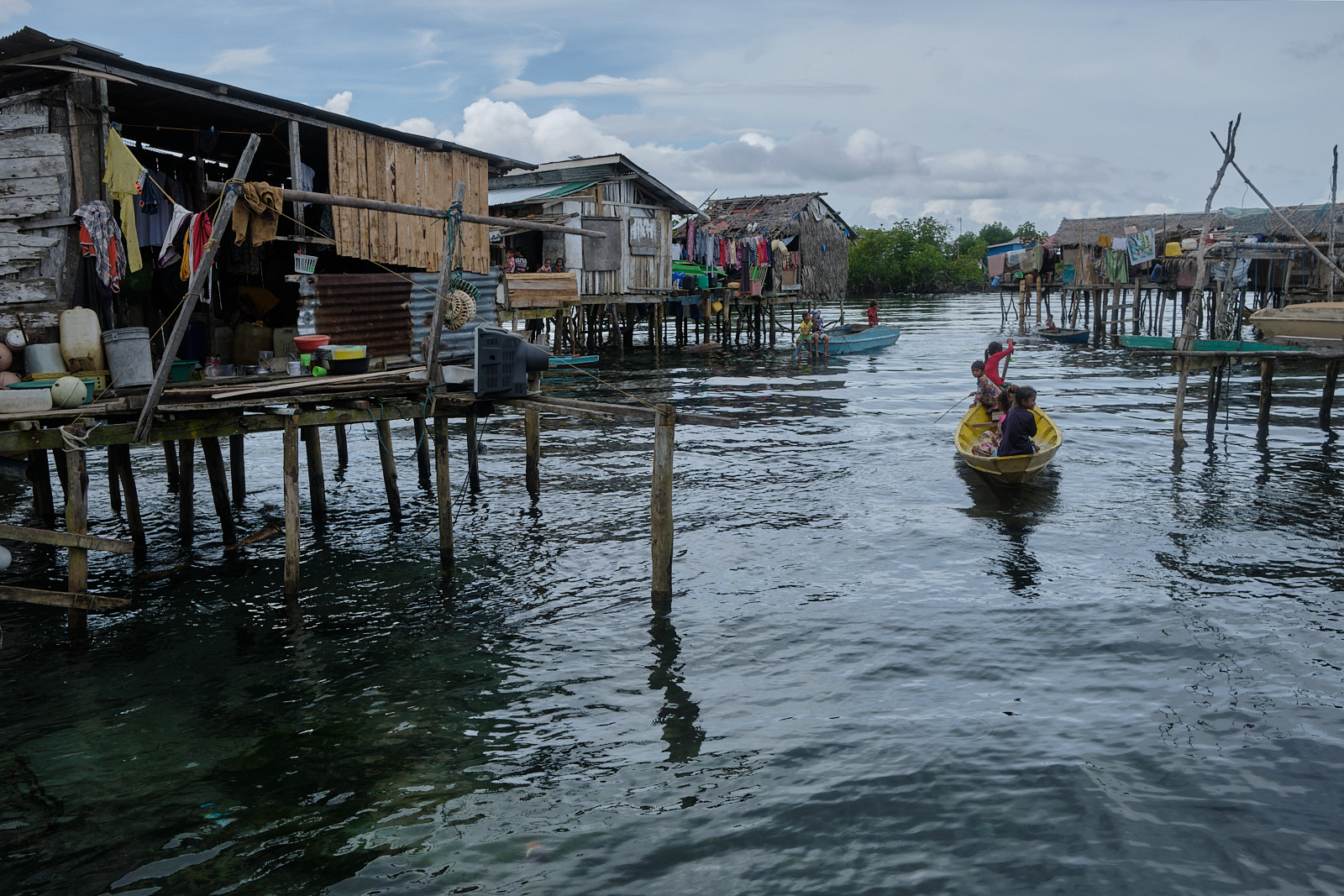
Many Sama Dilaut villages are built offshore, accessible only by small boats. Civil registry offices are located on the mainland; transport costs, indirect fees, and limited information slow the process further. In response, mobile registration initiatives supported by international agencies have begun operating in isolated areas. Yet documentation remains a long and uncertain path.
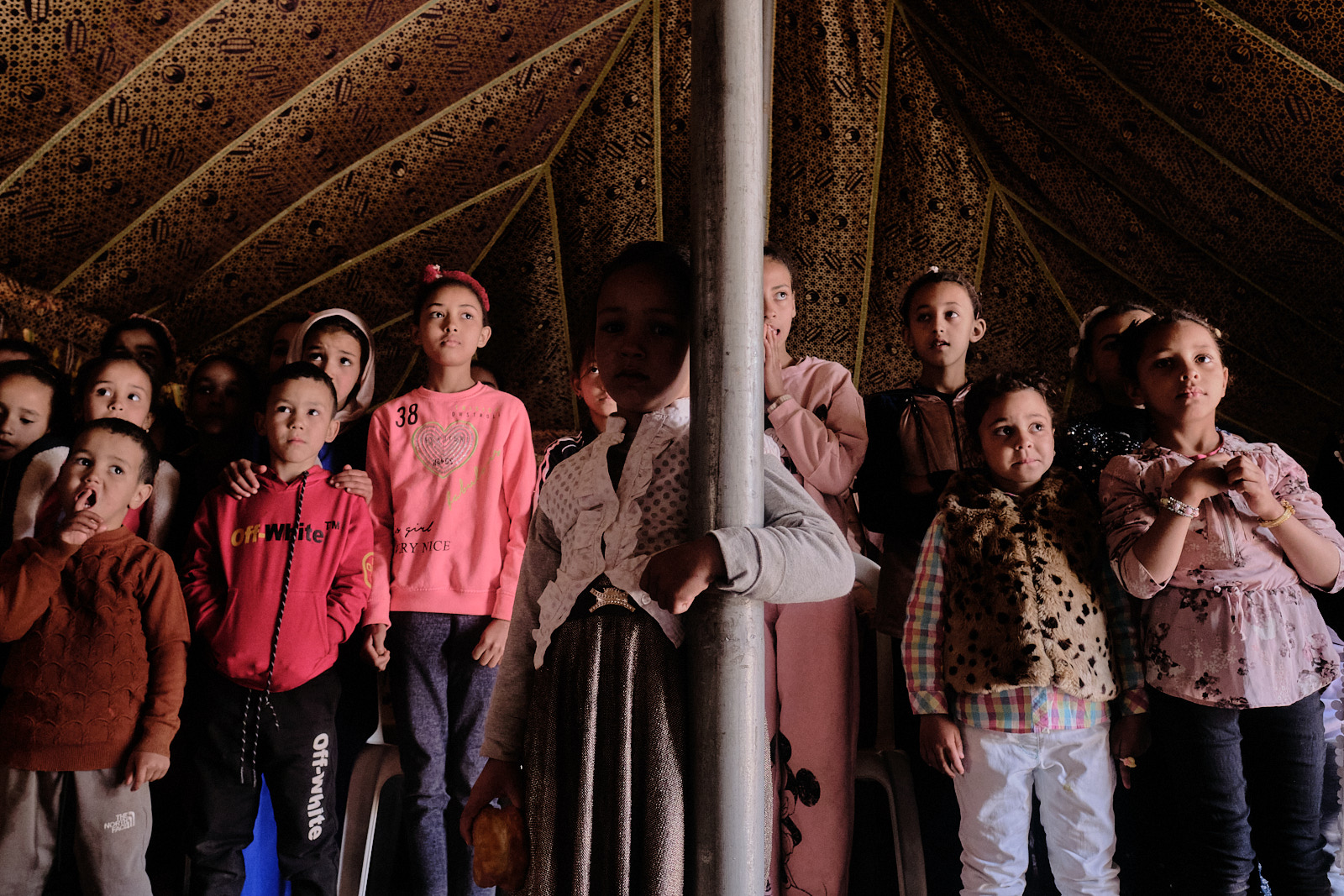
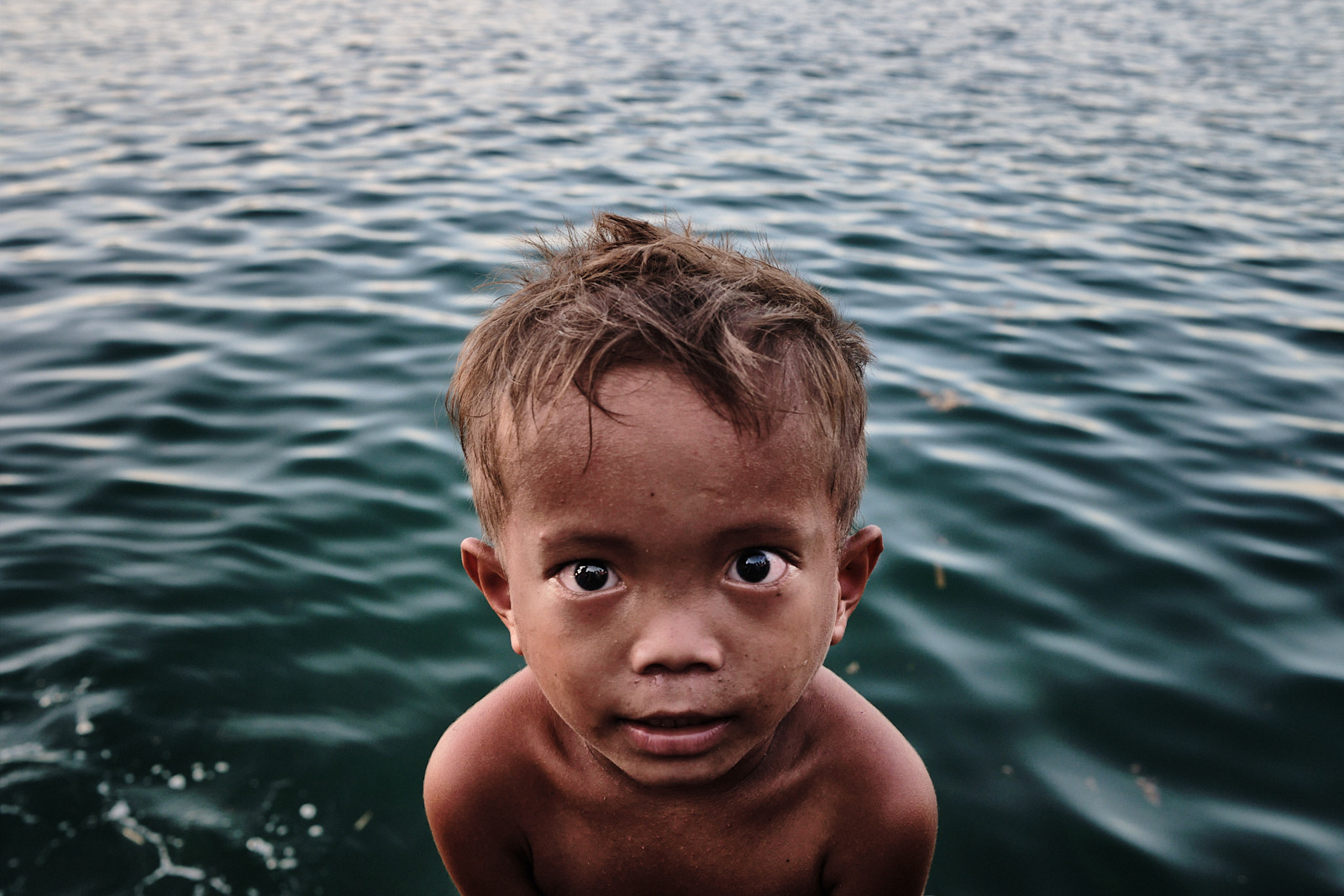
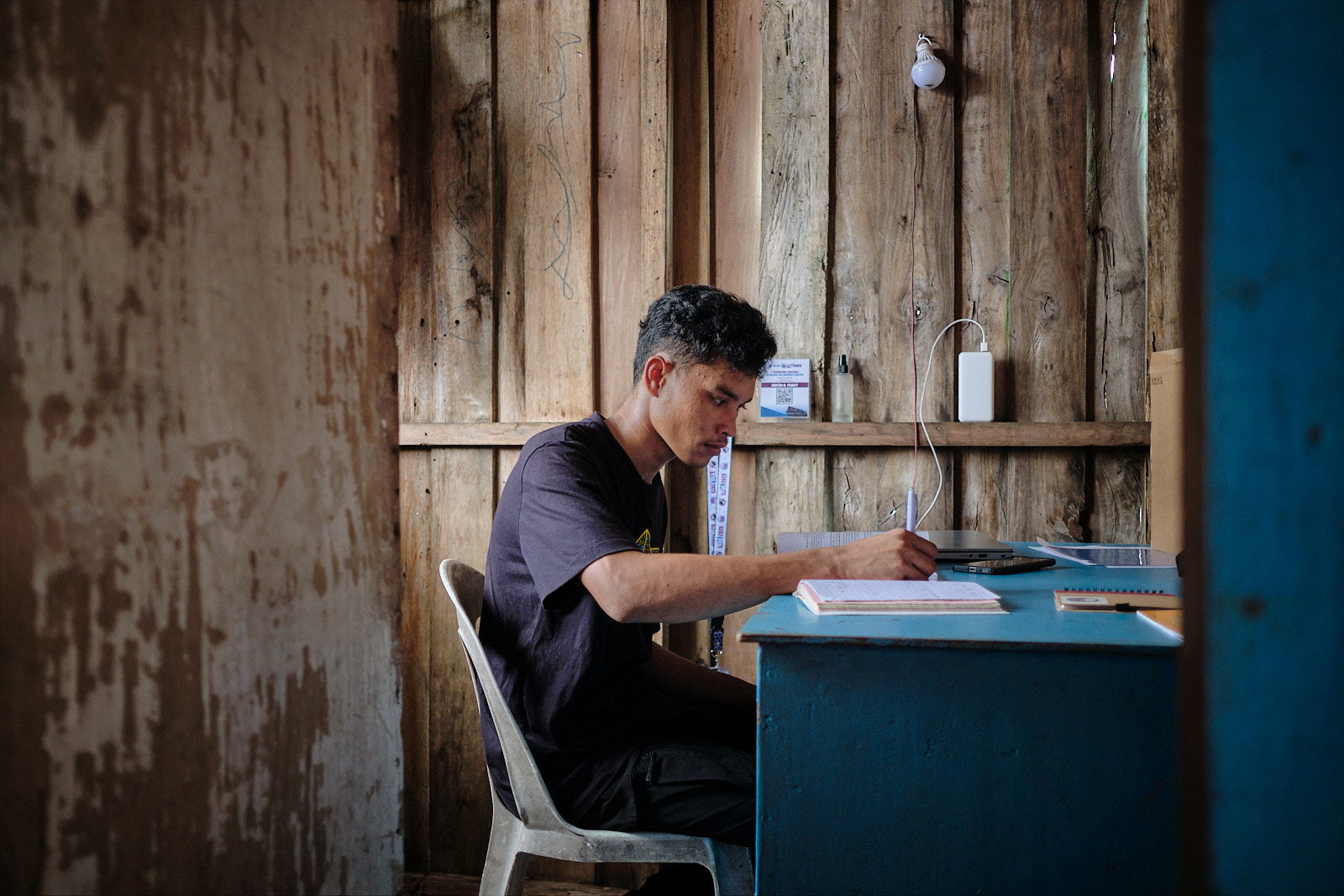
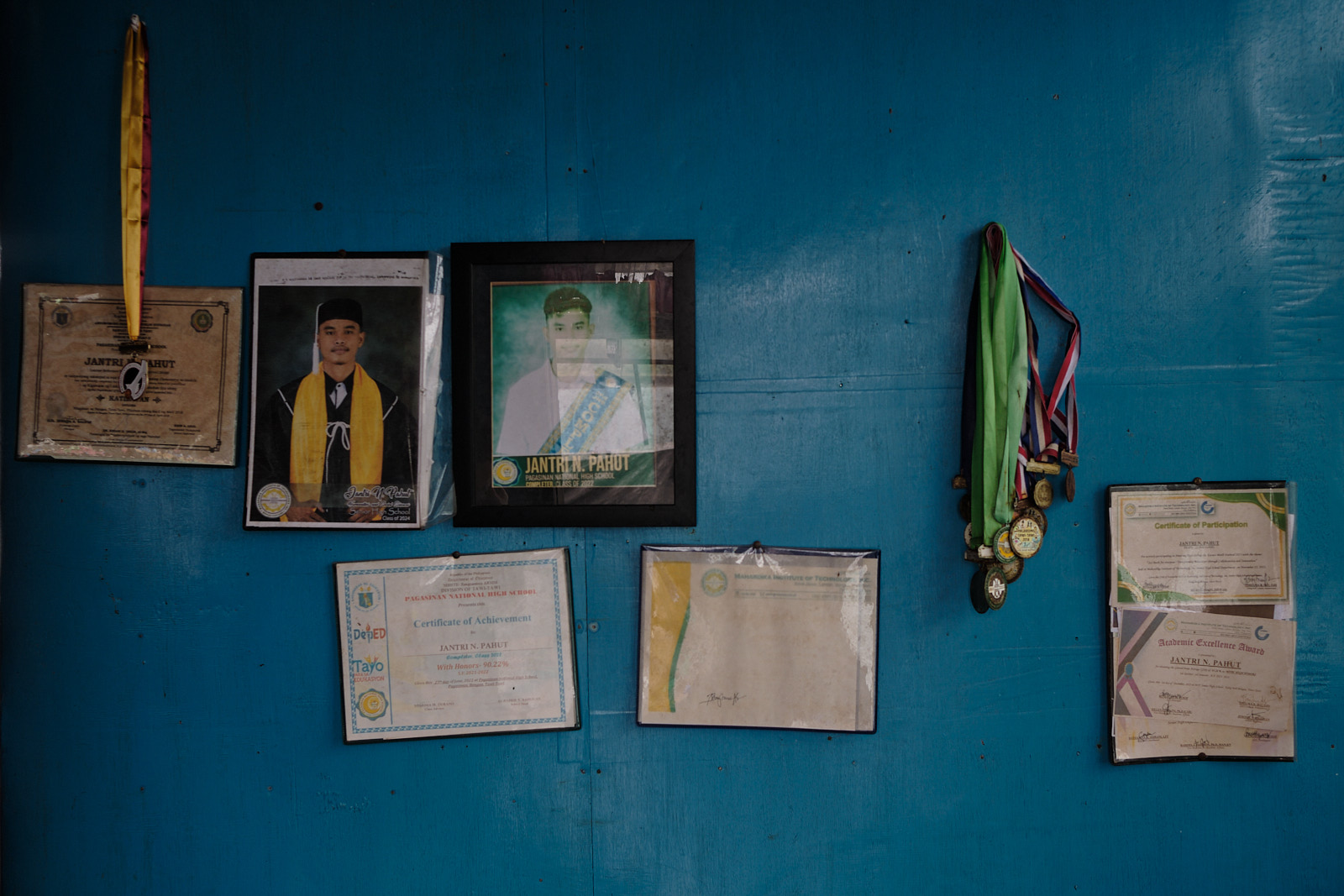
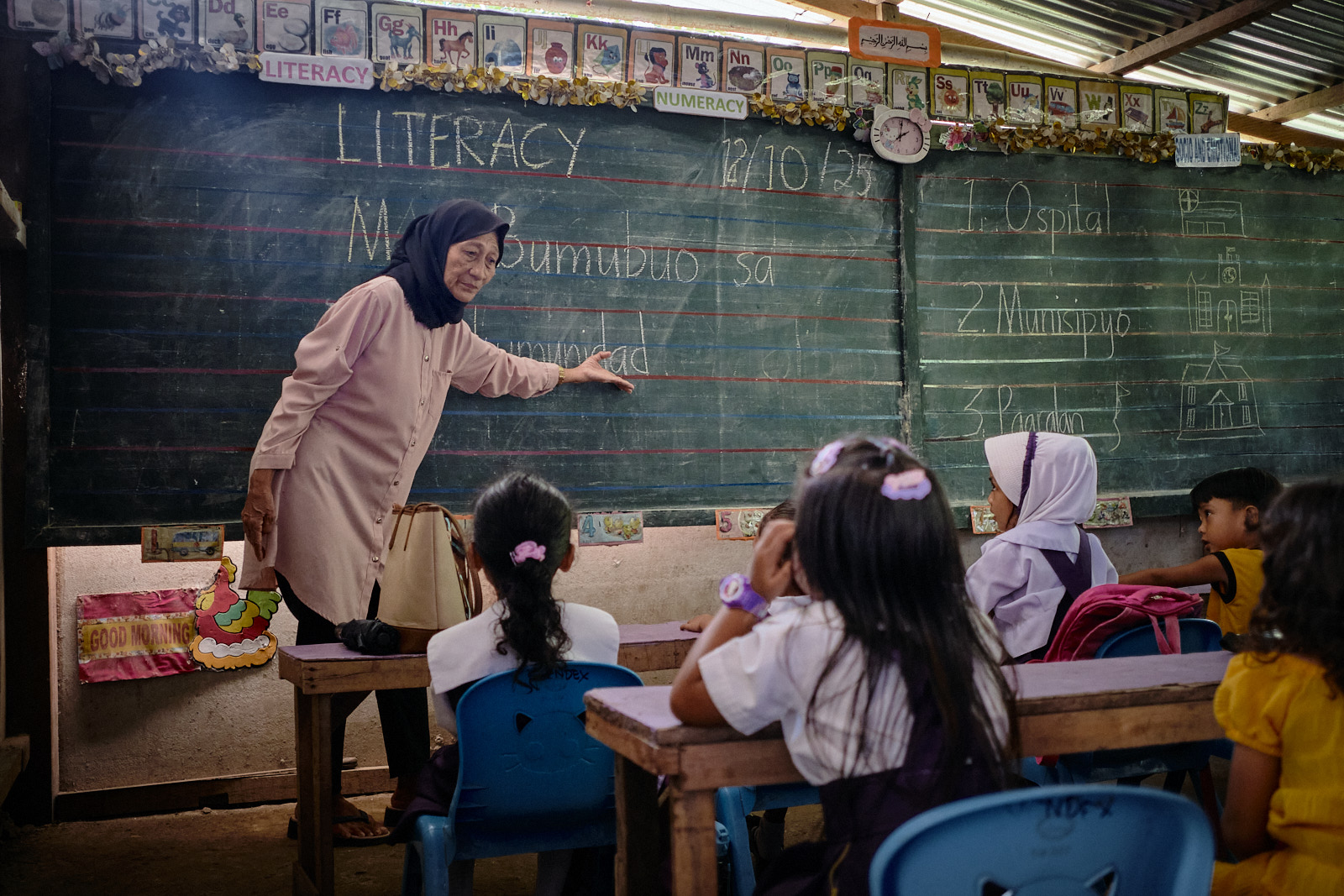
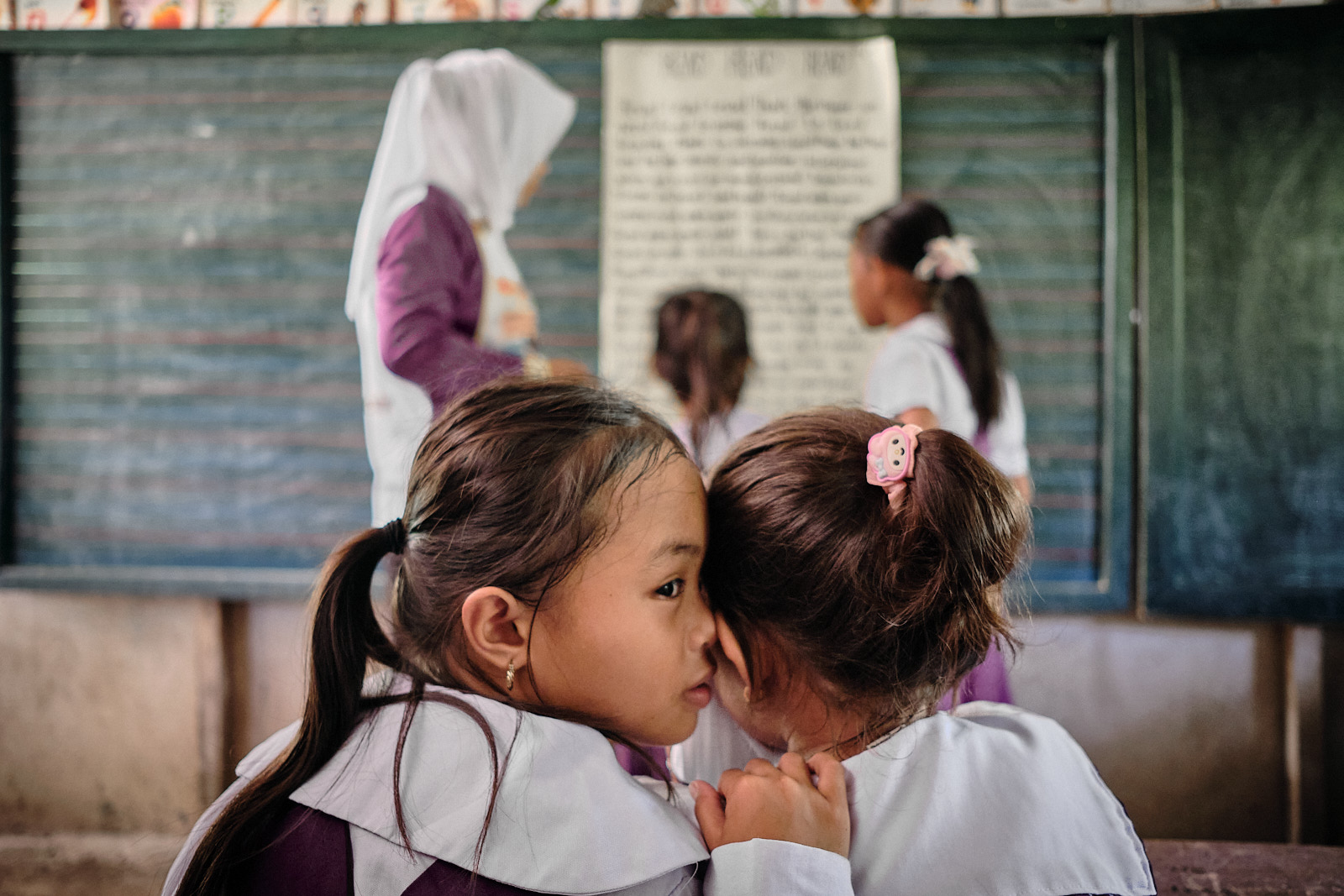
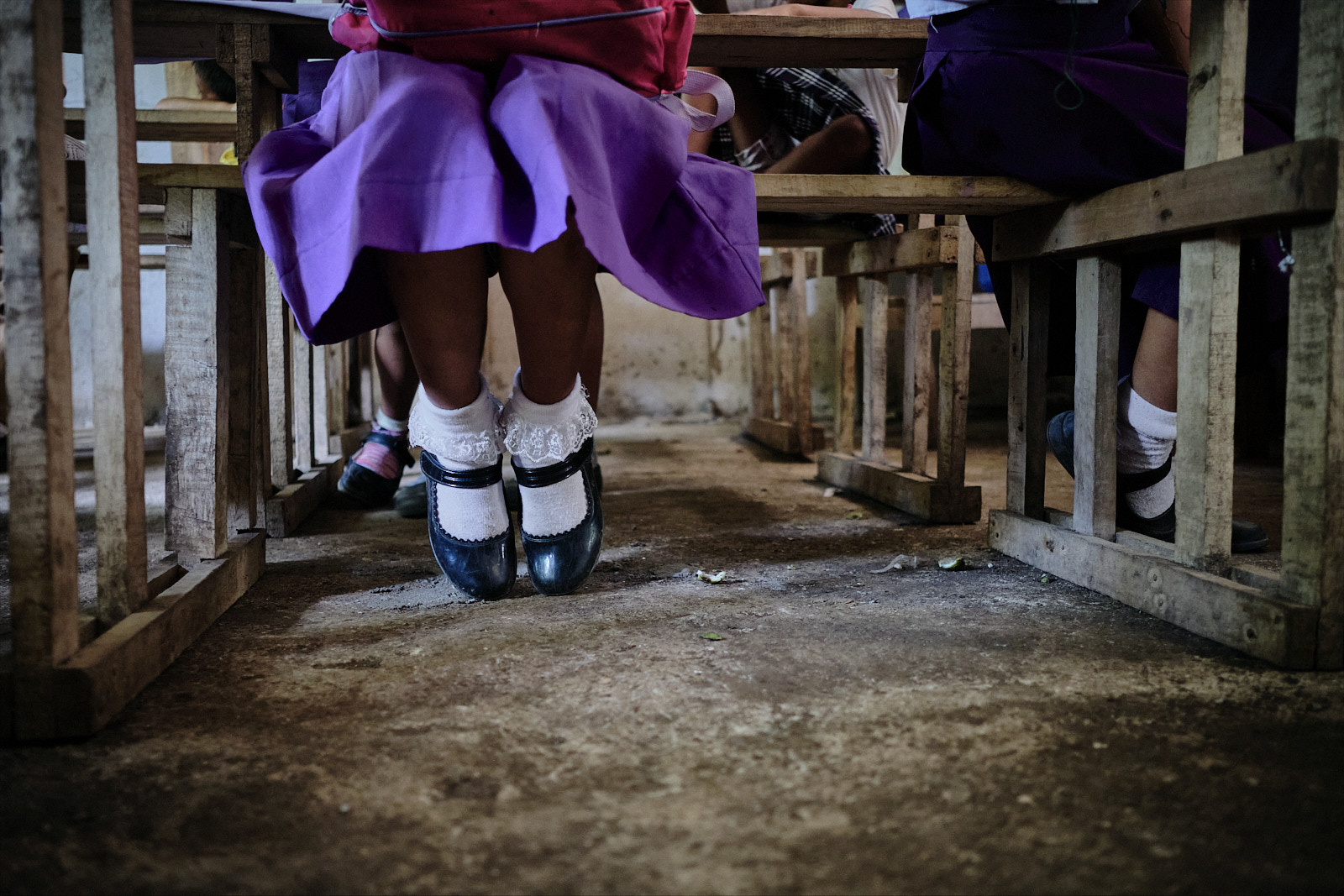
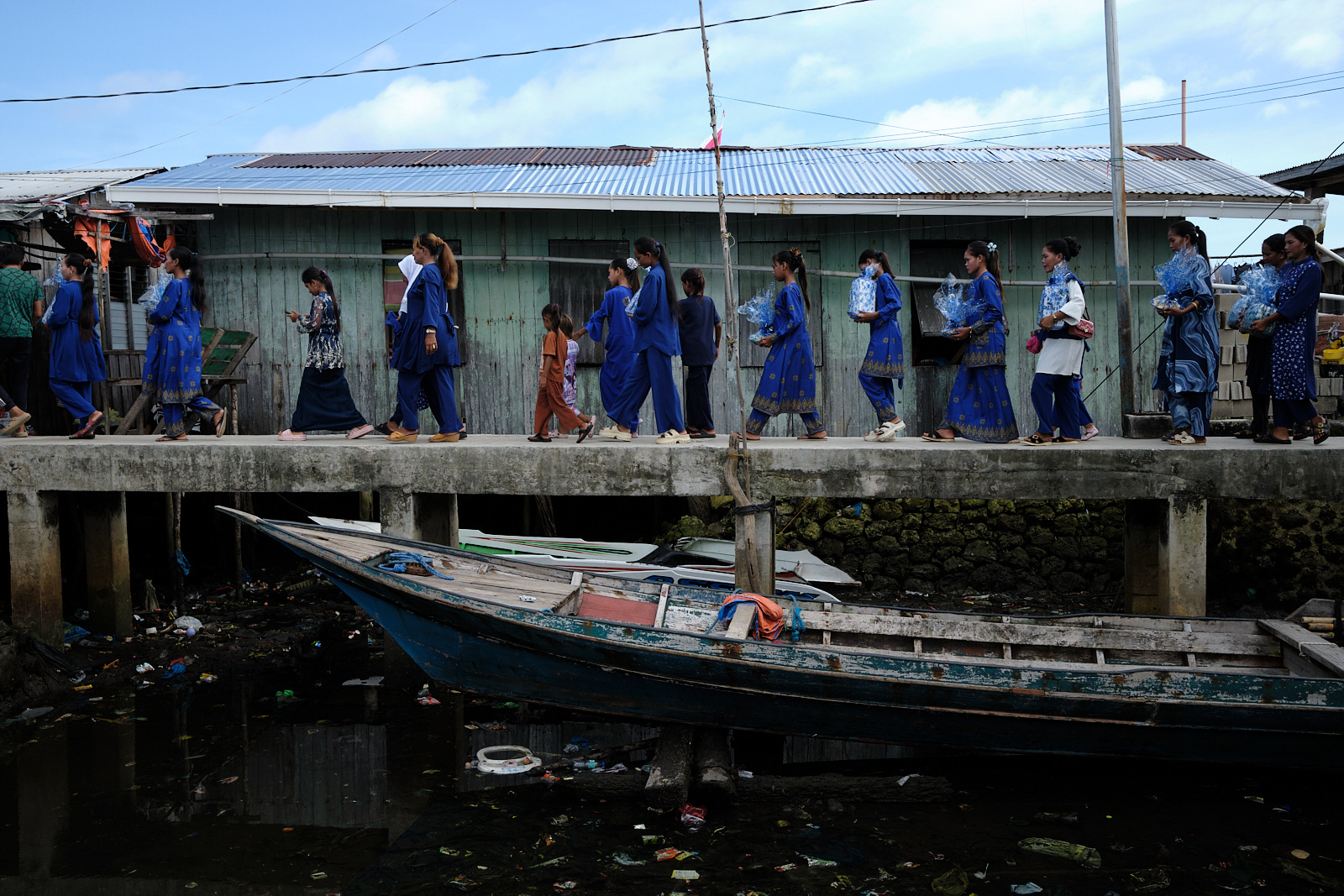
In this landscape, education emerges as both entry point and leverage. Schooling does not replace citizenship, but it creates the conditions for it. For many children, the classroom represents the first structured encounter with institutions and the first space where invisibility becomes visible. Early mockery, discrimination, and logistical barriers contribute to high dropout rates. In some villages, only a minority of children continue beyond primary education.
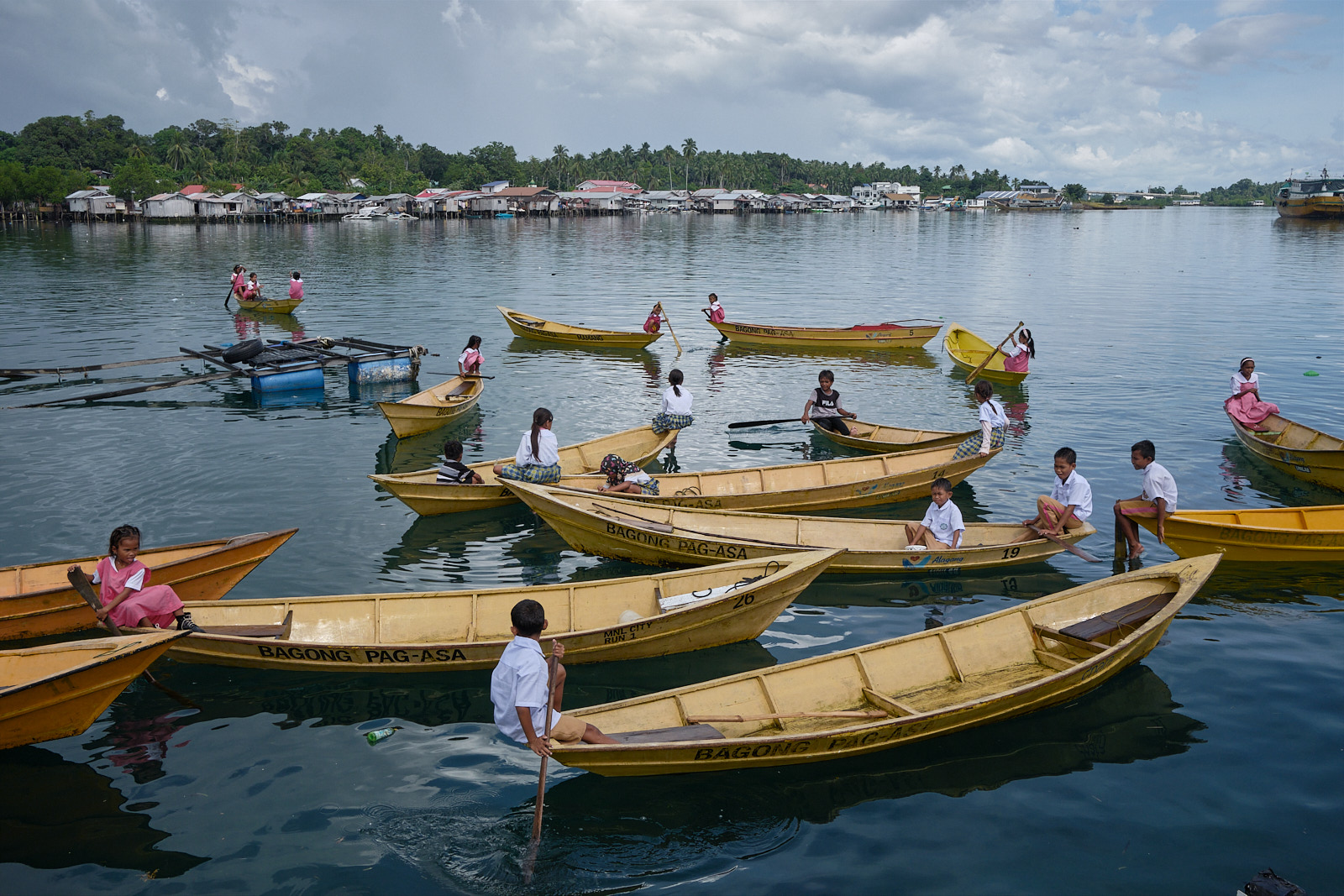
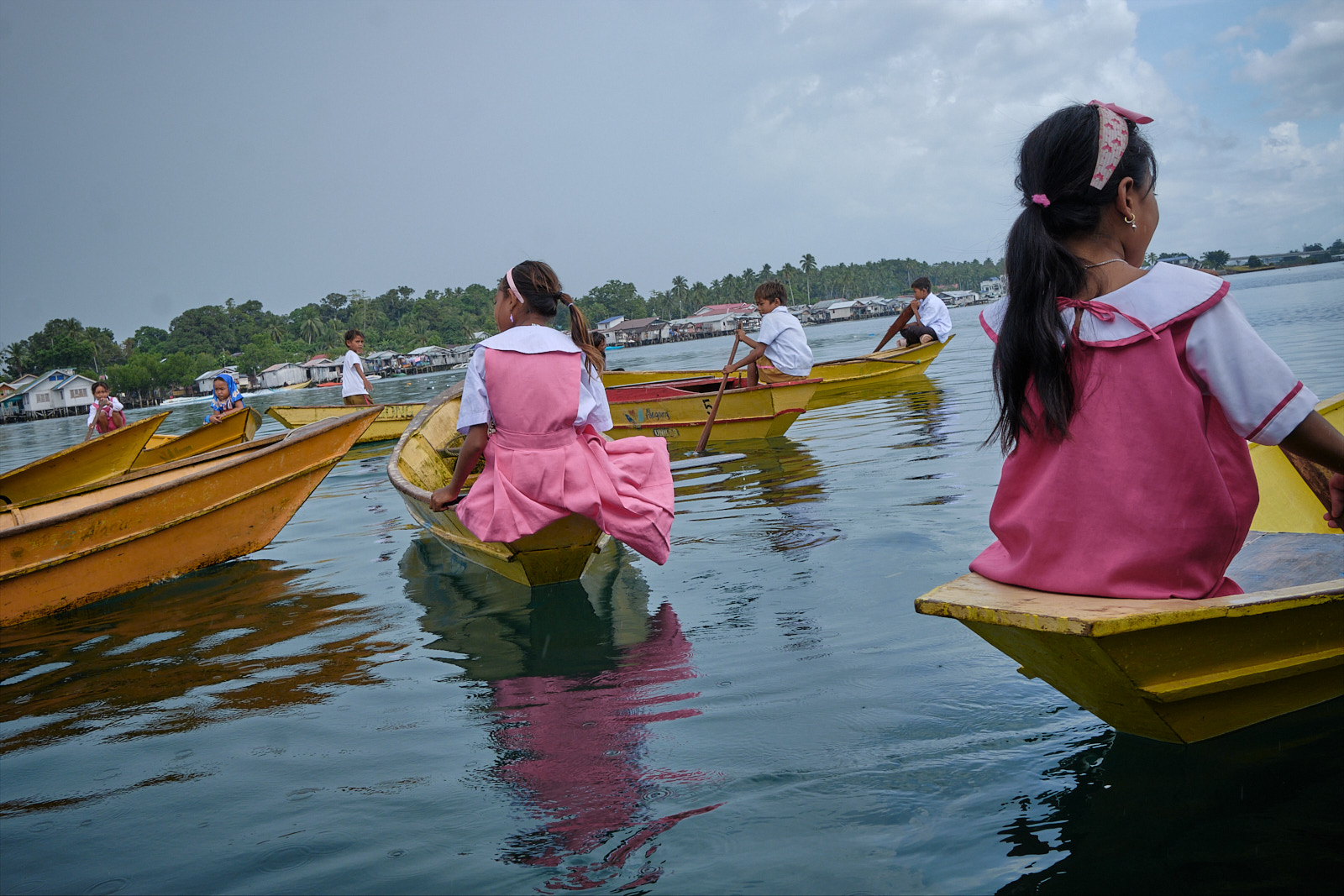
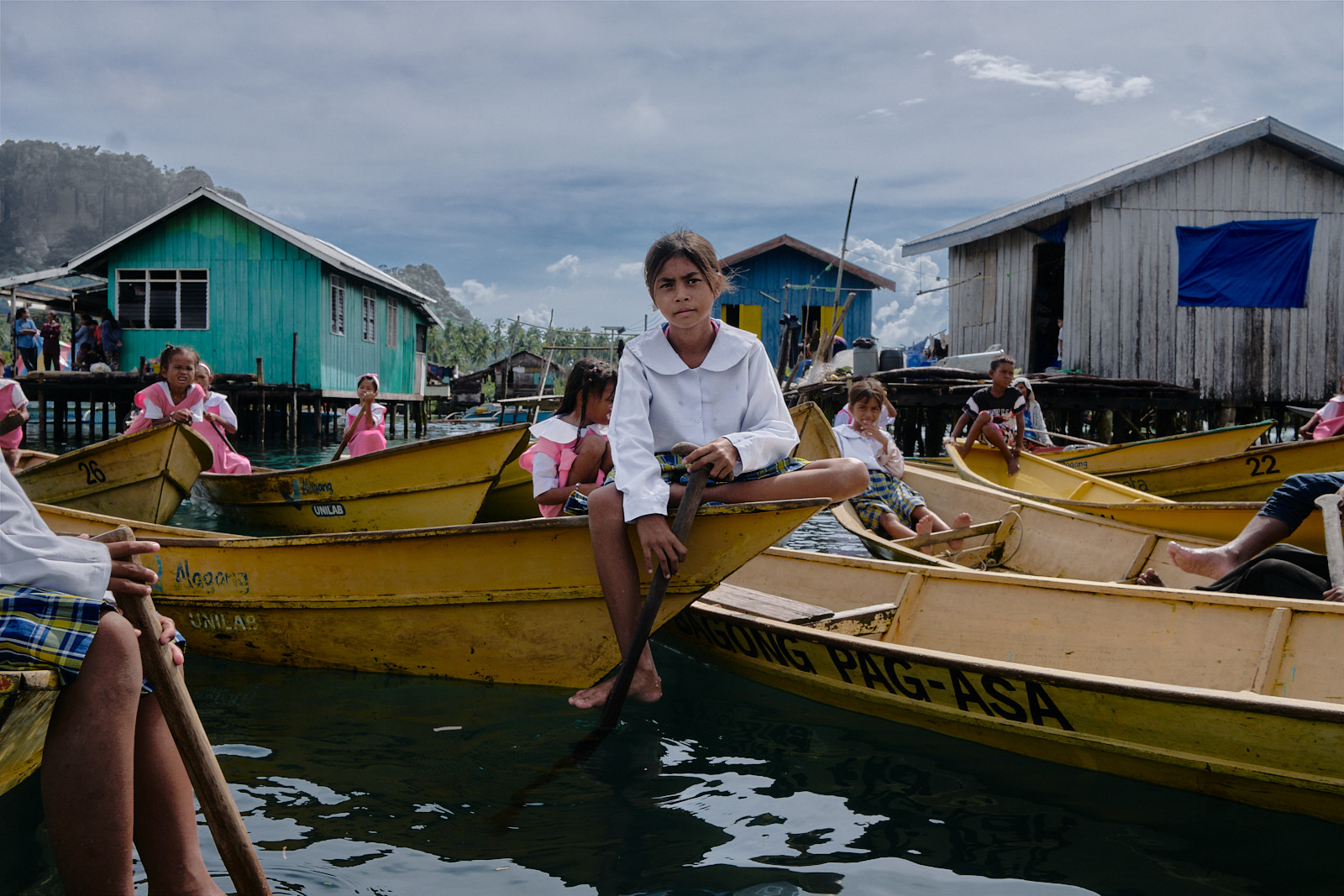
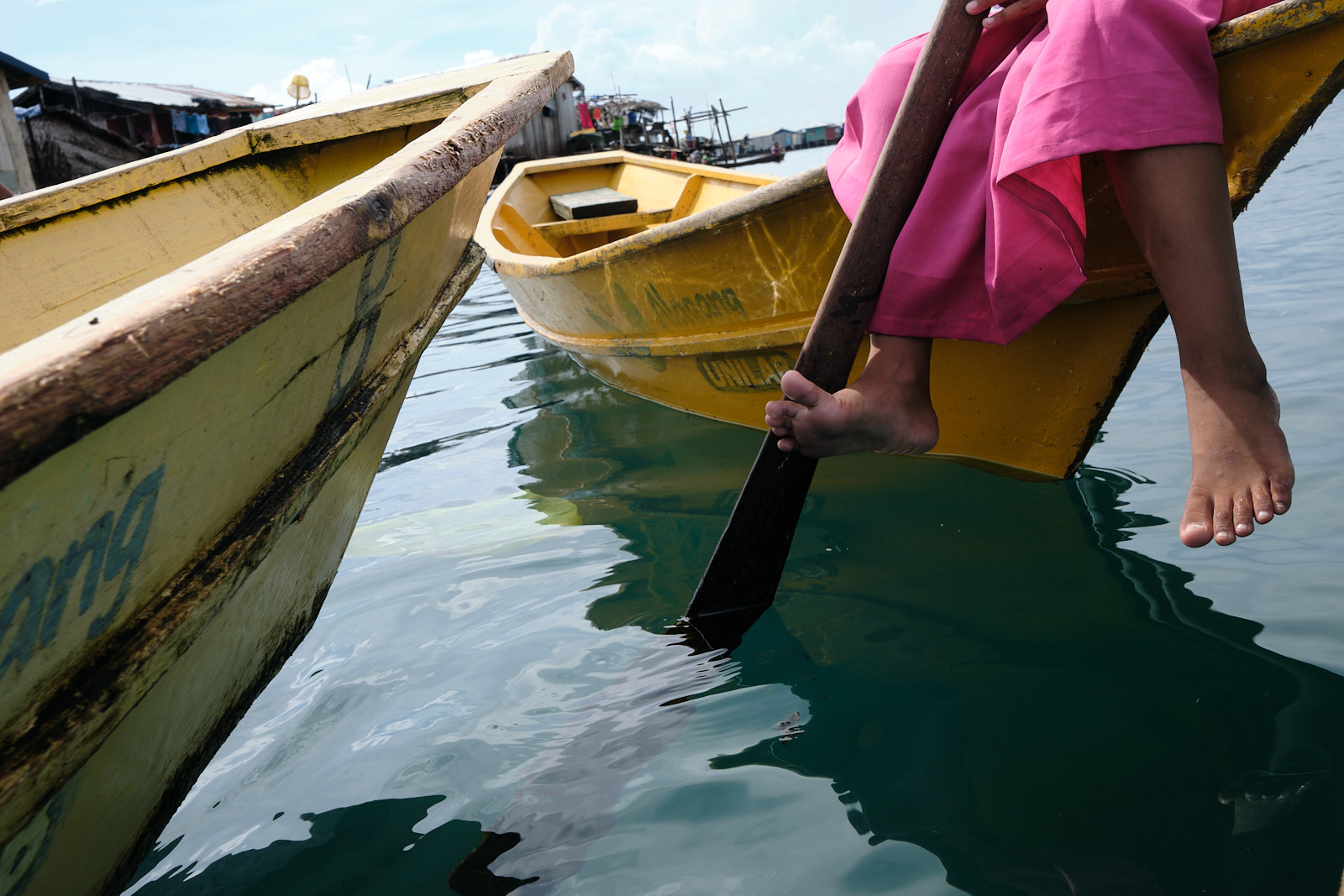
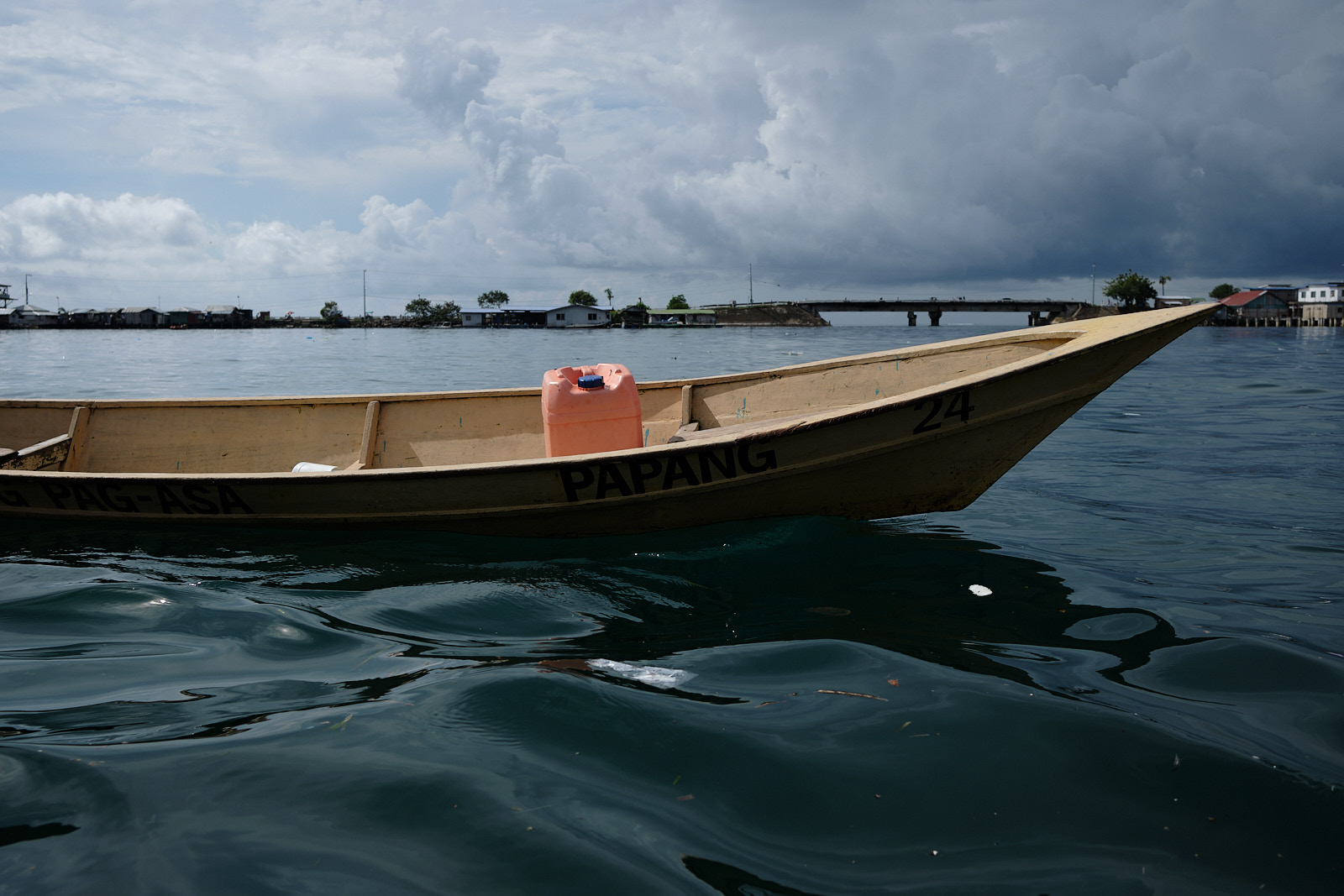
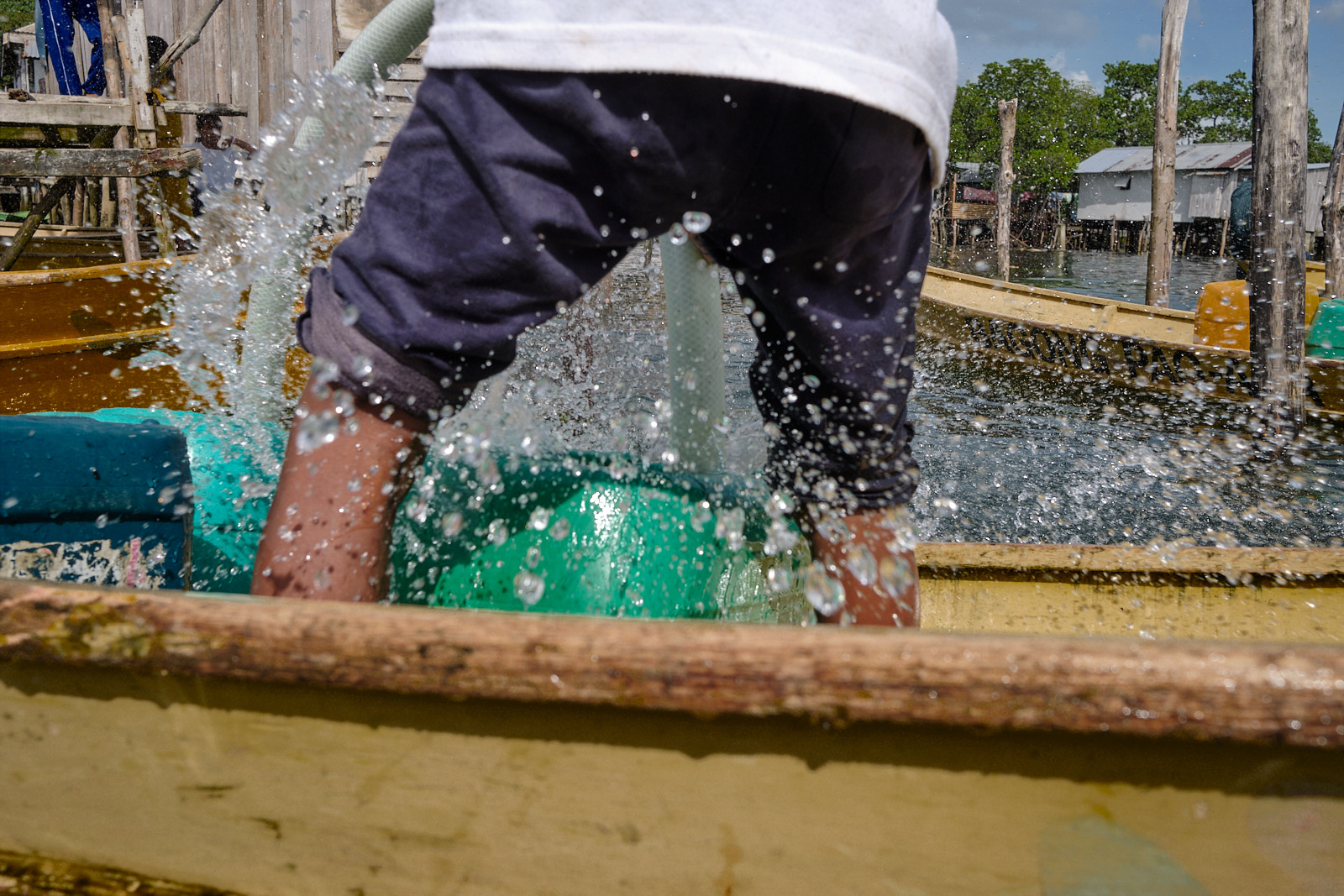
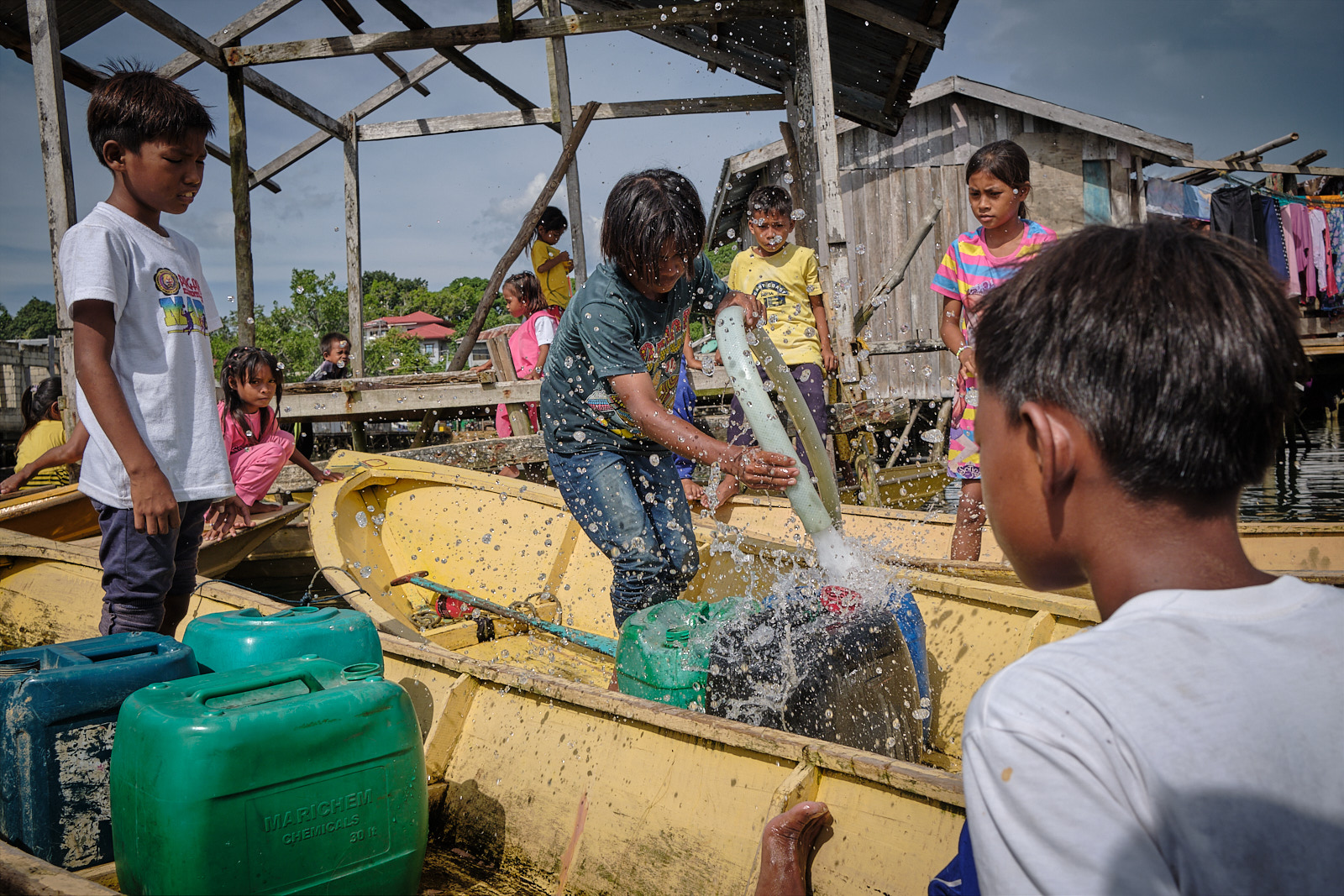
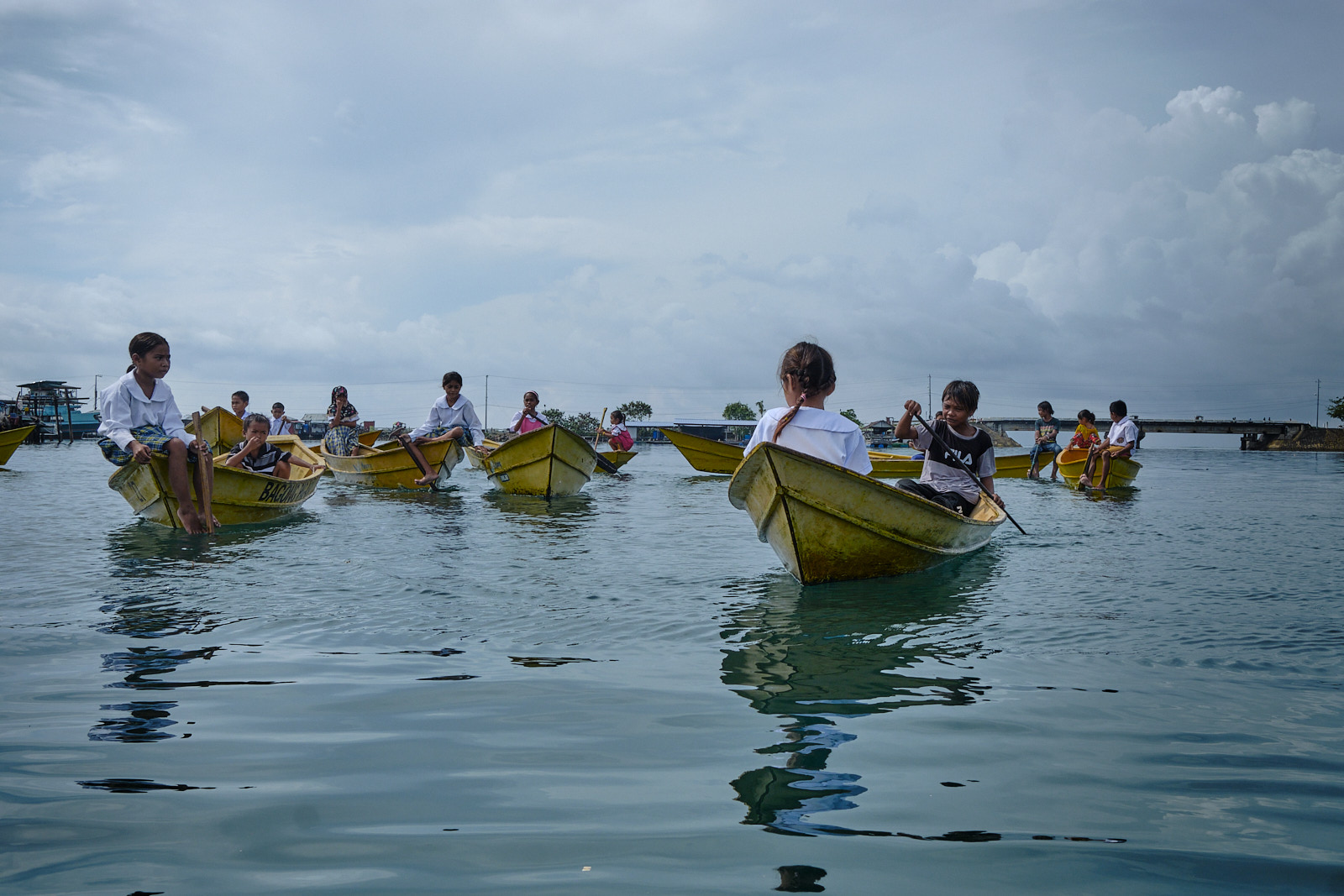
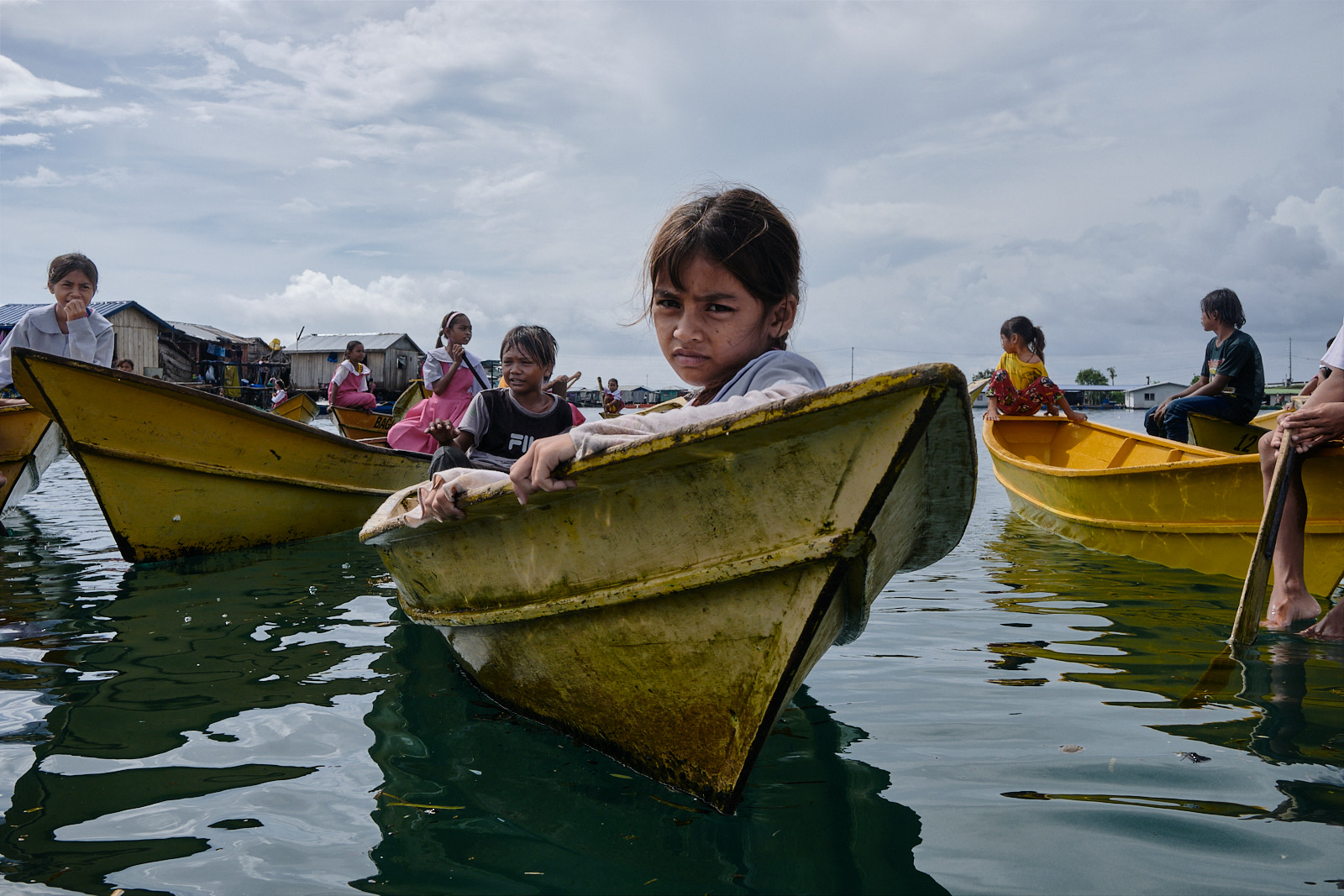
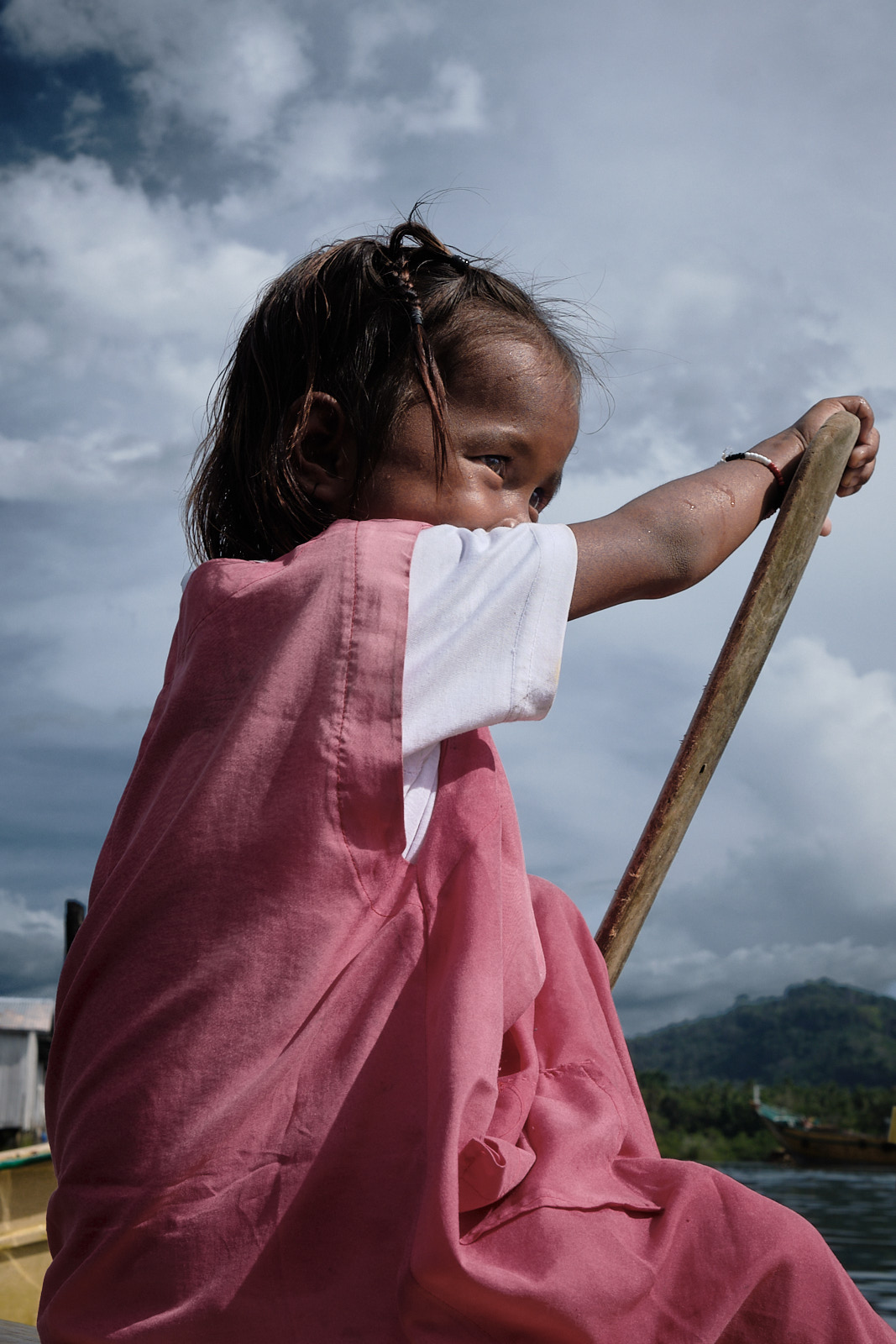
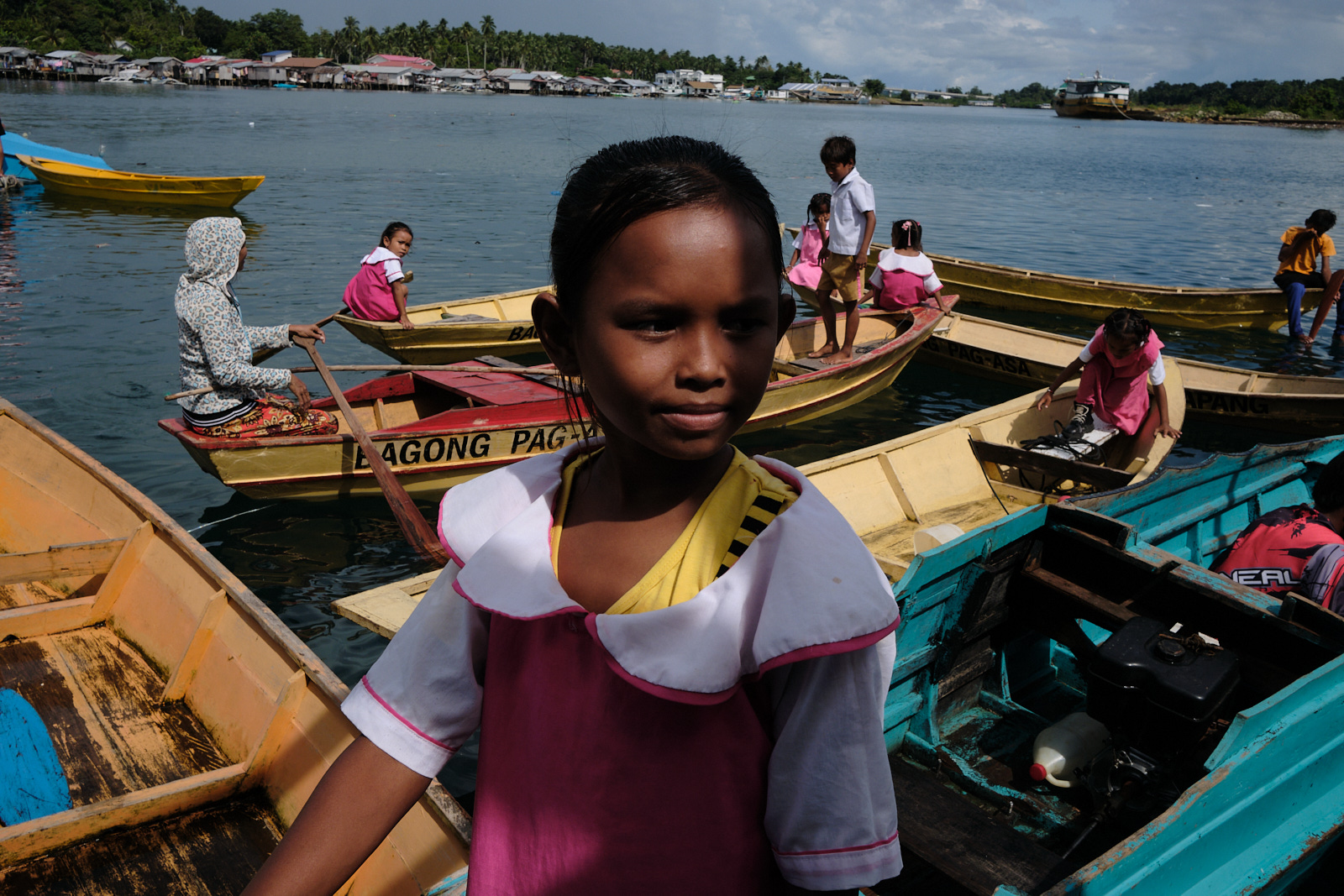
Physical access is one of the most immediate obstacles. Reaching school often requires crossing open water, and not every family owns a boat or can afford fuel. In Pagasinan, a Sama Dilaut village located near Bongao in Tawi-Tawi, and in other coastal settlements, the organisation Yellow Boat of Hope has distributed thousands of small boats alongside school facilities and support programmes. These boats allow children to travel safely to class while also enabling families to collect water and essential goods.
For young Sama Dilaut students, education represents a way to remain rooted in their maritime culture while claiming recognition within the state. The transition is gradual, but something has already begun to change, with a new generation quietly reshaping the terms of belonging.