A Thin Line Forward
Georgia’s authoritarian turn and its borders consequences
Georgia
Over the past decade, Georgia’s political landscape has undergone a profound transformation. Since 2012, the country has been governed by the Georgian Dream party, founded by oligarch Bidzina Ivanishvili and currently led by Prime Minister Irakli Kobakhidze, with Mikheil Kavelashvili as president. Following the approval of the controversial “foreign agents” law in April 2024 and the disputed parliamentary elections of October 2024, the government has gradually consolidated its power through increasingly authoritarian measures, tightening its control over institutions, media and public dissent.
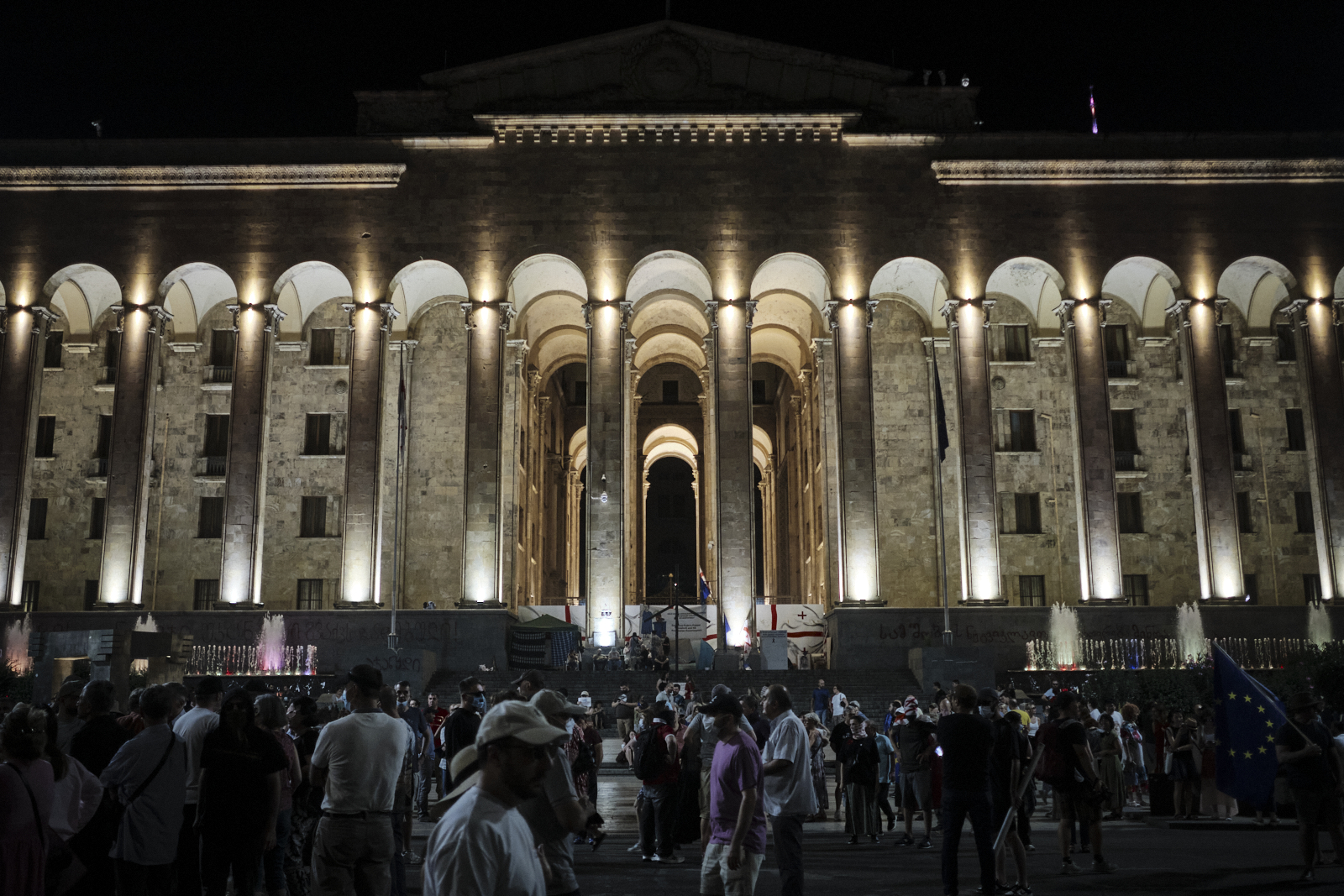
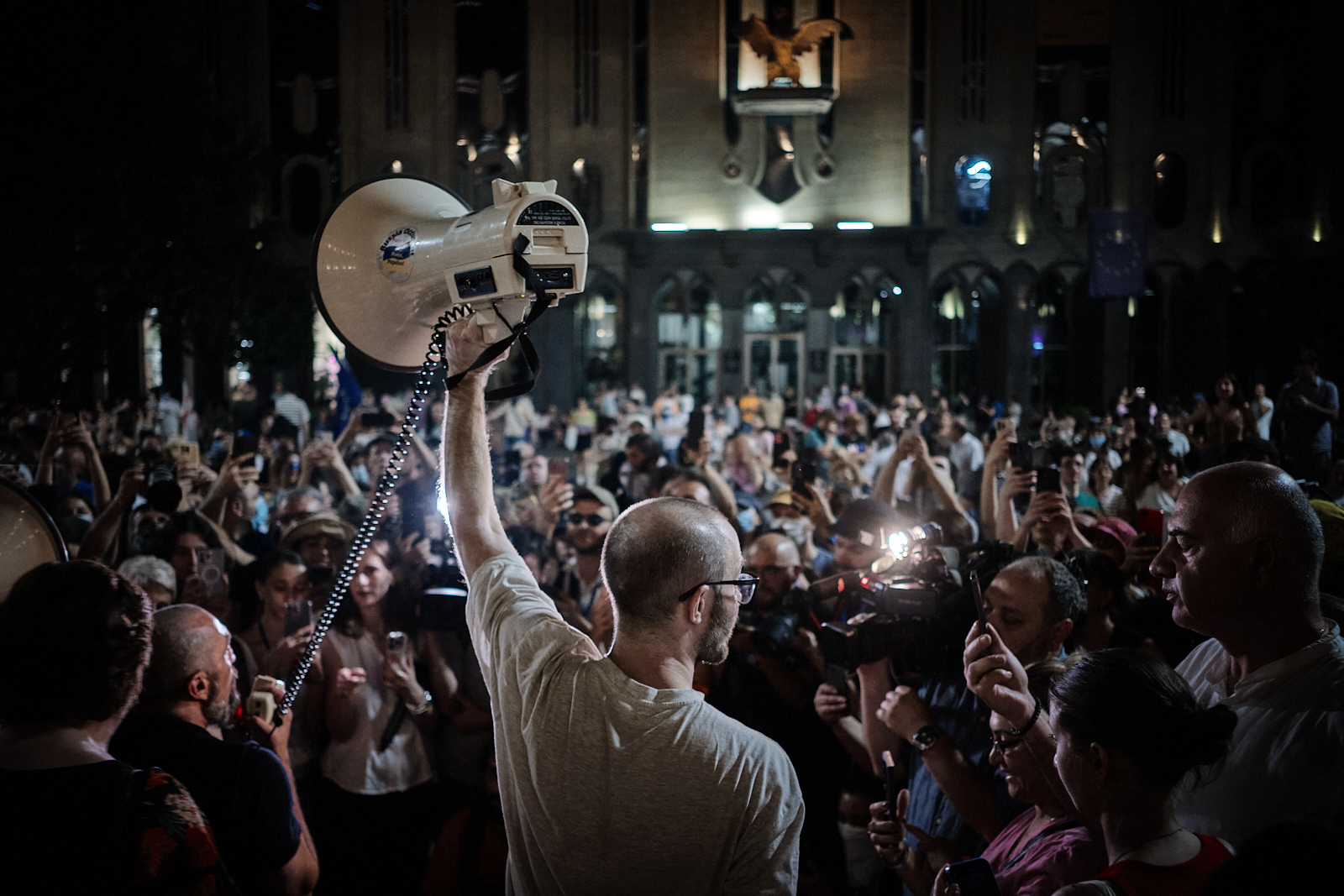
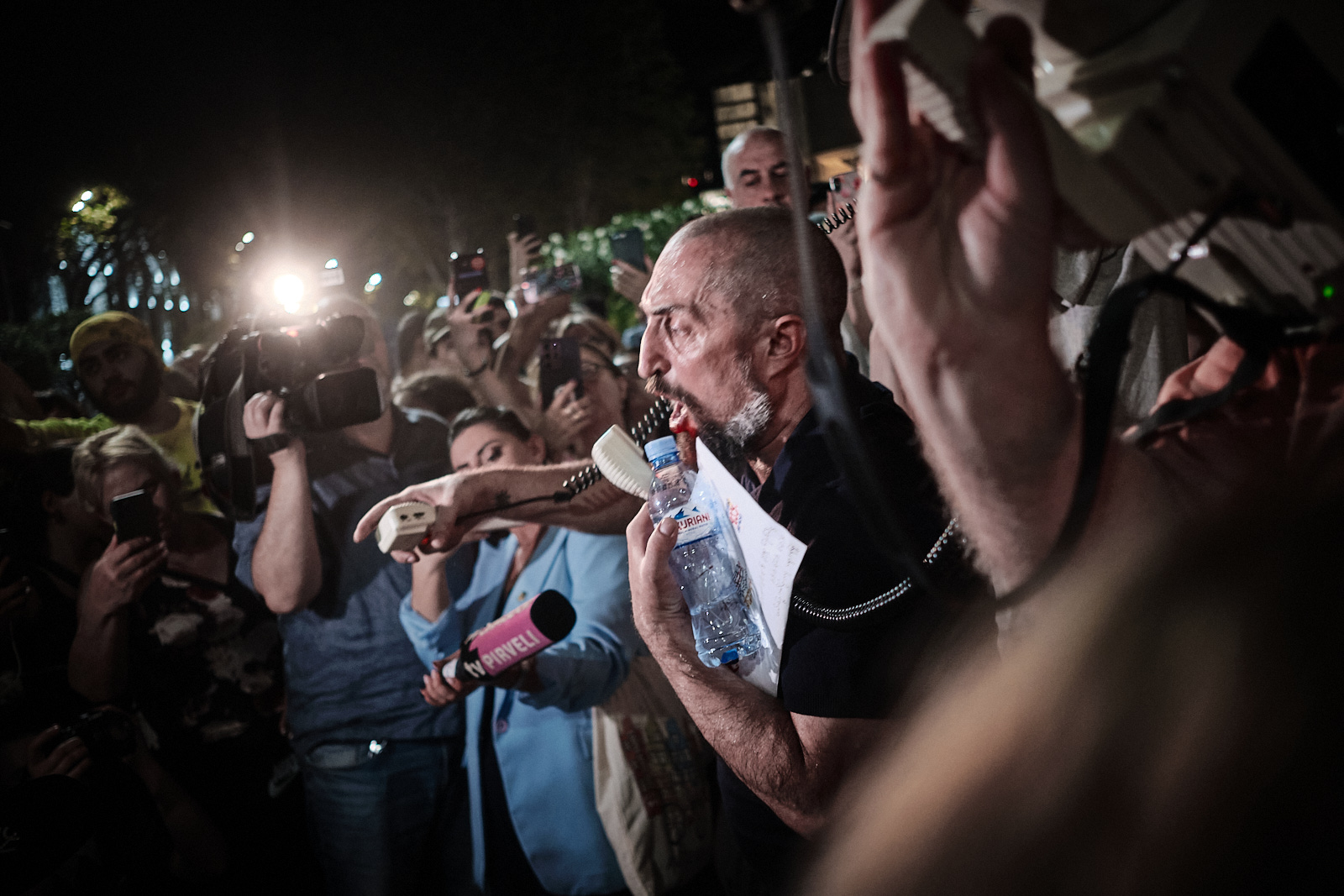
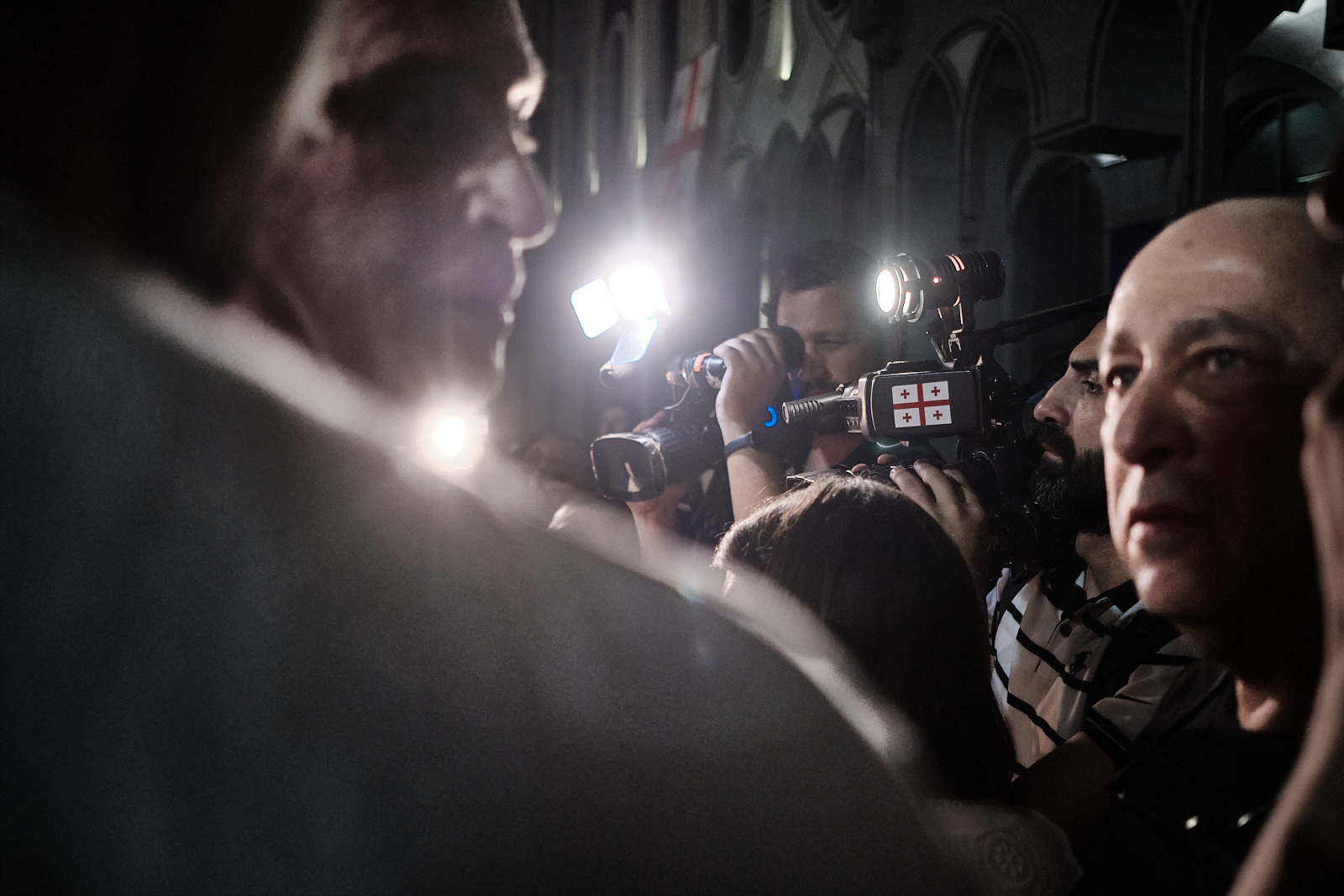
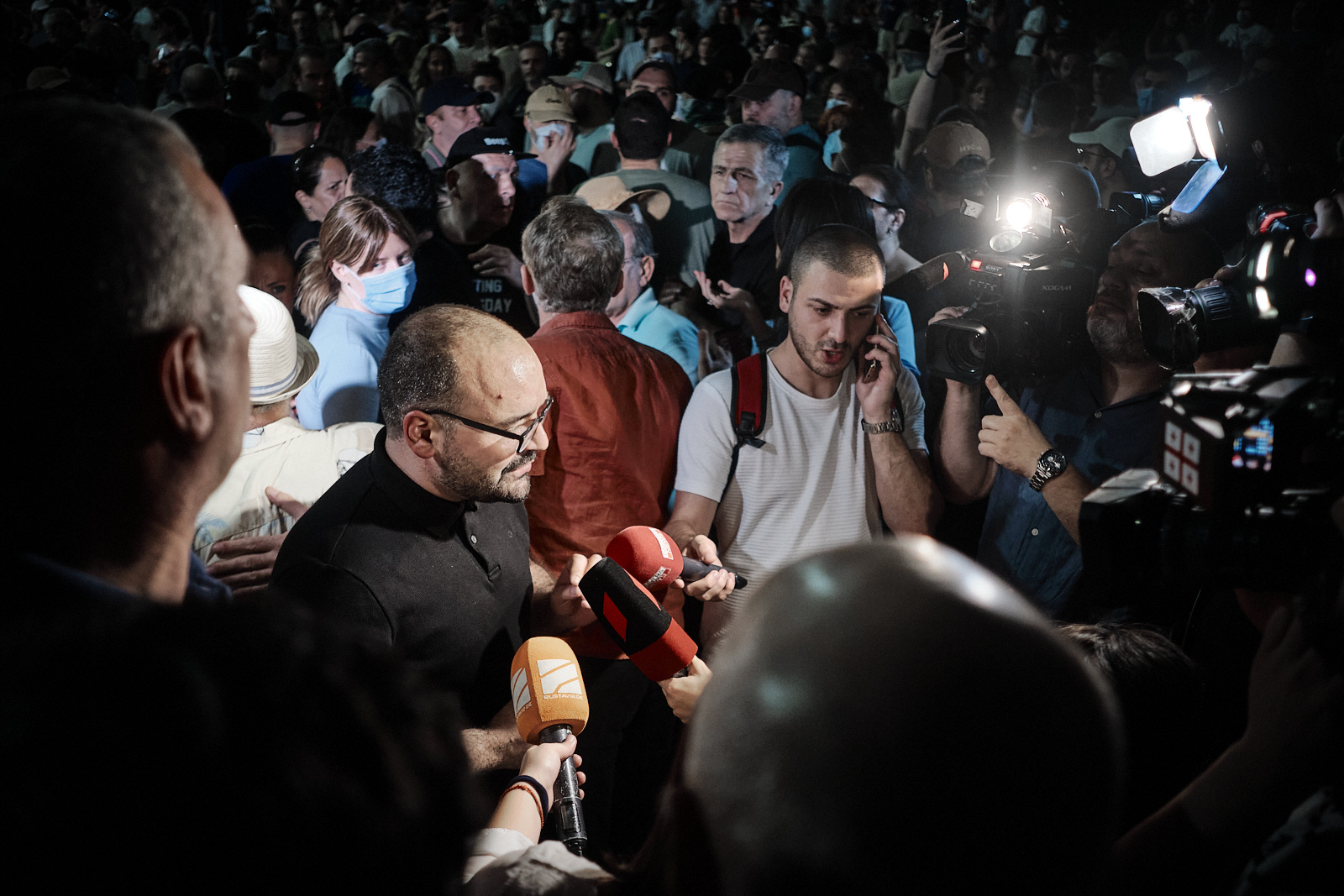
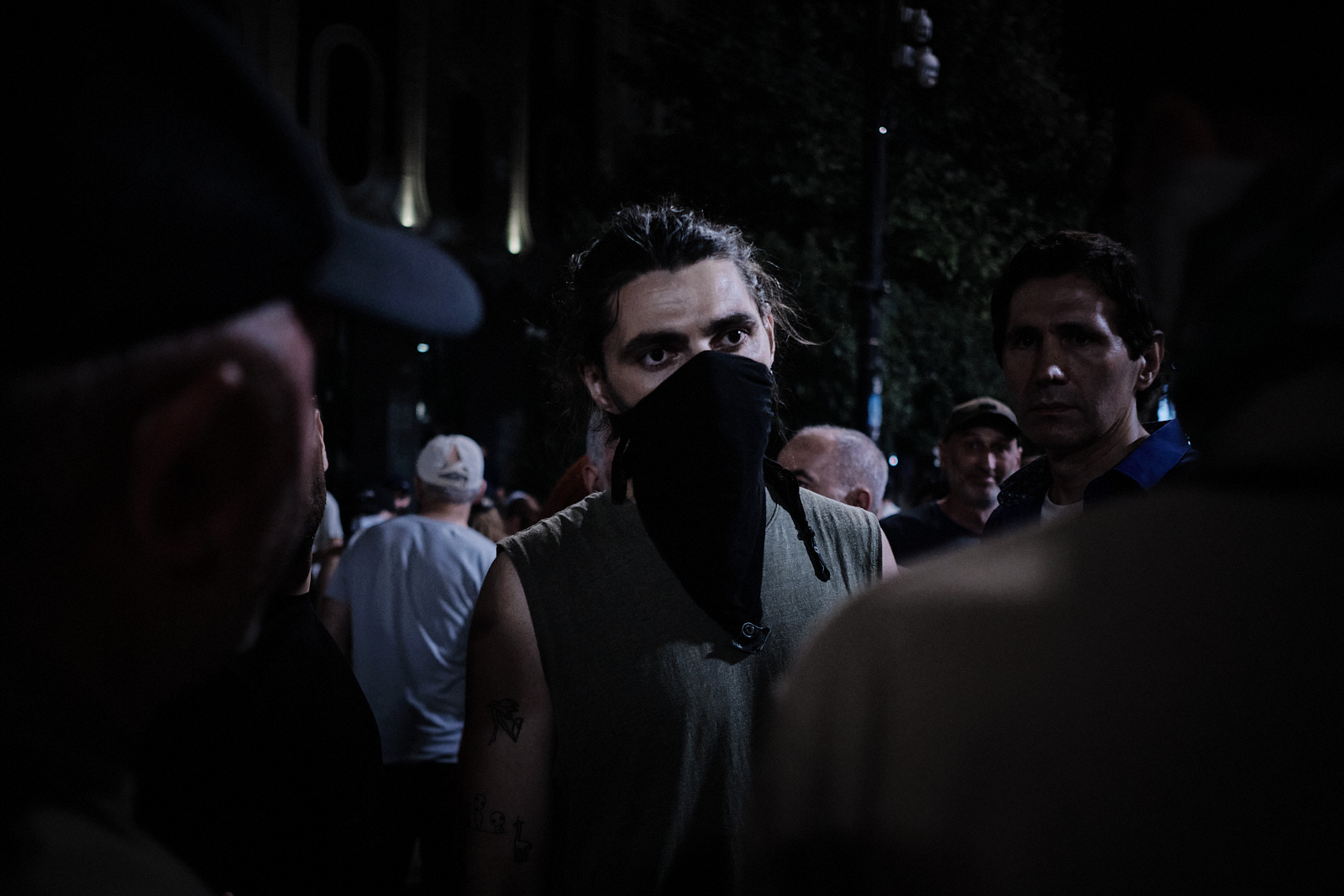
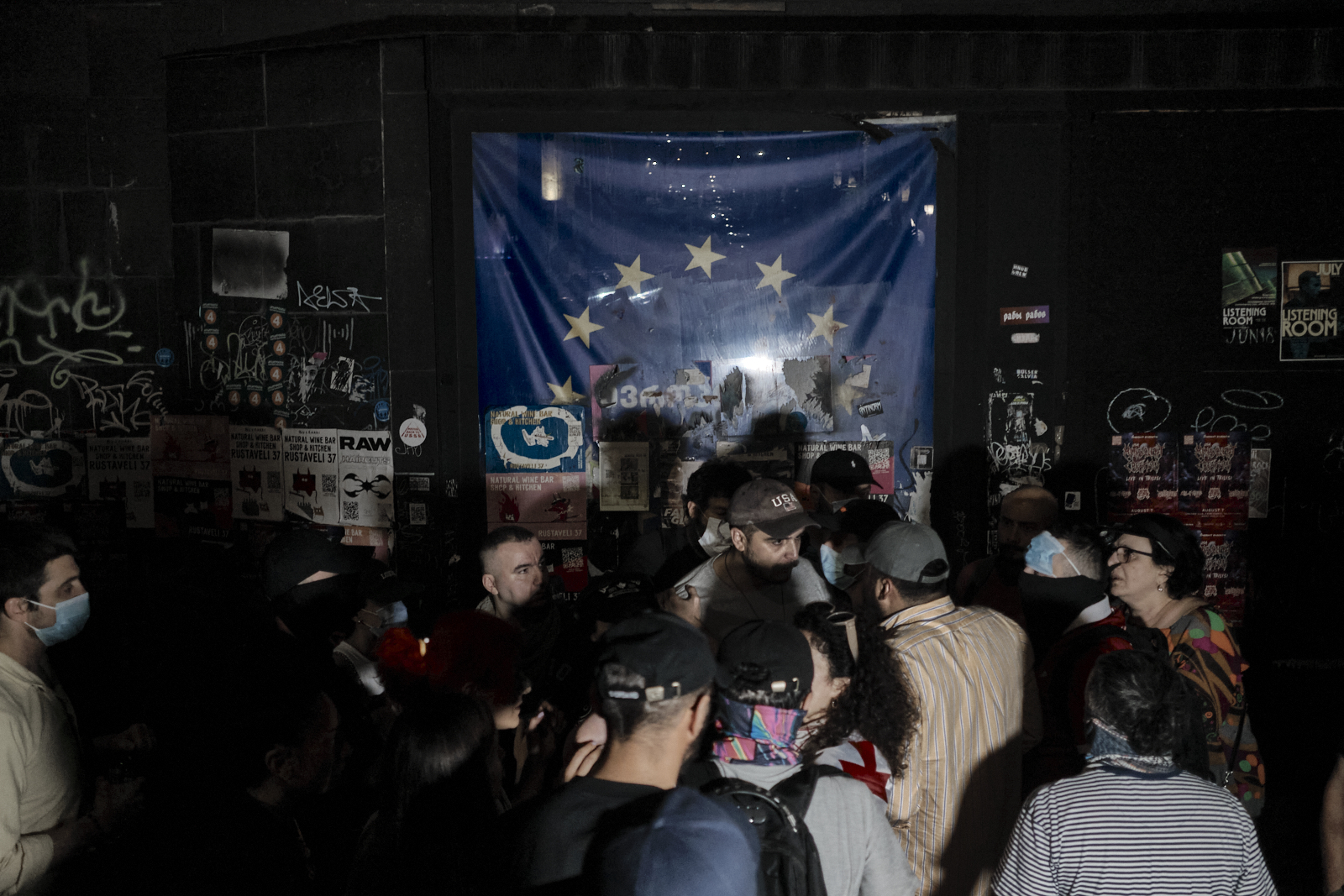
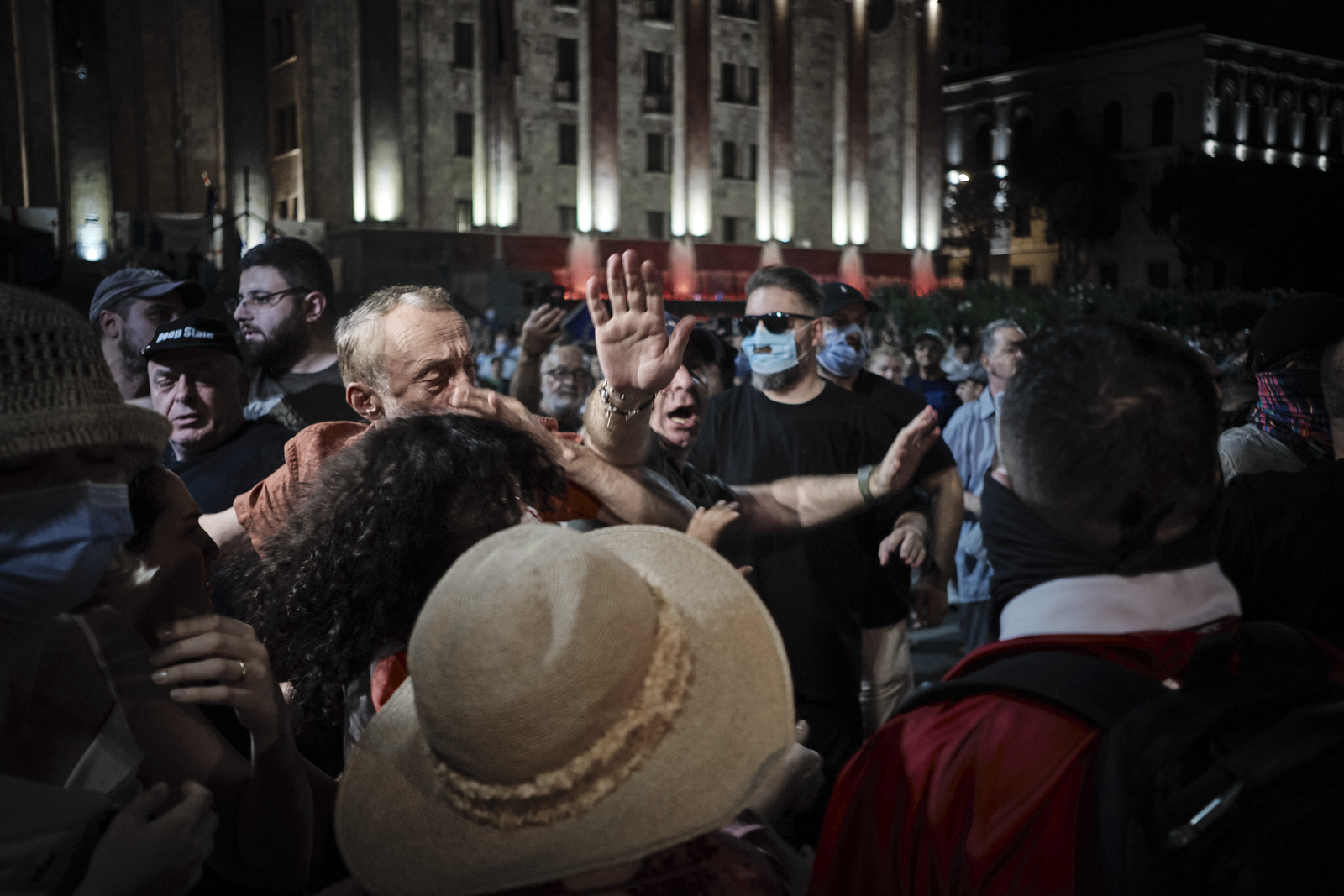
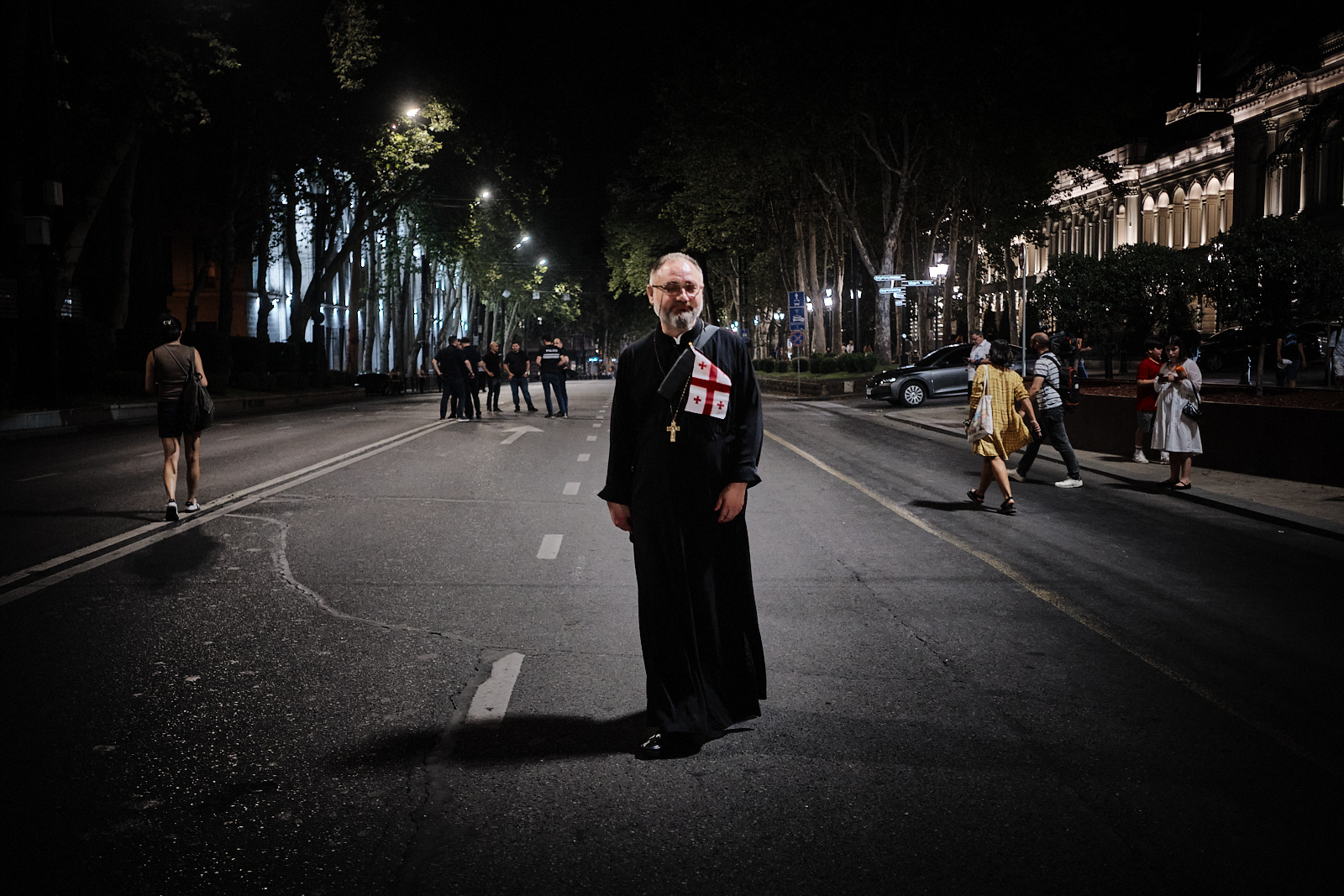
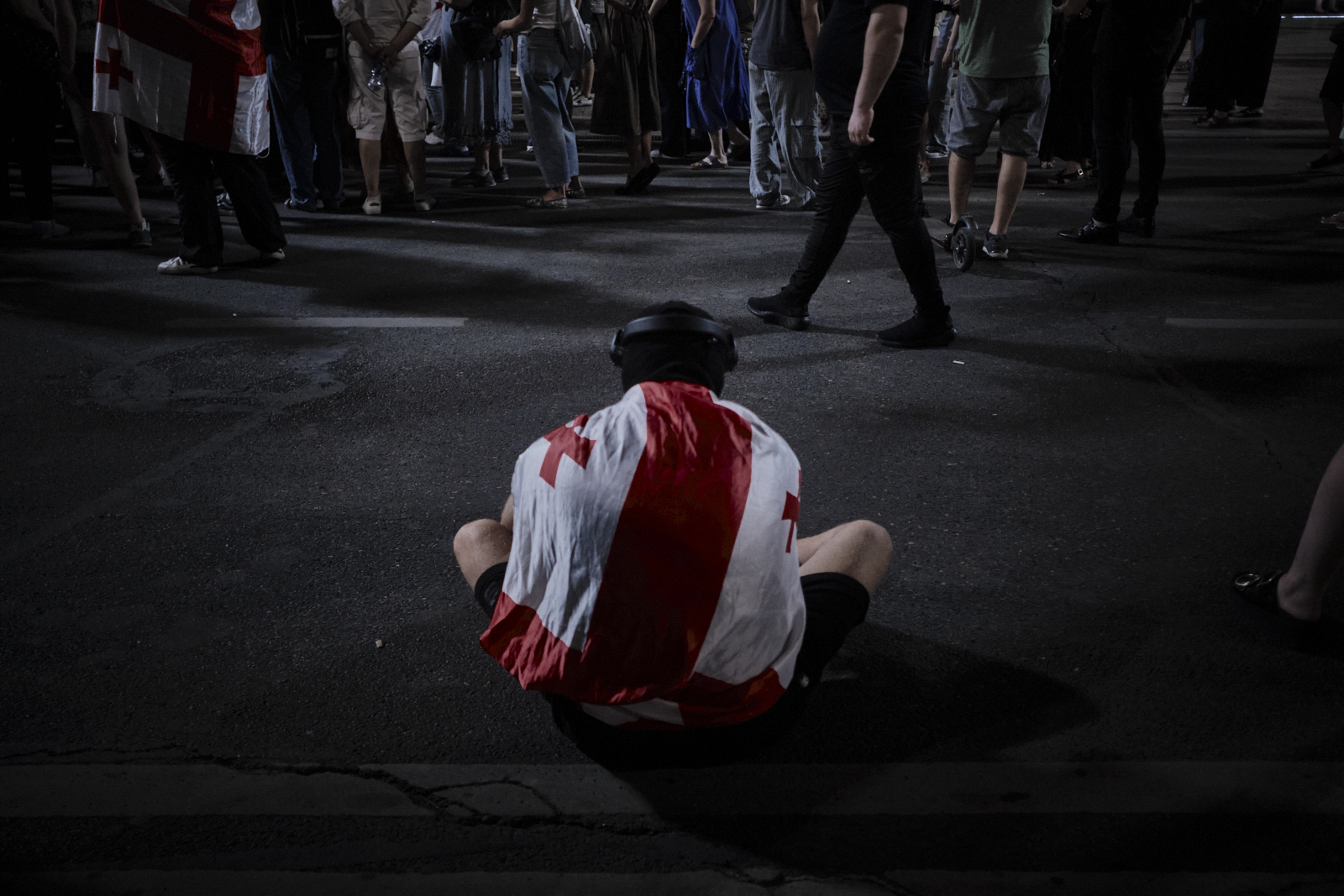
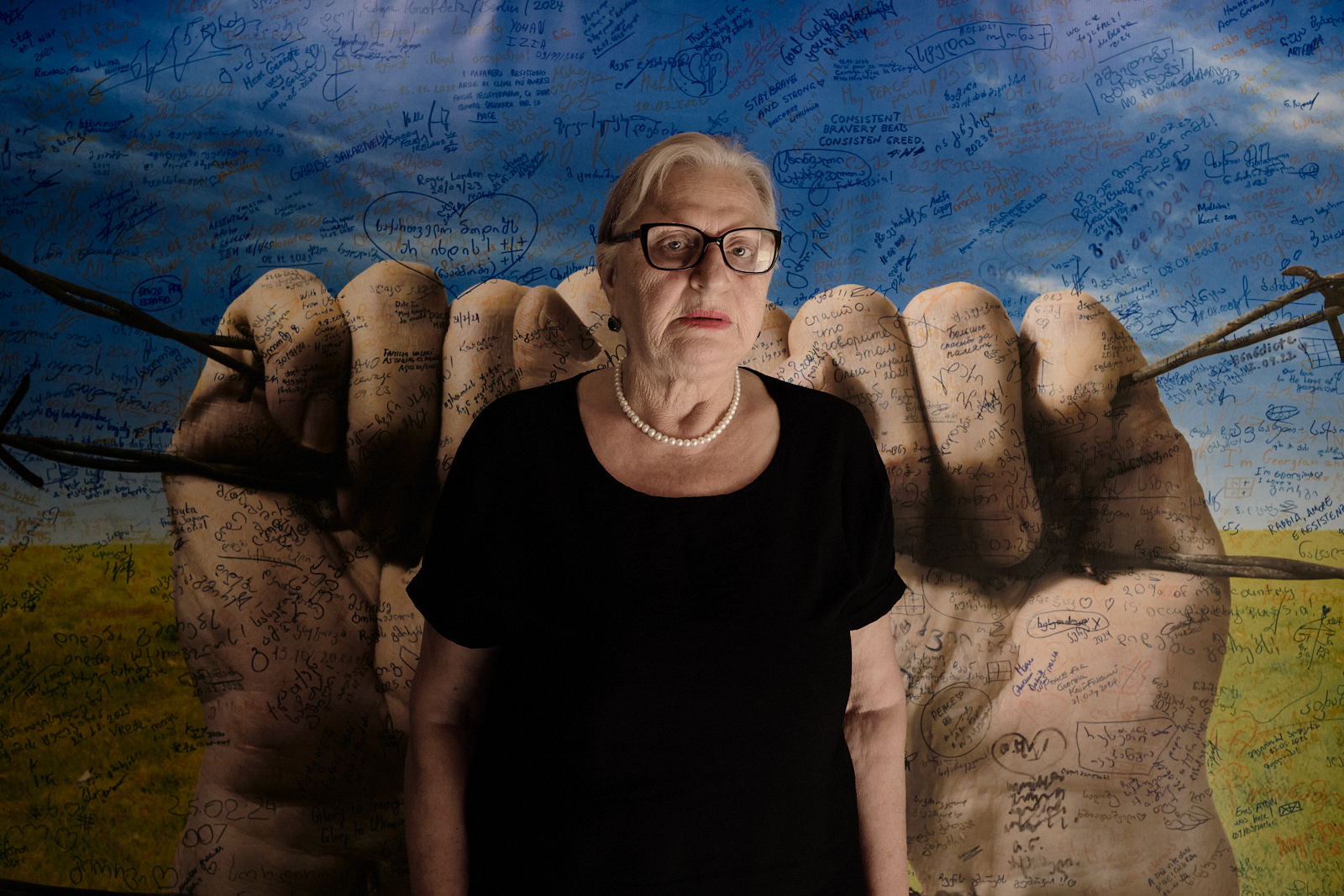
Street protests have continued for more than three hundred days, becoming a permanent feature of public life in Tbilisi. Demonstrations have unfolded in a climate marked by censorship, police violence and the arrest of journalists and opposition figures, while human rights organisations and even the Orthodox Church have publicly condemned abuses and the lack of transparent lawmaking. At the same time, fatigue and resignation are increasingly visible among protesters, as repeated mobilisations have failed to produce tangible political change. This sense of stagnation was reinforced during the 2025 municipal elections in Tbilisi, when Georgian Dream candidate and former footballer Kakha Kaladze won with more than 70 percent of the vote on a turnout of just 31 percent, deepening concerns over the credibility and representativeness of the electoral system.
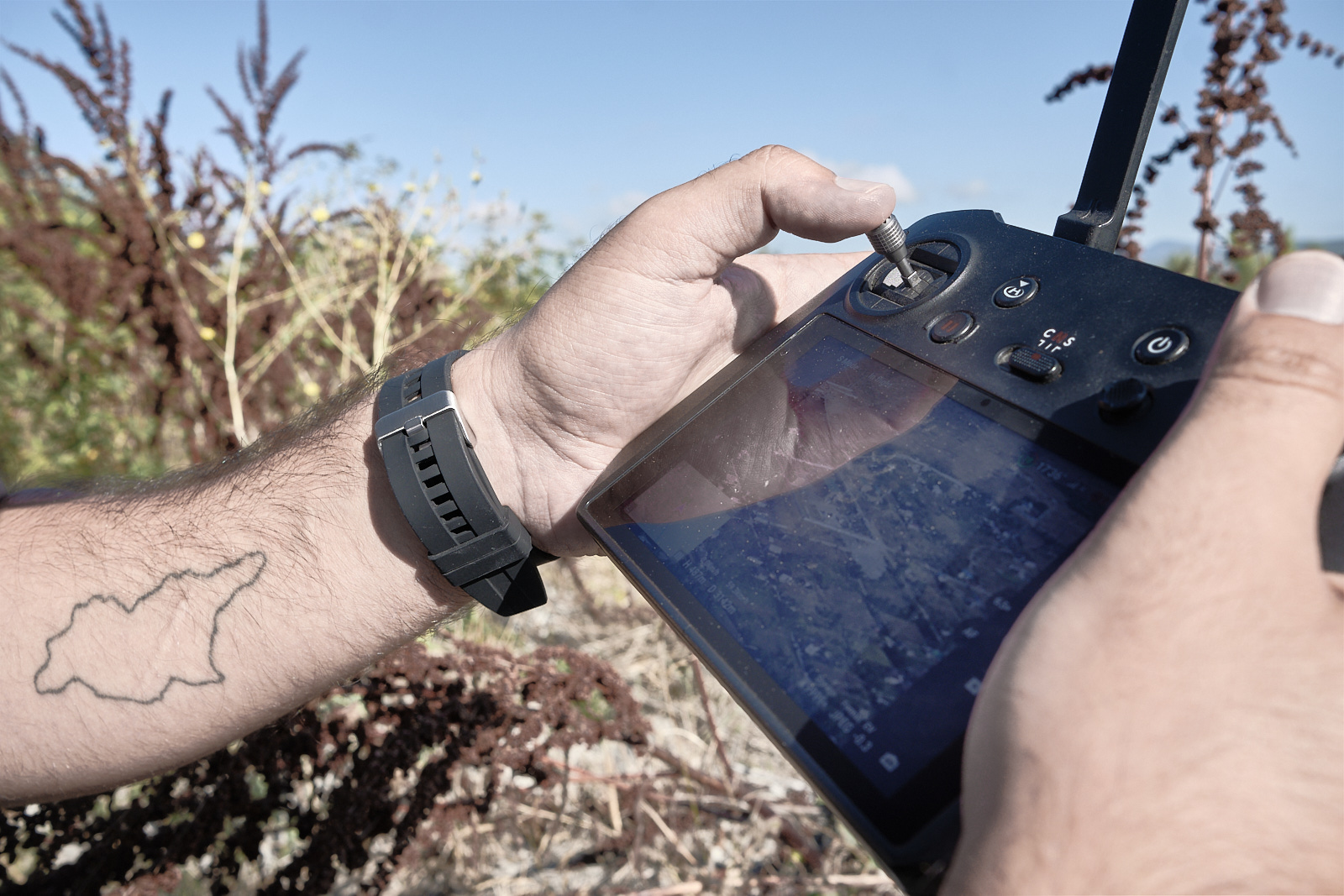
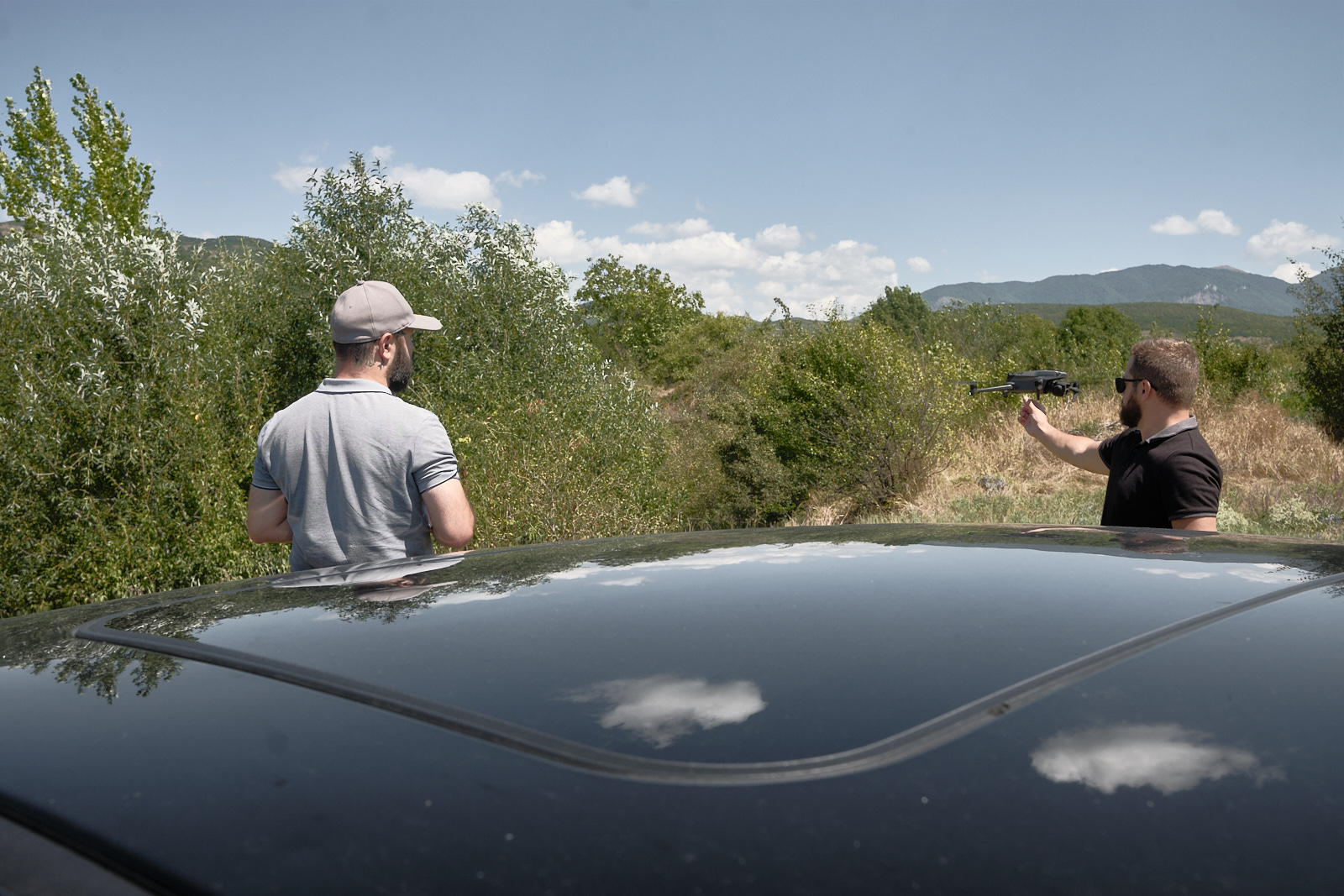
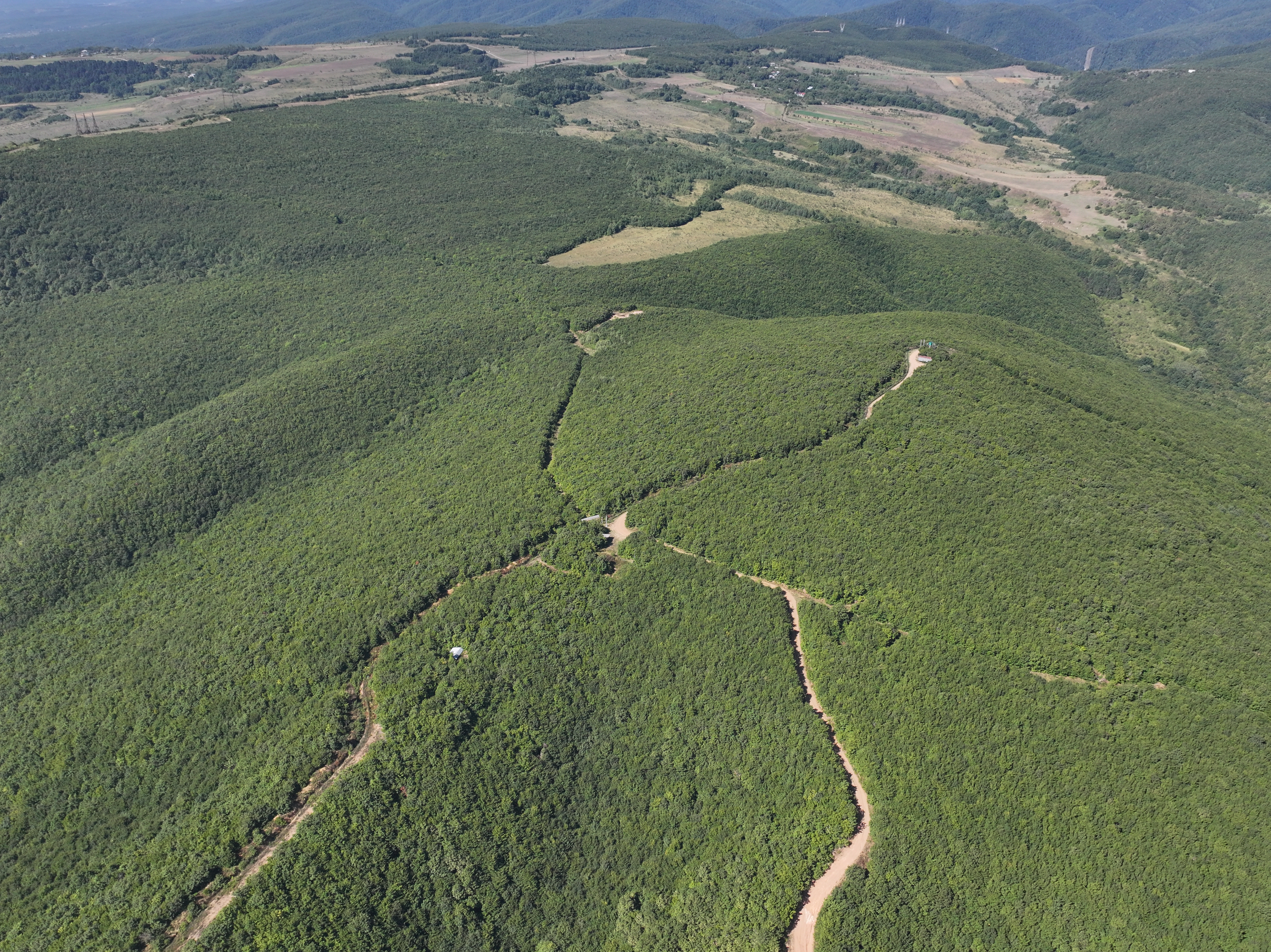
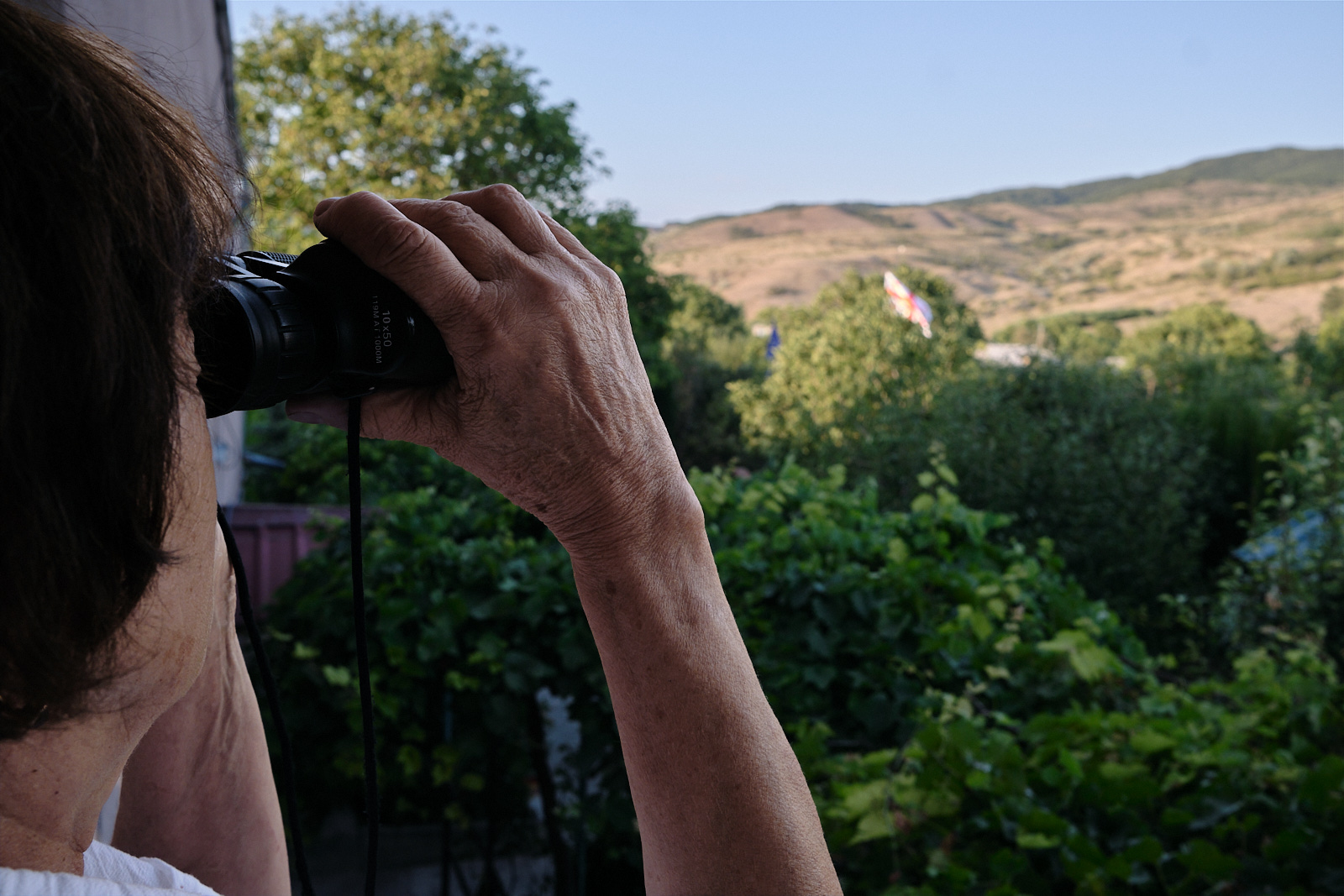
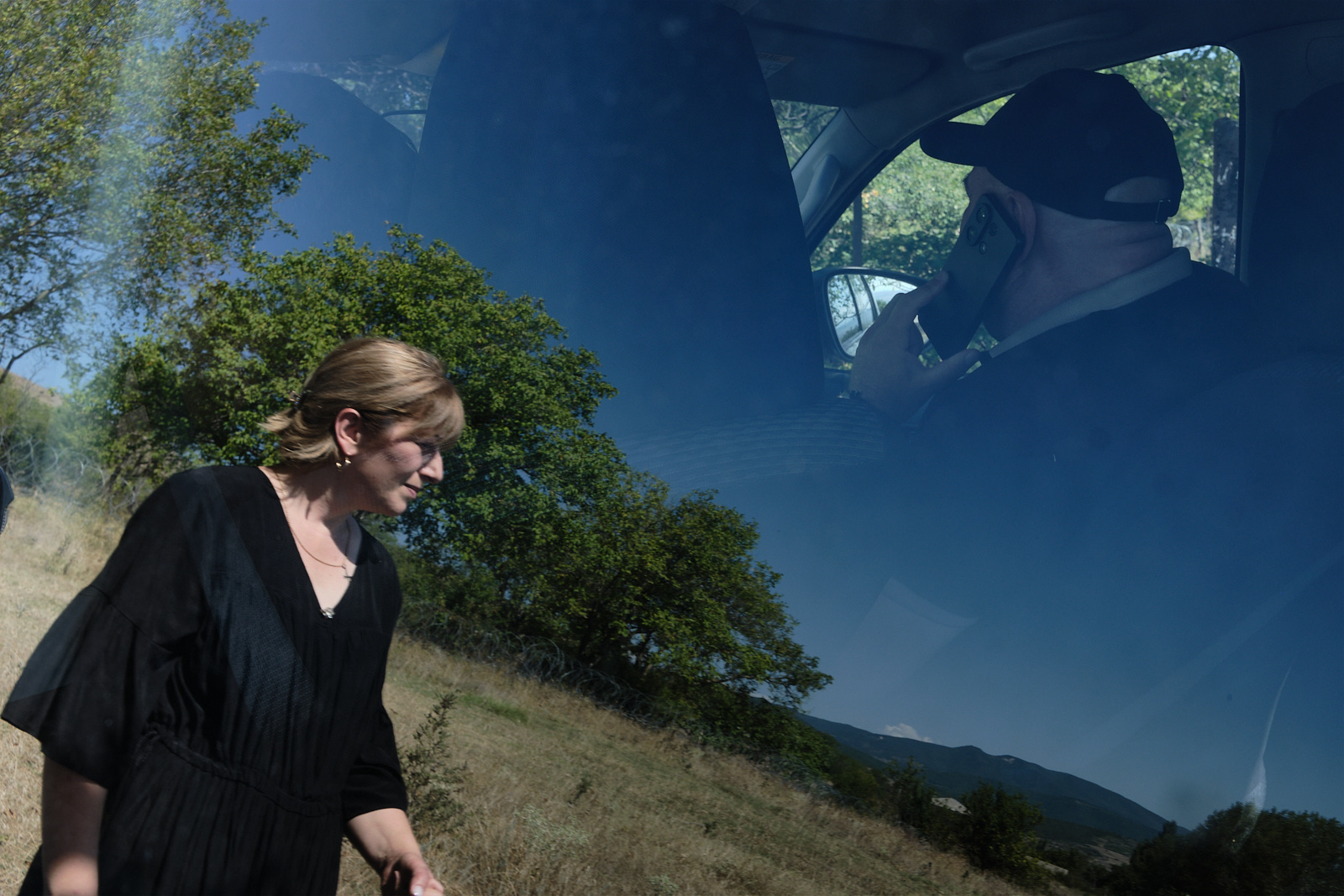
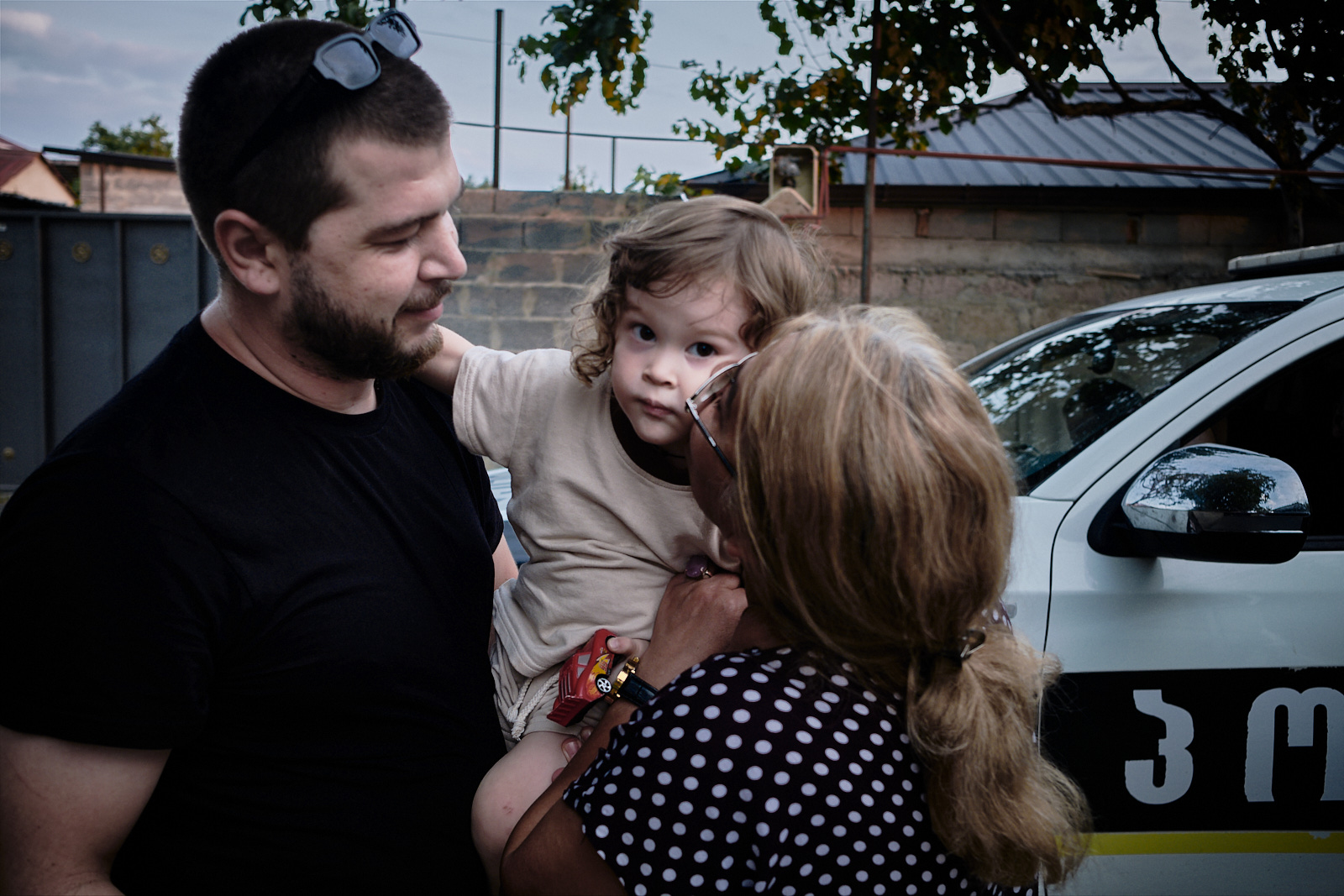
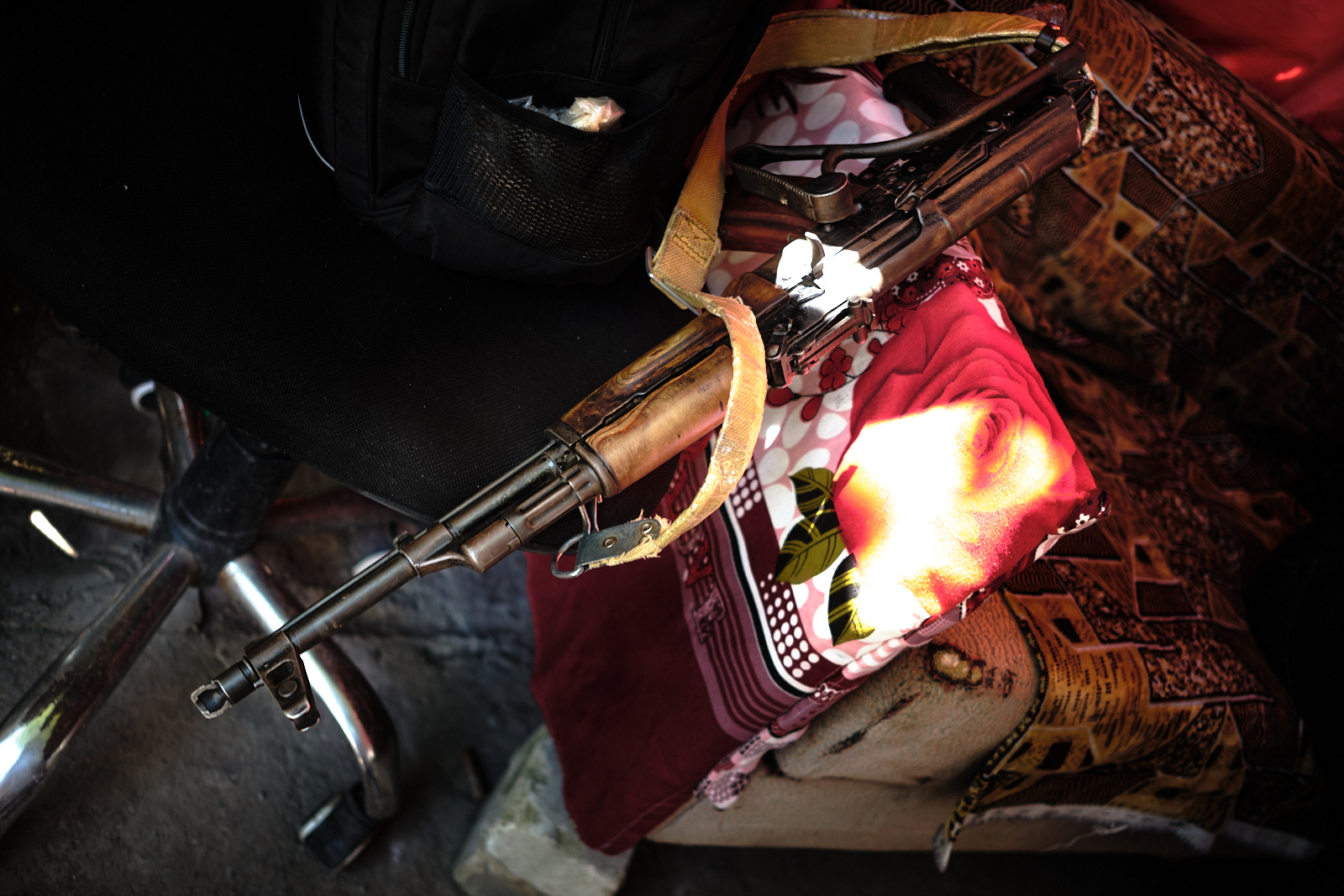
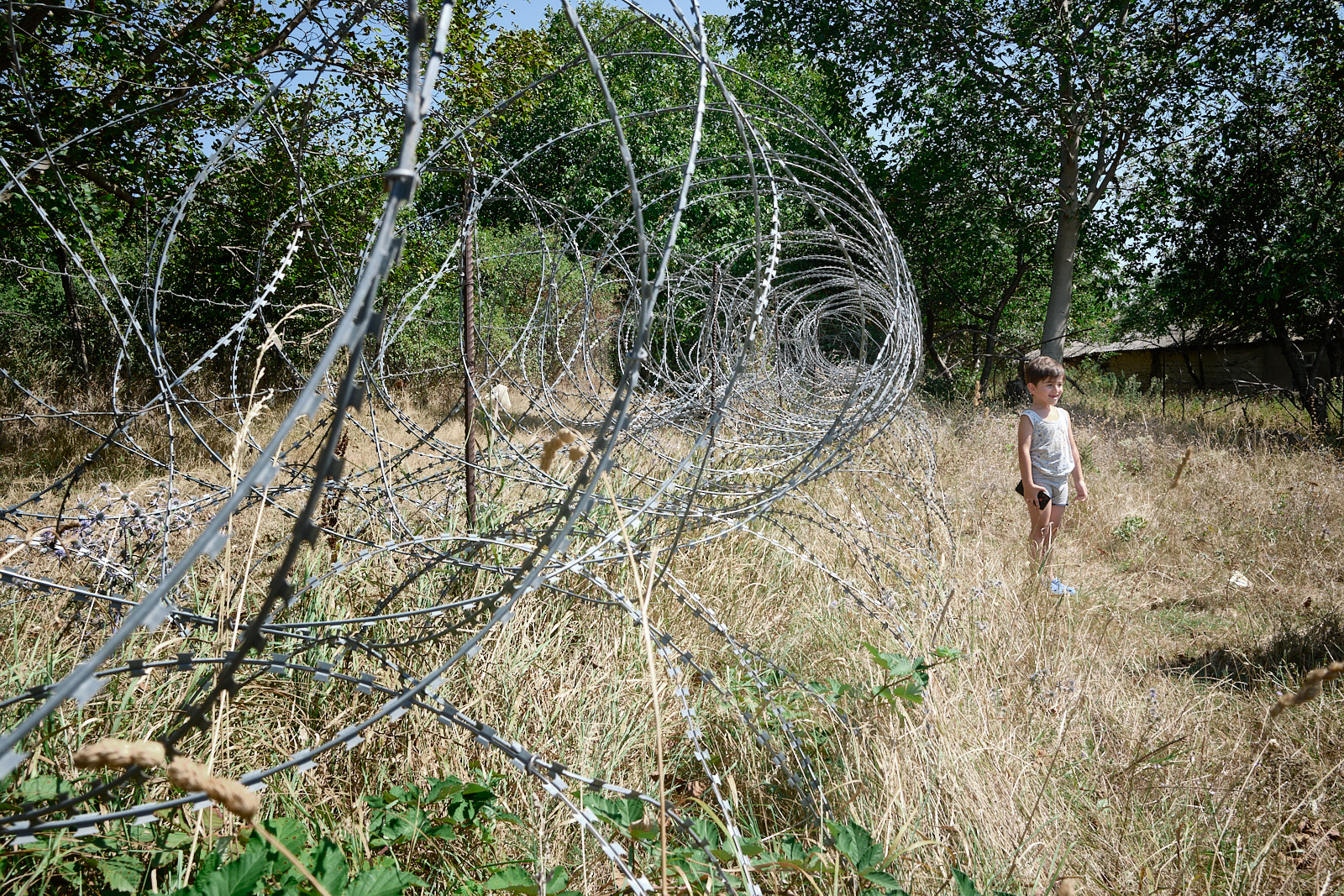
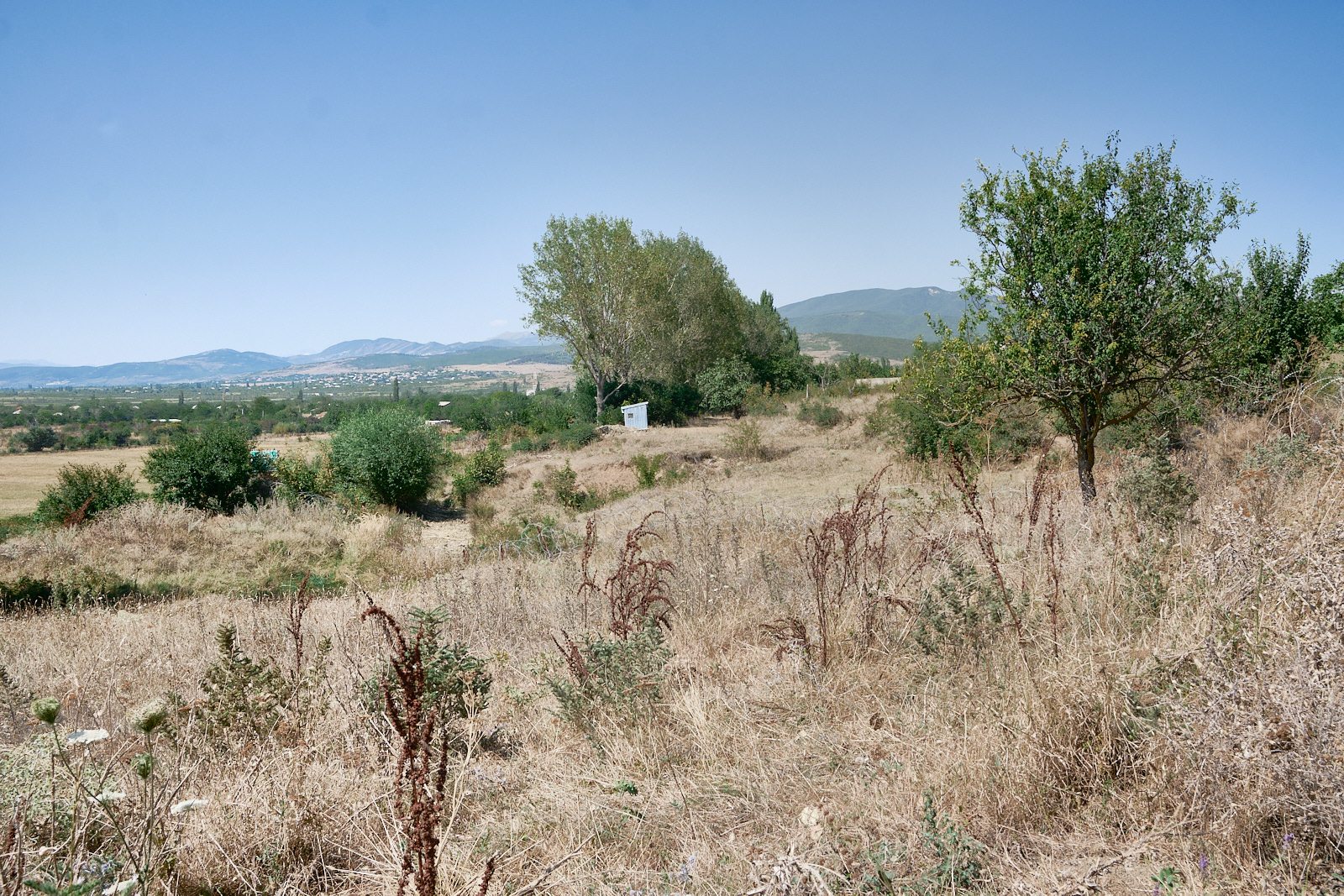
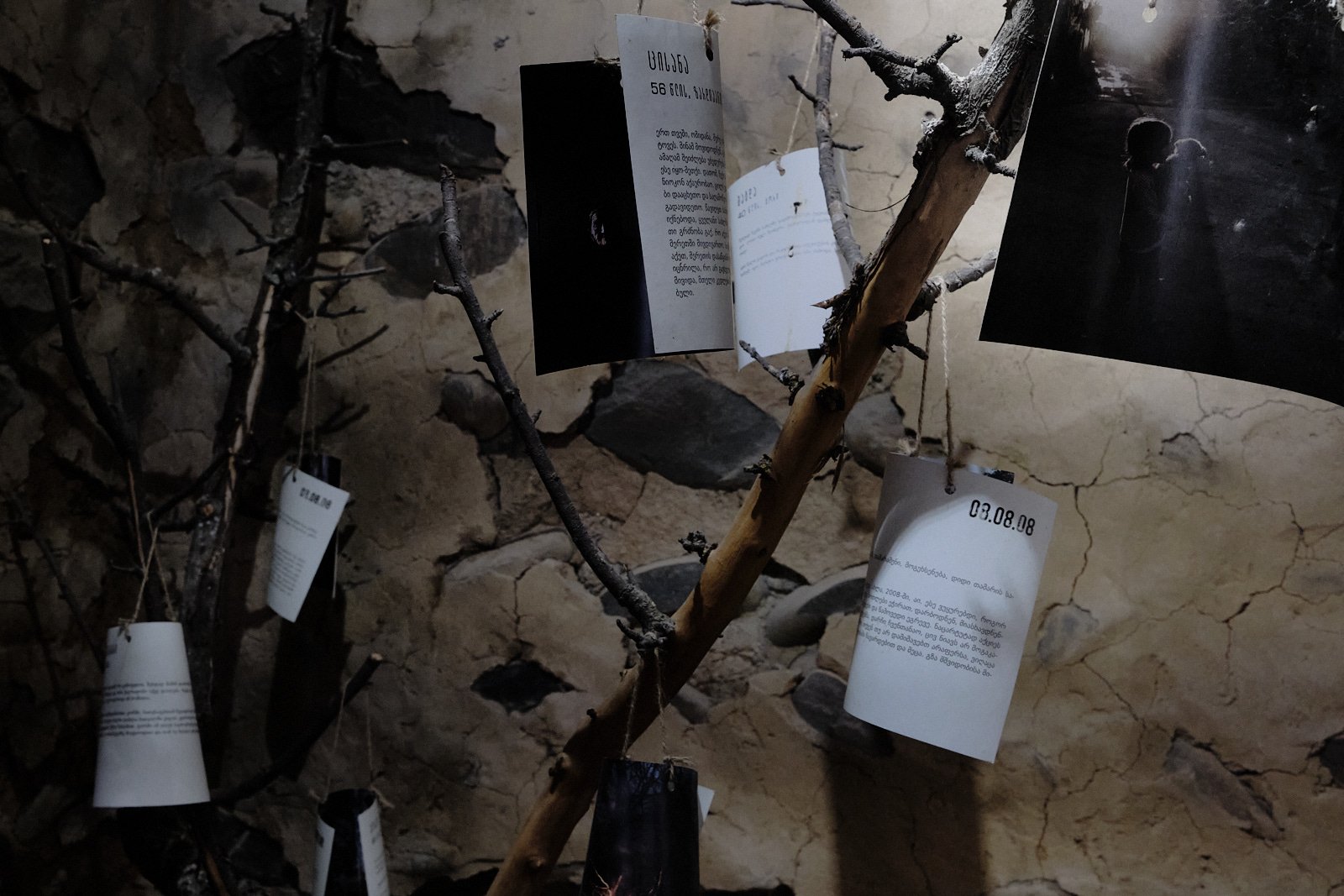
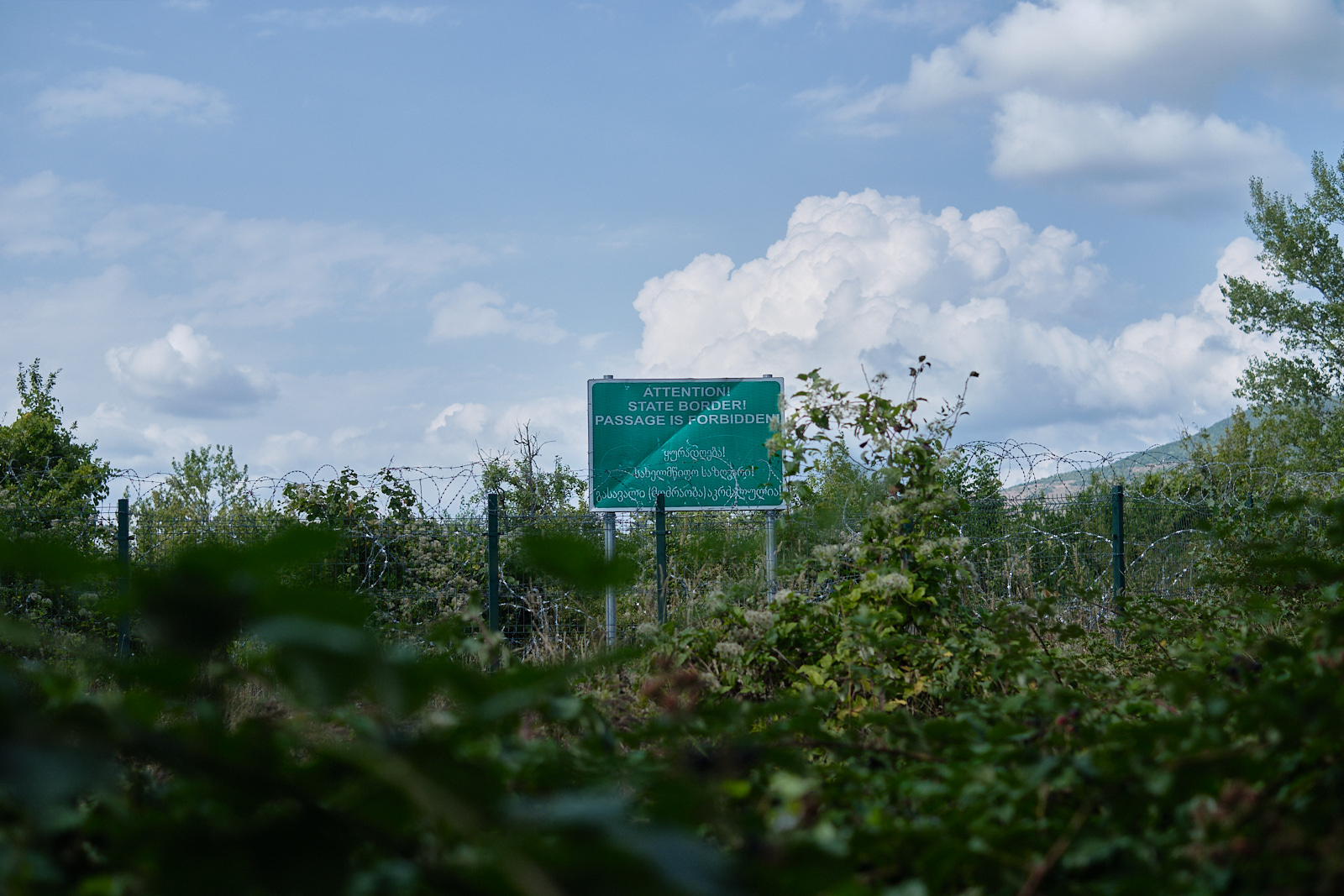
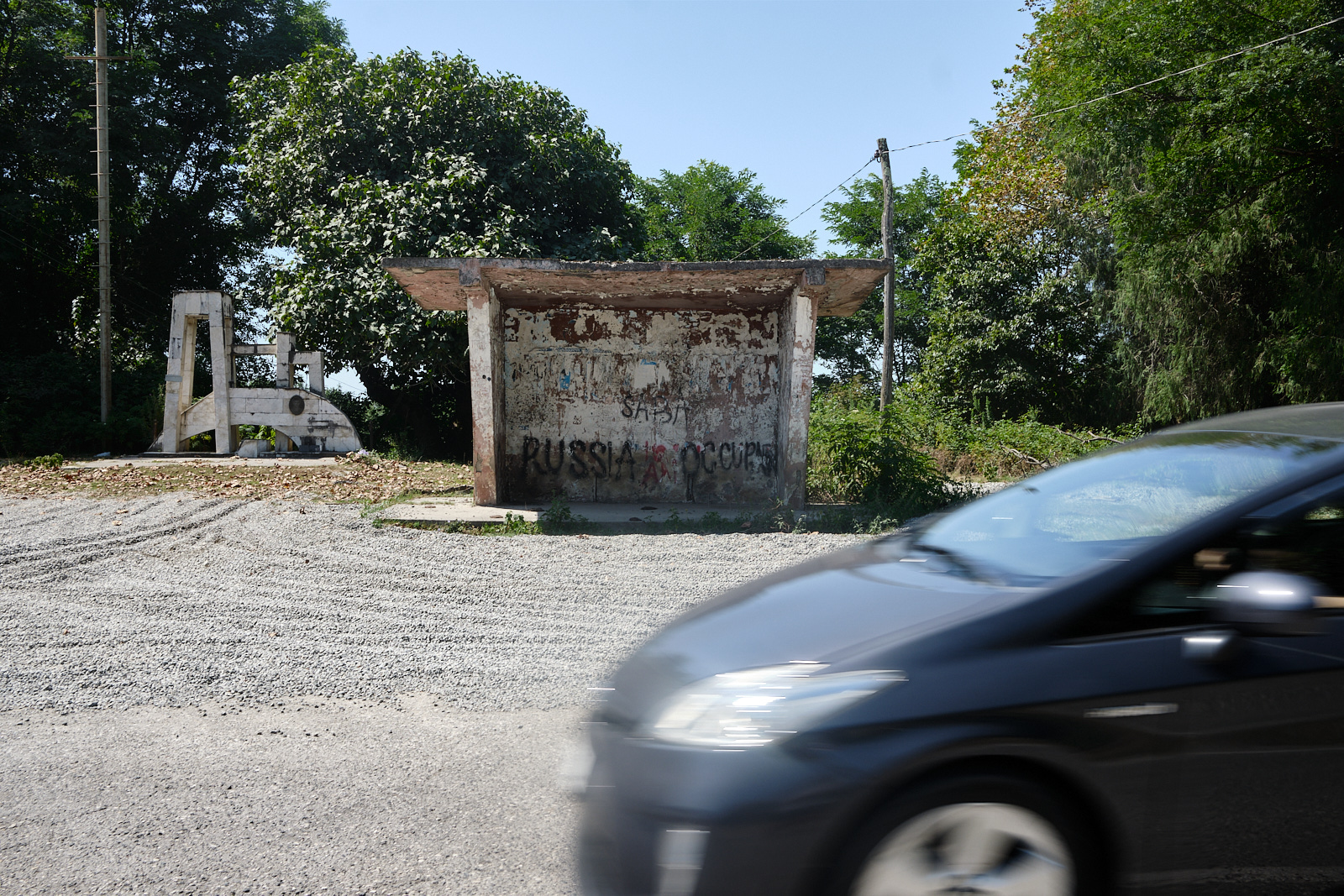
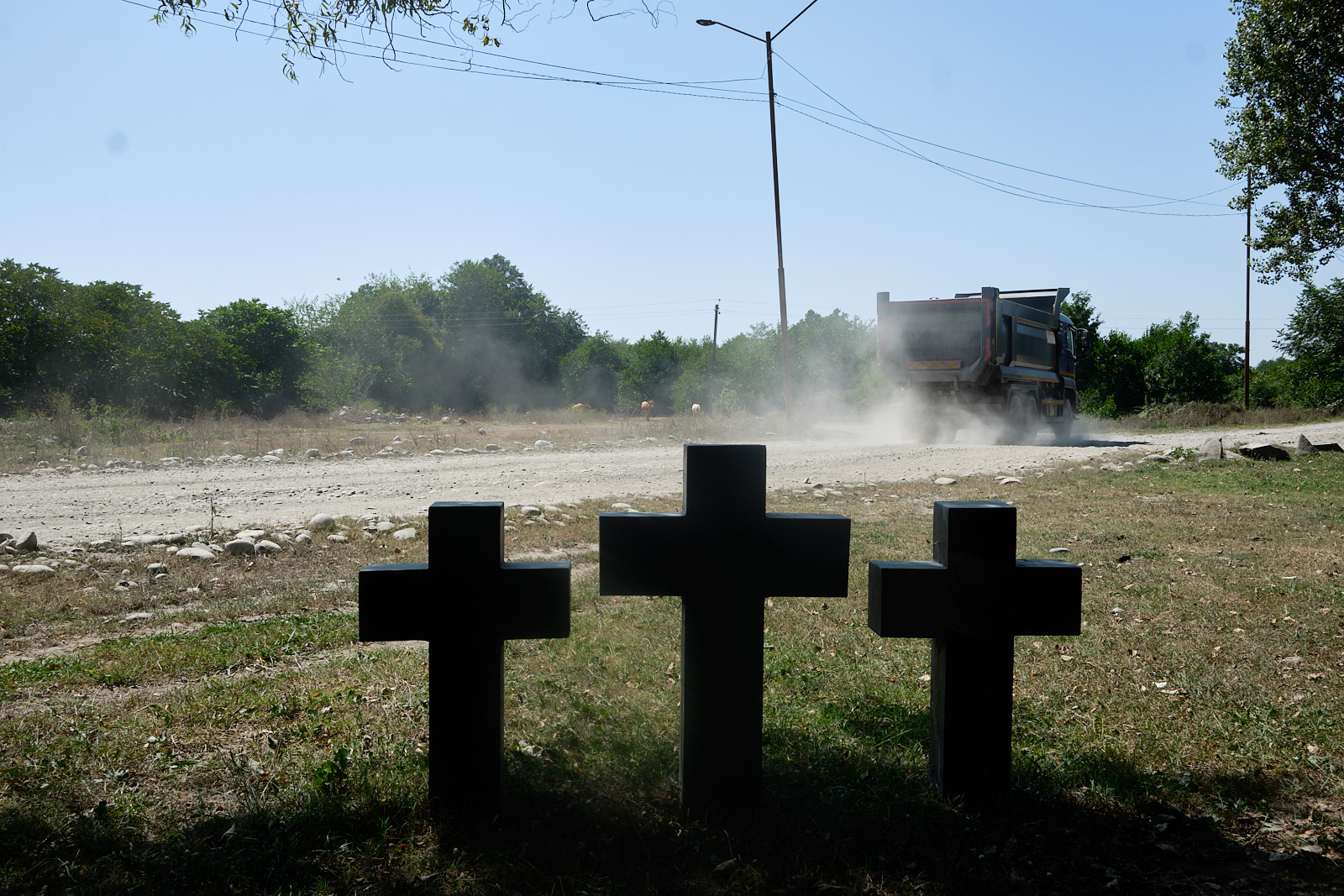
The consequences of this political shift are felt well beyond the capital, particularly along the de facto borders with Abkhazia and South Ossetia. Here, a slow and largely invisible conflict continues through the process known as “borderization,” as fences, barbed wire and surveillance posts advance metre by metre into Georgian-controlled territory. Fields, forests, roads and even family homes are gradually absorbed into the occupied zones, while residents risk detention for crossing lines that remain legally undefined but strictly enforced. These dynamics reflect the logic of a hybrid conflict, strengthened by increased Russian military presence and by the paralysis of diplomatic mechanisms established after the 2008 ceasefire. At the same time, economic and social pressures inside the separatist regions themselves are reshaping daily life, pushing communities into deeper isolation and dependency.
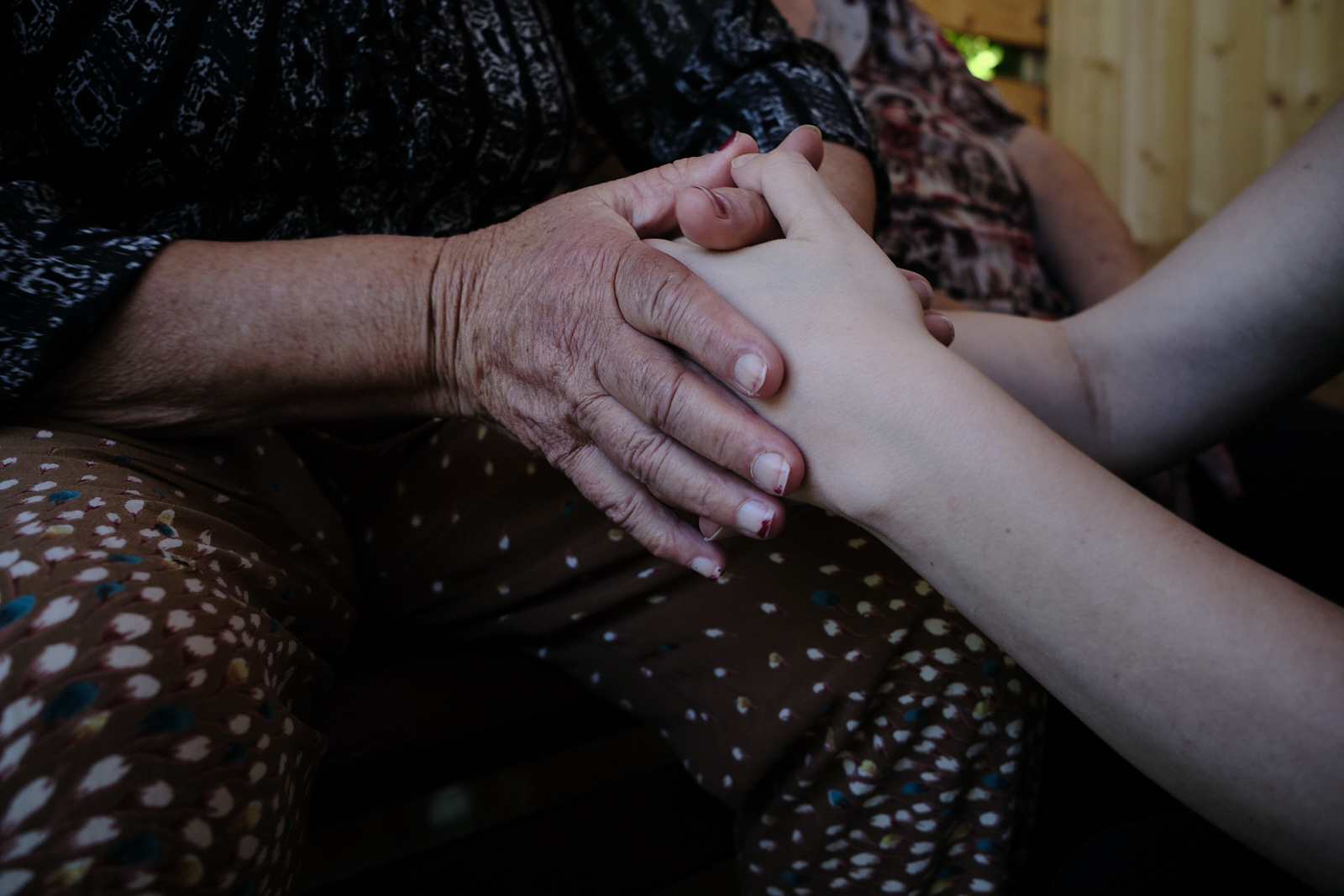
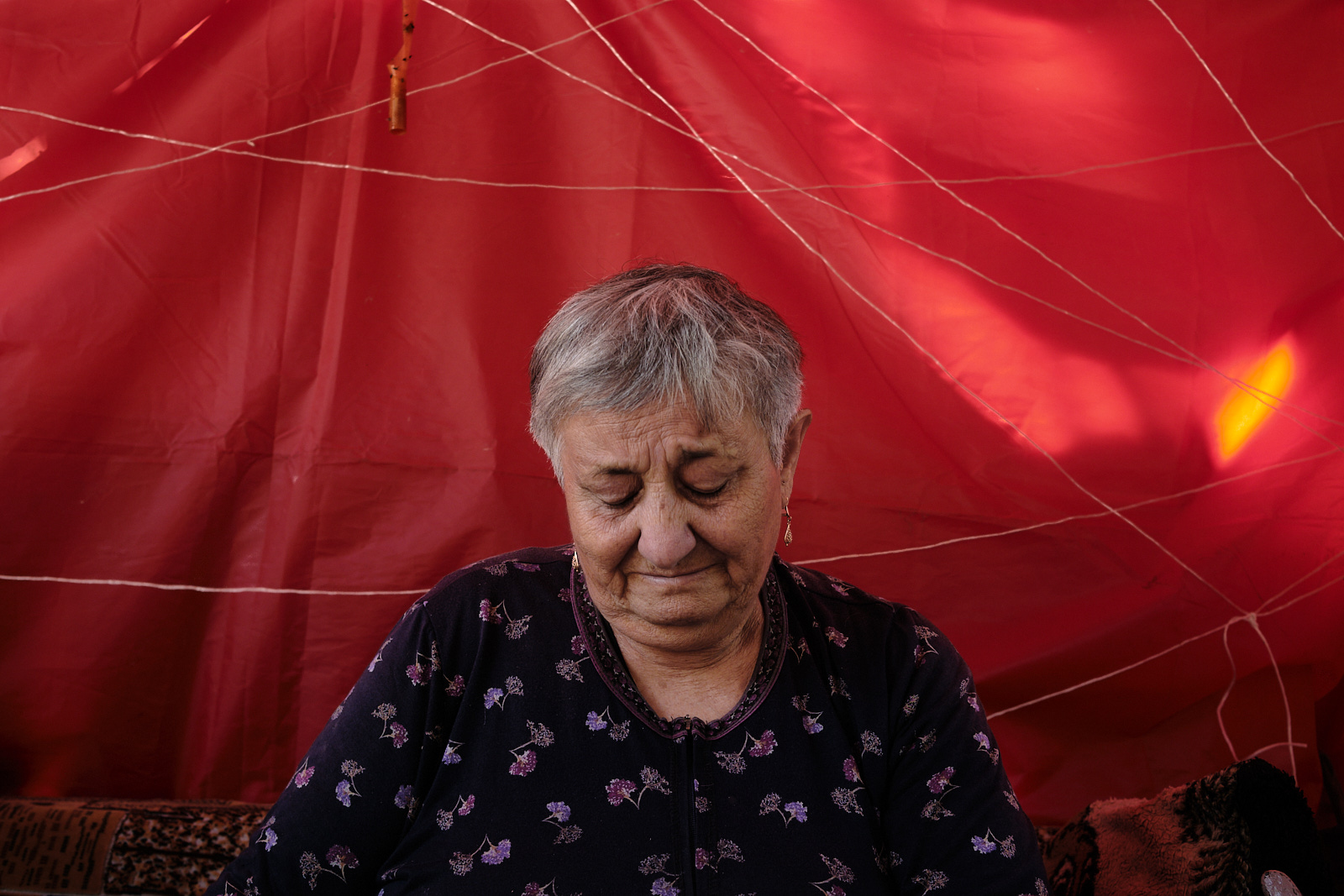
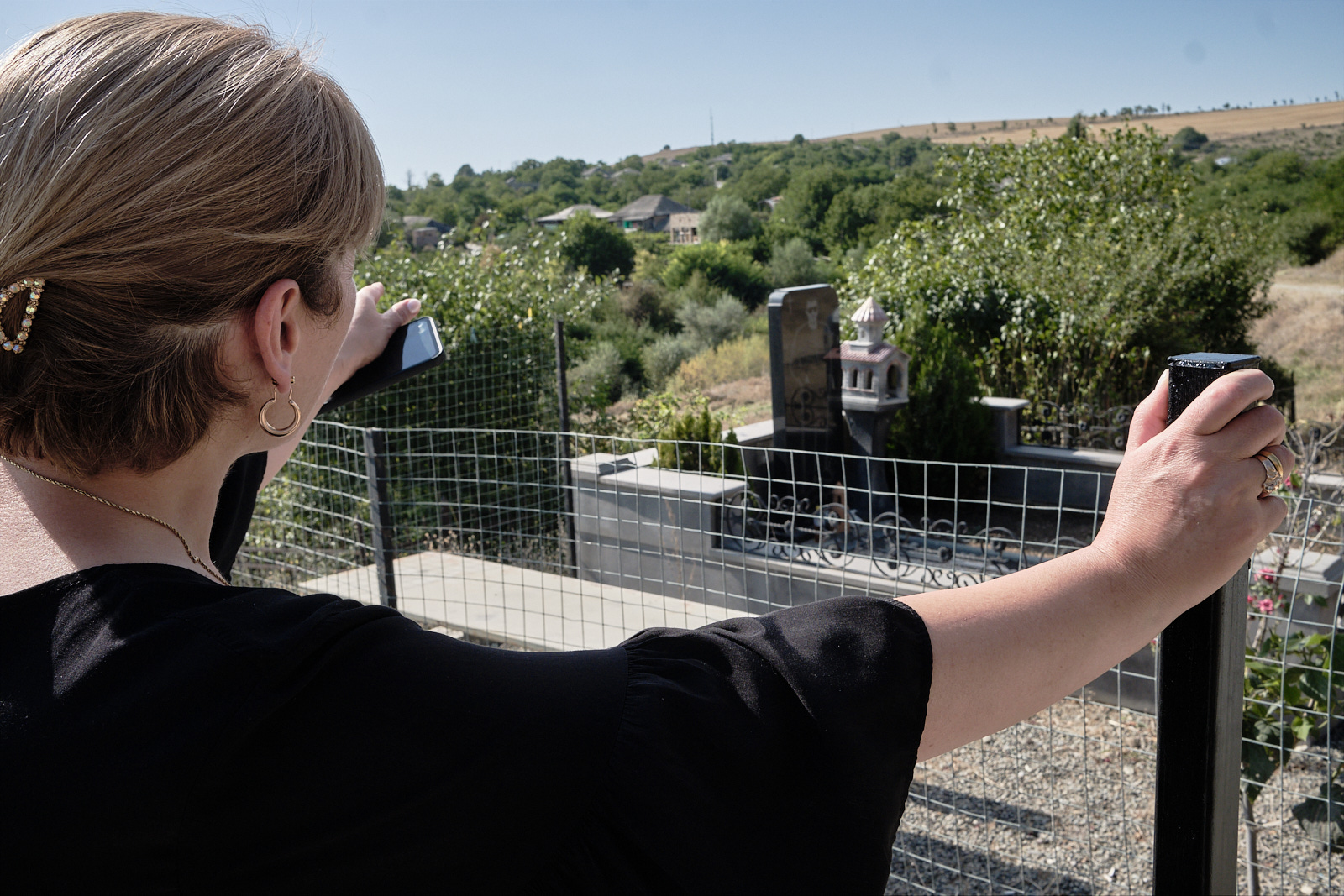
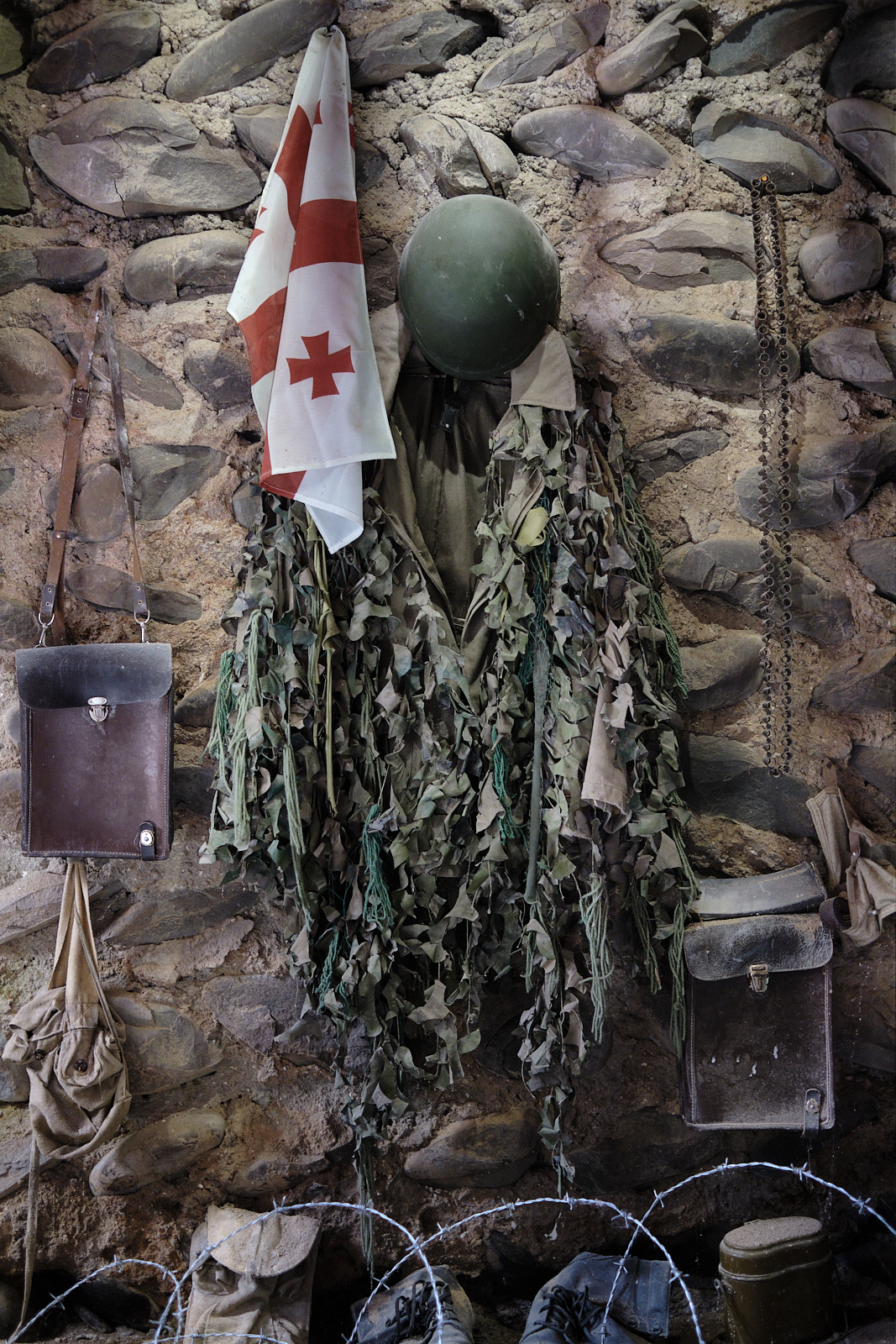
Further north, in remote mountain areas such as Racha, another layer of continuity with the past remains visible. Here, Soviet memory is not only a historical reference but an emotional and political framework that still shapes identity. As historian Irakli Khvadagiani observes, recollections of the late Soviet period are deeply ambivalent: marked by awareness of repression, yet often softened by nostalgia for social stability and collective belonging. Among older generations, this memory continues to nourish nationalist narratives and a tolerance for strong, centralised power, helping to explain why authoritarian models retain social legitimacy even as democratic institutions weaken.
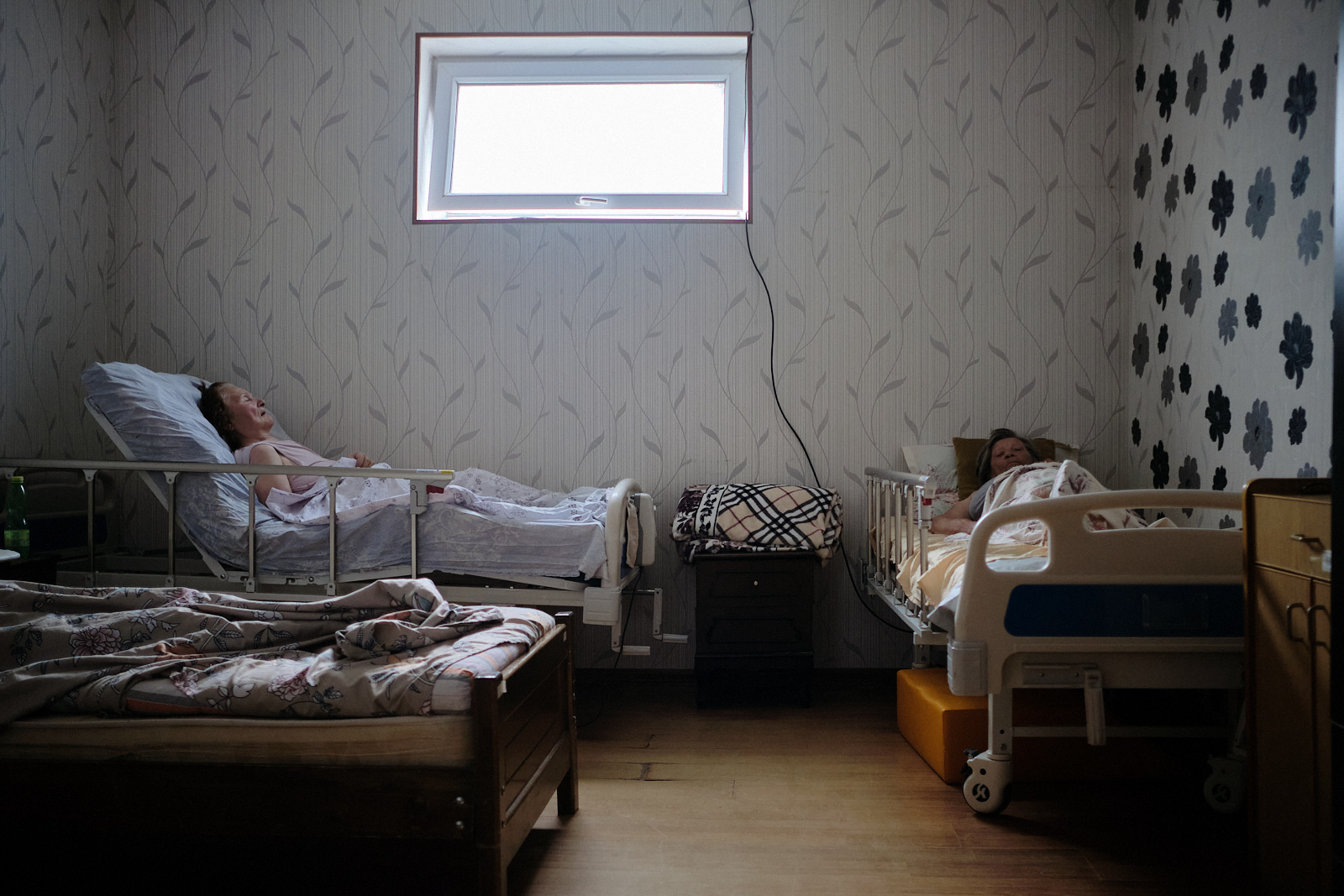
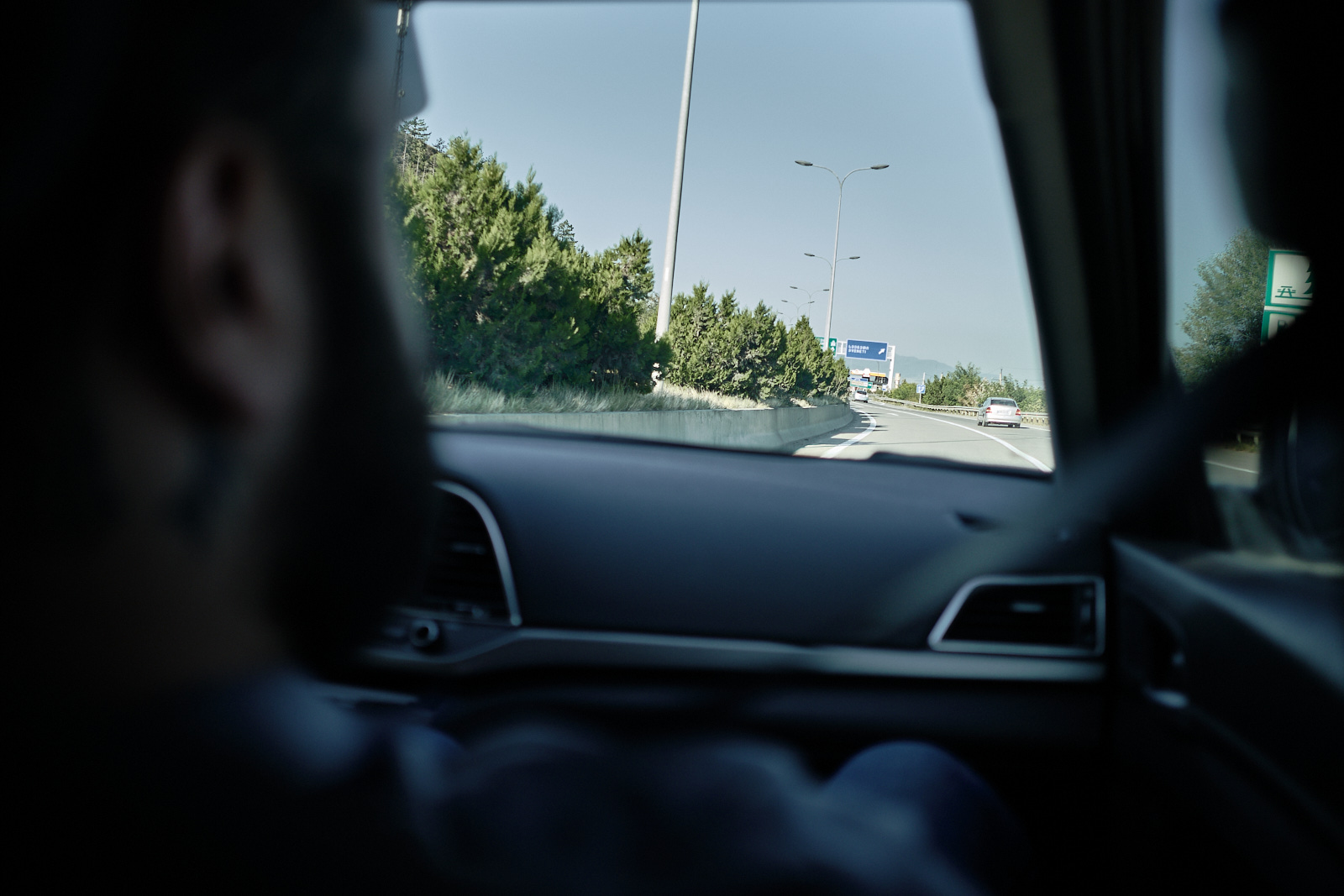
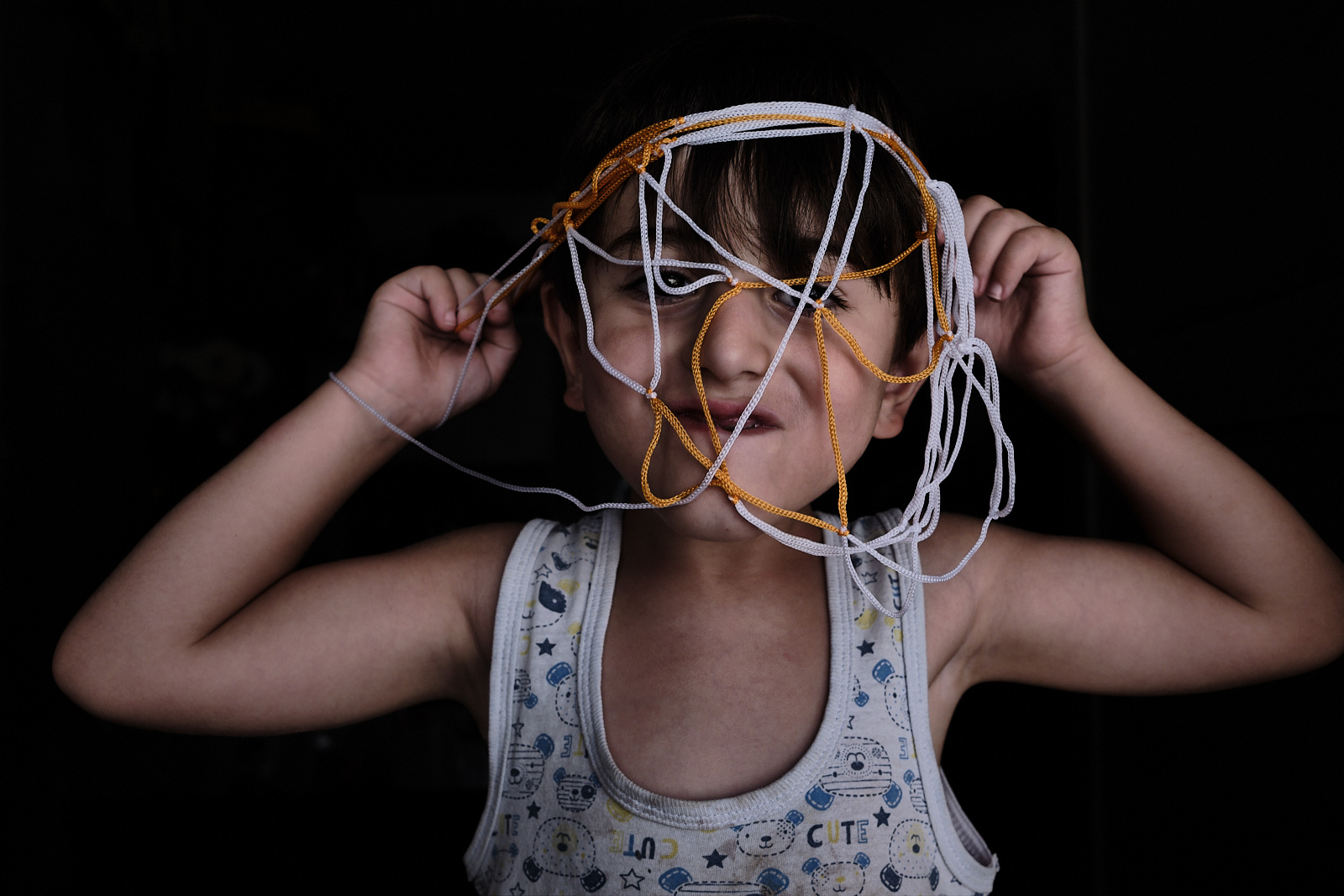
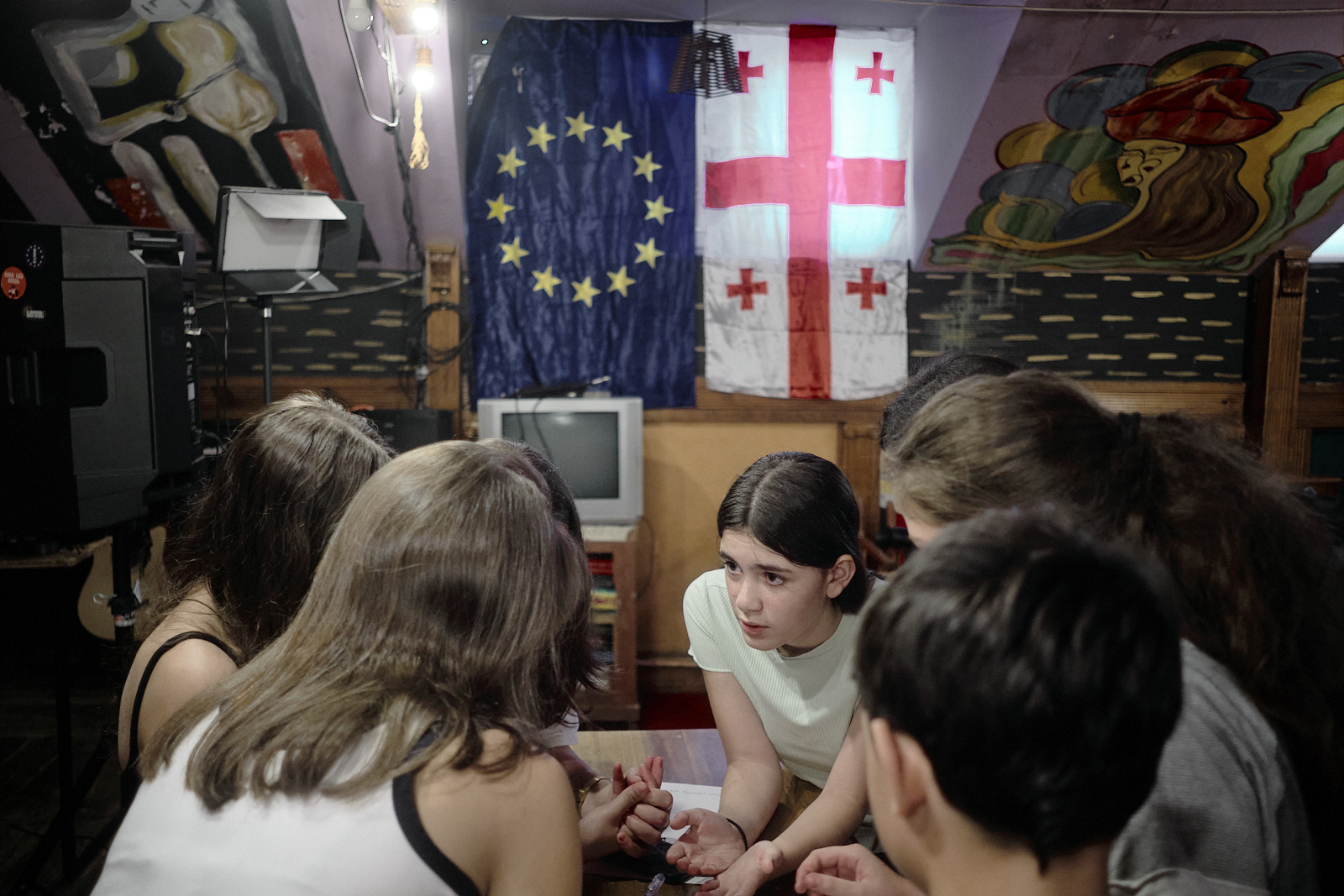
Across cities, borderlands and isolated mountain regions, political change is experienced not only through laws and elections, but through altered routines, shrinking spaces and shifting loyalties. The tension between European aspirations and post-Soviet legacies runs through everyday life, shaping how people occupy streets, cross fields, remember the past and imagine what kind of country Georgia can still become.