Living on the edge
Resilience and reconstruction of Amazigh villages in post-earthquake Morocco
High Atlas, Morocco
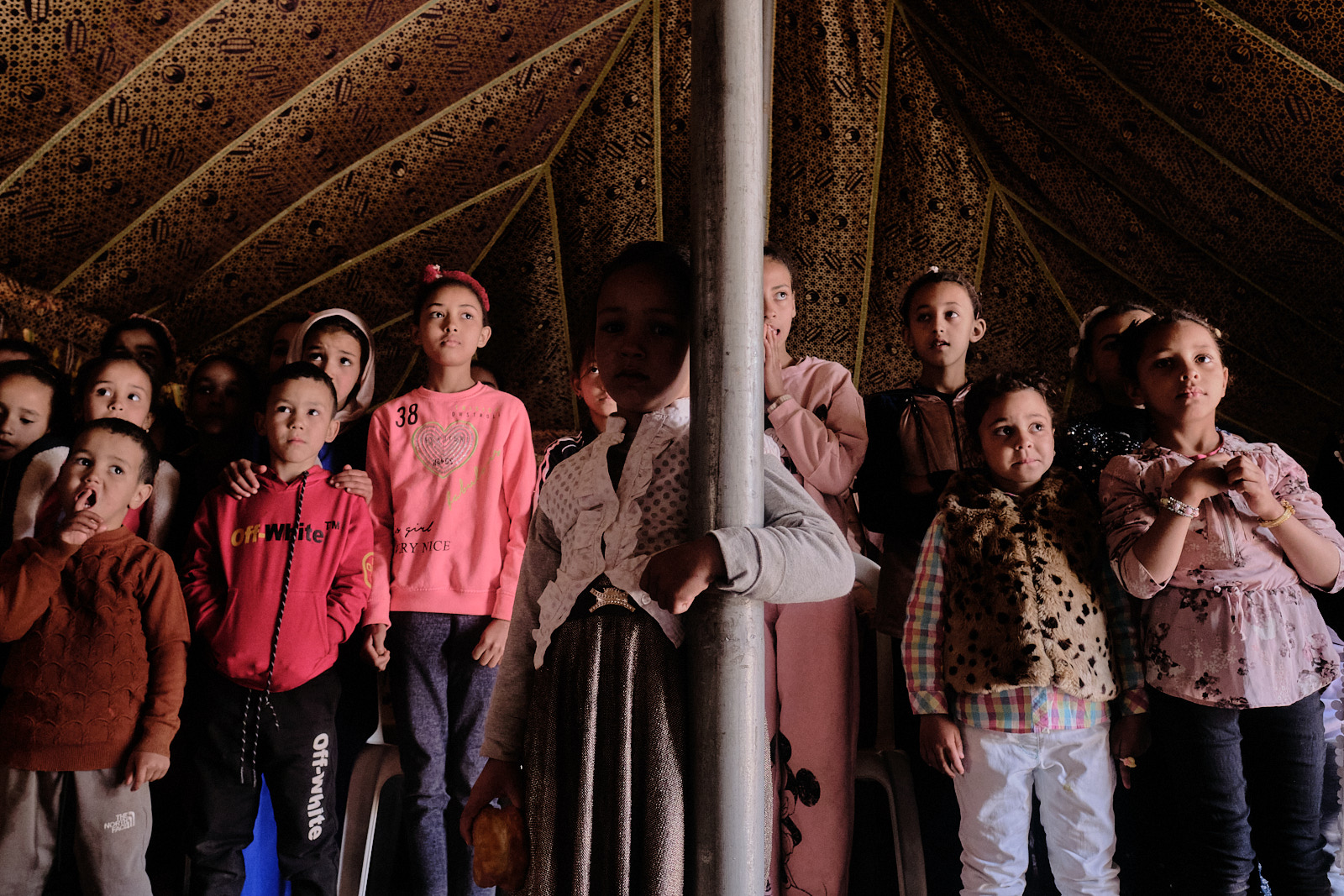
On September 8, 2023, Morocco was struck by its most powerful earthquake in more than sixty years. Nearly 3,000 people were killed, thousands injured, and entire villages in the High Atlas Mountains were reduced to rubble. While cities such as Marrakech show visible signs of recovery, many Amazigh communities in the mountain regions are still living in tents, without access to electricity, running water, or basic healthcare, nearly two years after the disaster.
The Moroccan government announced a five-year reconstruction plan worth 120 billion dirhams (around $12 billion), including monthly stipends for displaced families. Authorities framed the initiative as an opportunity not only to repair damage, but also to bring long-promised development to a region historically neglected in favour of tourist centres and the coastal belt. Yet official figures tell a different story: after two years, only around 11 percent of damaged homes have received reconstruction work, and monthly subsidies—reaching roughly 20,000 families—have been suspended.
These gaps have fuelled growing frustration. Protests have spread through towns such as Amizmiz and Talat N’Yacoub, accompanied by arrests of activists and volunteers who publicly criticised the handling of the emergency. Human rights organisations have raised concerns over the repression of dissent and the lack of transparency in aid distribution. The reconstruction appears slow, opaque, and constrained by multiple factors: the geographical isolation of mountain villages, shortages of technical personnel, and the challenge of designing buildings suited to a complex environmental and cultural landscape.
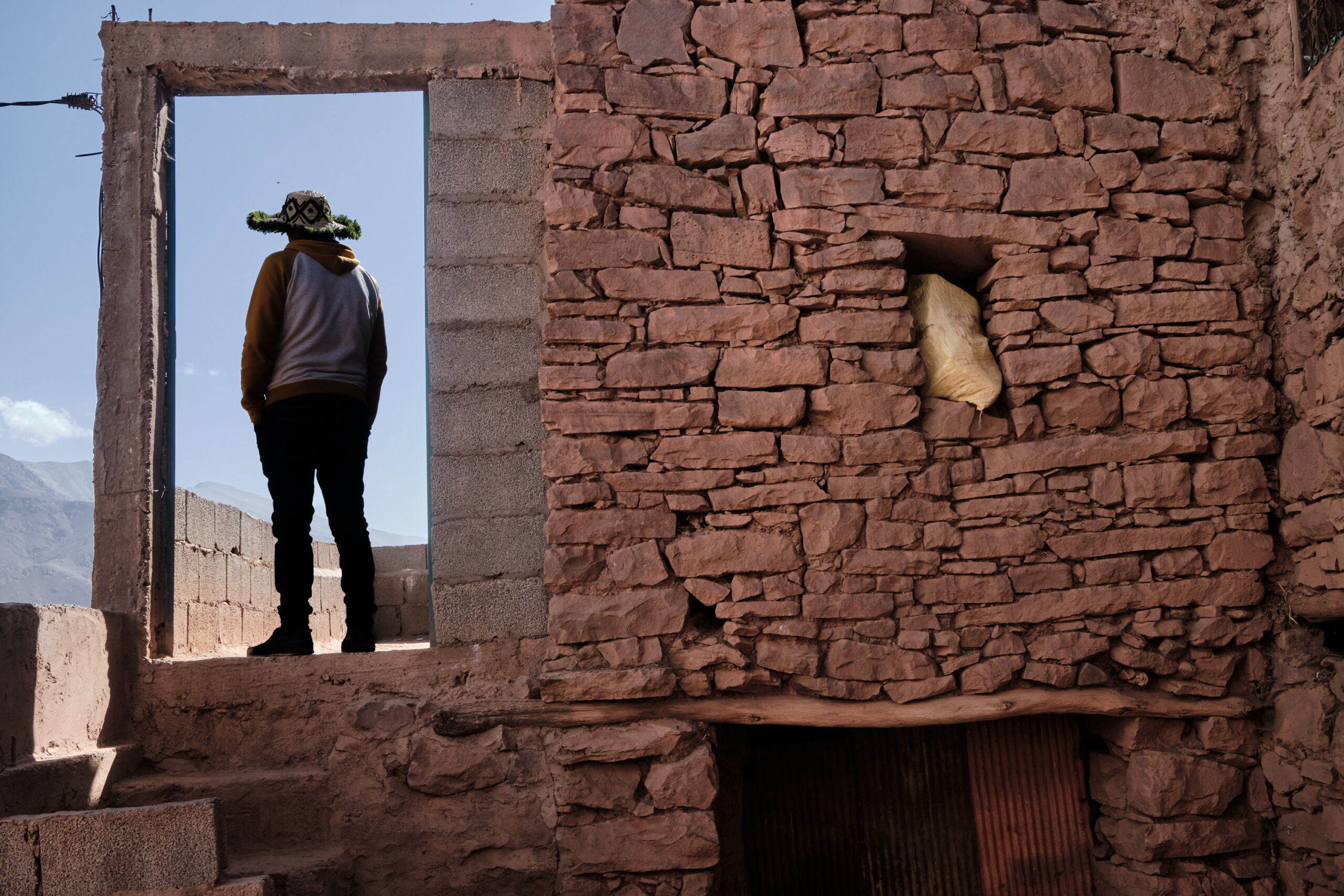
Amazigh villages preserve millennia-old construction techniques shaped by extreme temperatures, strong winds, steep slopes, and high plateaus—an architectural heritage recognised by UNESCO. Vernacular architecture relies on local materials, reducing logistical constraints and adapting naturally to the terrain. Despite this, traditional methods remain marginal in official reconstruction policies, often dismissed as outdated or unsafe.
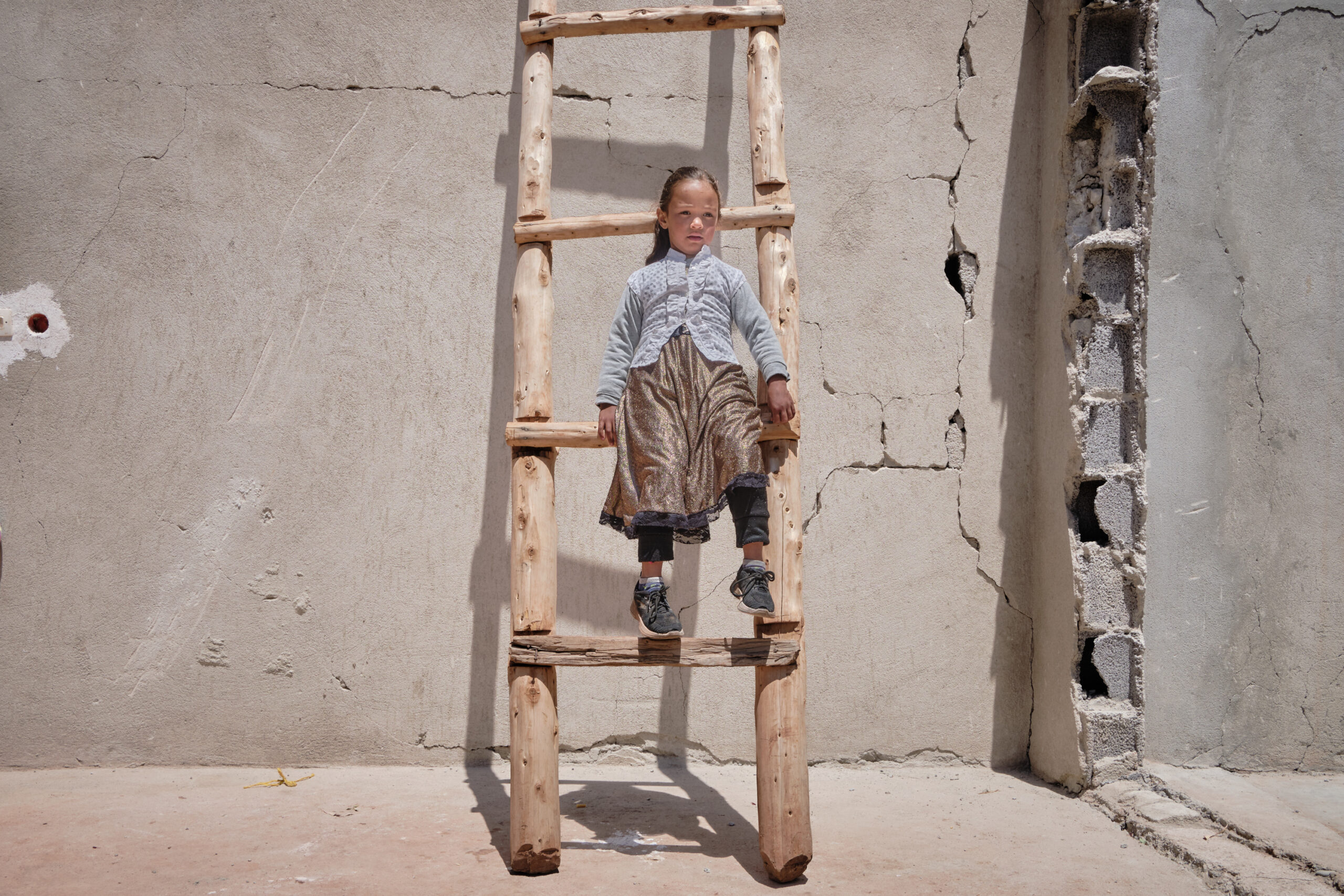
Post-earthquake assessments complicate this narrative. The StEER report highlighted that collapses affected both earthen houses and reinforced-concrete buildings, exposing predictable failures: poor foundations, inadequate design, lack of maintenance, and materials unsuited to local geology. No material, the findings suggest, is inherently safe. What matters is how buildings are designed, built, maintained, and adapted to their environment. In this context, traditional materials—when integrated with modern anti-seismic principles such as structural flexibility and reinforced masonry—can offer effective protection in mountainous terrain.
In many areas, reconstruction is advancing through residents’ own initiatives. Some adopt concrete structures despite unstable slopes; others rebuild using traditional techniques and locally sourced materials. In the Ourika Valley, communities are combining vernacular knowledge with updated seismic standards to construct homes, schools, and public spaces. These bottom-up efforts reveal a central tension shaping the post-earthquake landscape: between standardised, top-down solutions and forms of reconstruction rooted in local knowledge, participation, and long-term resilience.